
REVIEW · WALKING TOURS
Evening One-Hour Walking Tour: Battle In the Streets
Street fighting feels close tonight. I love the small-group pace and the focus on hospital sites and the people who tried to survive. The one drawback to plan for is the time limit, you cover the streets, but you do not get a full, whole-battle overview.
You start in front of the Gettysburg Hotel at 6:00 p.m. and follow a Gettysburg Licensed Town Guide through the streets and alleys where the battle spilled into town. It is also built to be practical for more people, with a wheelchair accessible route and a group size capped at 8.
Key things to know before you go
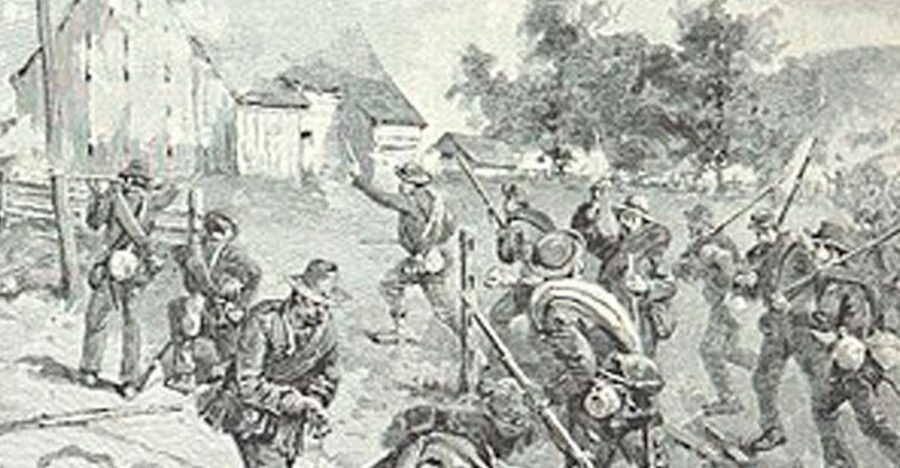
- 6:00 p.m. start time: You get an evening viewpoint on a day of panic, noise, and chaos.
- Small group, max 8: Better questions, better conversation, less crowd pressure on narrow streets.
- Hospital sites on the route: You stop at multiple locations tied to the makeshift medical care.
- Civilians first, soldiers second: The stories track what residents did when fighting reached their blocks.
- Meet in front of the Gettysburg Hotel: Simple start, and you end back where you began.
More walking, less waiting
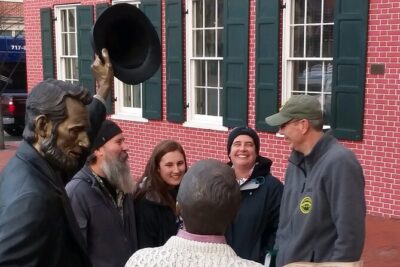
Why this 6:00 p.m. walk hits different in Gettysburg
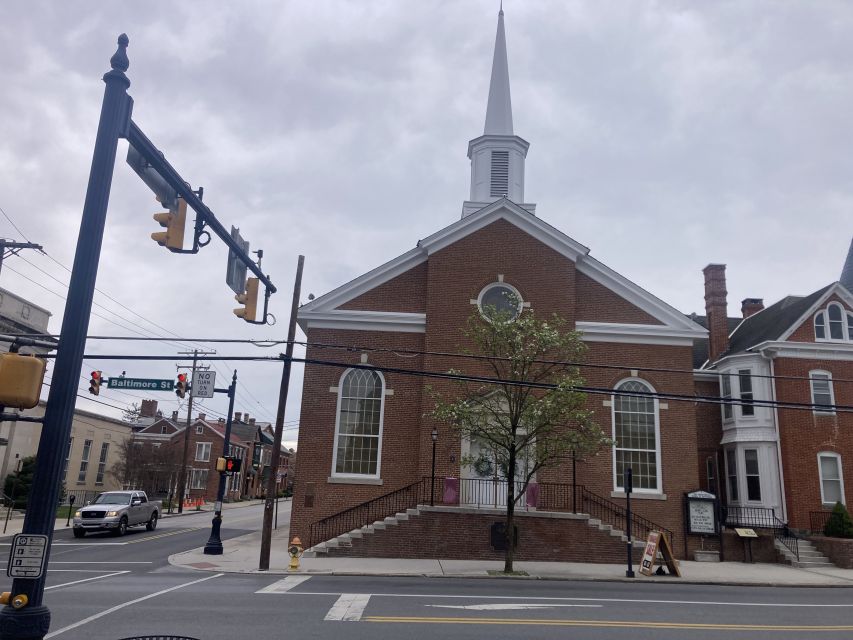
Gettysburg has lots of ways to learn the battle. This one is different because it keeps the action at street level. You are not sitting in a vehicle looking at monuments from a distance. You are walking the kind of terrain that makes a chaotic day feel even more immediate: tight streets, corners, and alleys where sound carries and choices are limited.
I like that the tour explains how the fighting moved into town. It starts with civilians hearing the sounds of combat on July 1, and then later that afternoon it becomes town-scale, with Union troops running and Confederates close behind. That shift matters. It is the difference between hearing something far away and realizing it is about to be in your front yard.
The evening timing also helps you appreciate the human scale of the story. Darkness changes how you notice details like footsteps, pacing, and the tension in someone’s voice while they explain what happened. You will come away with a stronger sense of what it felt like to be inside Gettysburg while the battle pressed closer.
Meeting in front of the Gettysburg Hotel, and what to expect from the group
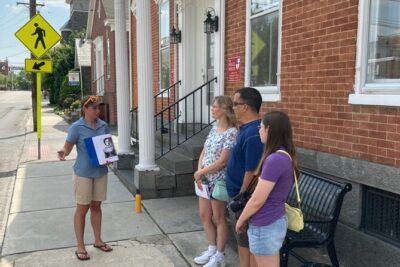
You meet your guide in front of the Gettysburg Hotel, and it is pretty easy to identify the right person. The guide wears a blue shirt with a logo patch on the left sleeve, and light brown pants. That matters because you can get moving fast, no fumbling.
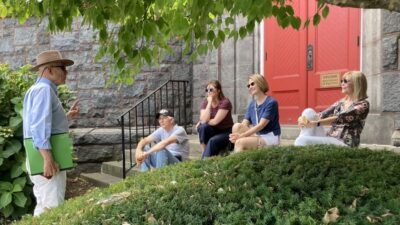
The group stays small, limited to 8 participants. In practice, this usually means you can hear the guide without straining and you are less likely to get lost in a crowd. It also gives you a better chance to ask questions when something clicks, like how civilians handled the sudden flood of wounded.
This is also a live, English-language walking tour, and it runs for one hour. That short duration is a blessing if you want your learning session to be focused and not a half-day project. It can also be a limitation if you want every last detail of troop movements or military strategy. Think of it as street-level storytelling, not a full battle seminar.
Following the day’s chaos: from morning sounds to afternoon fighting in town
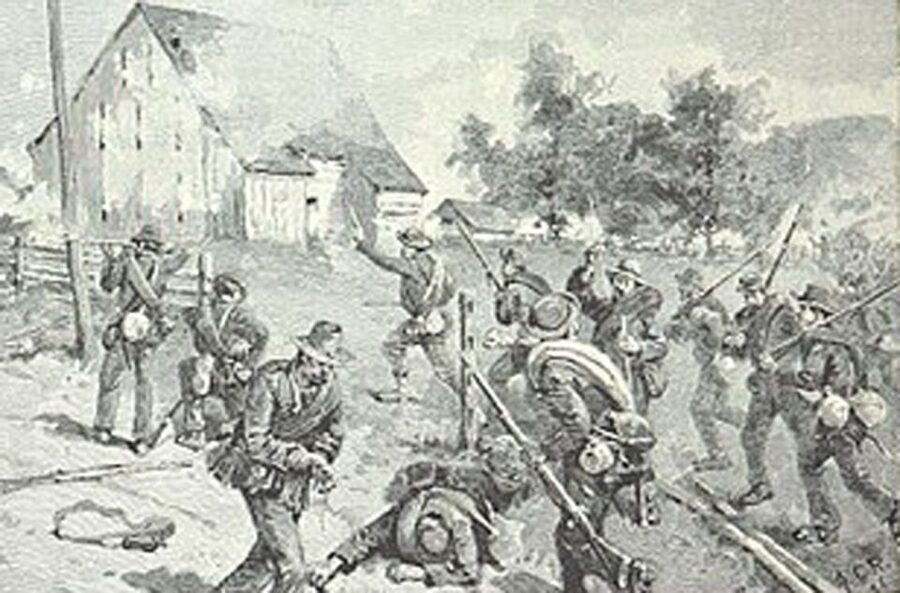
As you walk, you track the battle’s spillover into the town itself. The guide frames the morning as the first warning, when residents heard combat sounds but may not have understood yet how directly their streets would be affected. Then the afternoon arrives, and the battle becomes something people could see and hear at close range.
You will walk through areas where combat occurred, including the kind of narrow town corridors that would have made movement dangerous and confusing. The tour description emphasizes how Union soldiers ran for their lives with Confederates on their heels. Hearing that phrased plainly makes it feel different from studying battle lines on a map.
Here is what I think you get from this structure. It is not just about what happened, it is about the sequence, what people noticed first, and what changed when the fight finally reached them. That timeline is what helps you understand civilian fear and decision-making. When fighting expands to town streets, there is no safe boundary. People have to improvise fast.
One practical consideration: it is a one-hour walk, so the pace will be steady. You will see and hear key moments, but you need to be ready to absorb quickly and keep up.
The rest of the after-dark list
- Ghosts of Gettysburg Ultimate Dead of Night Haunted Ghost Tour★ 4.5 · 162 reviews
- Evening Investigation – Small Group Gettysburg★ 5.0 · 144 reviews
- Gettysburg: Beginner’s Evening Paranormal Investigation Tour★ 4.7 · 67 reviews
- Fright Night Investigation – Small Group Gettysburg★ 4.5 · 52 reviews
- Gettysburg: Ultimate Dead of Night Haunted Ghost Tour★ 4.4 · 33 reviews
Hospital sites on the route, and how civilians responded with makeshift care
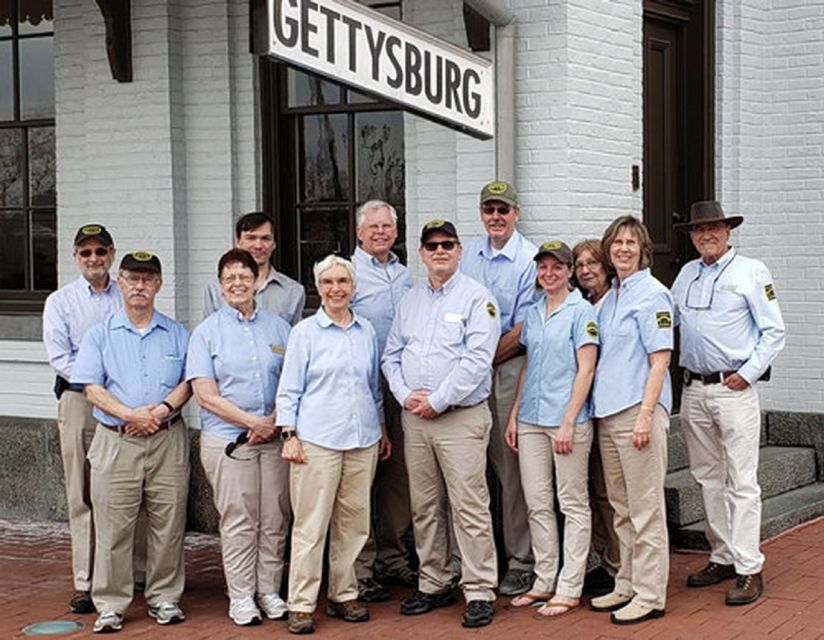
The heart of this tour is the way it connects streets to medical crisis. Your guide stops in front of many hospital sites and shares stories about soldiers and civilians. Instead of treating these sites as plaques, the tour brings them into the story as places where people had to act under pressure.
The tour explains that many civilians initially hid in cellars when fighting came into town. That detail is important because it shows how quickly daily life breaks down. Cellars were not a history lesson, they were a survival move. Then, as the situation worsened, many residents emerged to help the hundreds of wounded in makeshift hospitals around town.
This is where the tour earns its popularity. Gettysburg’s battle is famous. But the story of survival support often gets reduced to a footnote. Here, you get the human work: people finding ways to help when formal systems were overwhelmed. The guide’s vivid storytelling helps you picture the scale of injuries and the urgency of caring for them.
You also get a sense of why these stops matter. A hospital site is not just a location. It is a clue to how civilians reorganized their homes and community spaces in a crisis. Seeing multiple such stops on foot gives you a broader picture of how widespread the medical need was, not just one famous building.
How the guide storytelling stays practical, not just dramatic
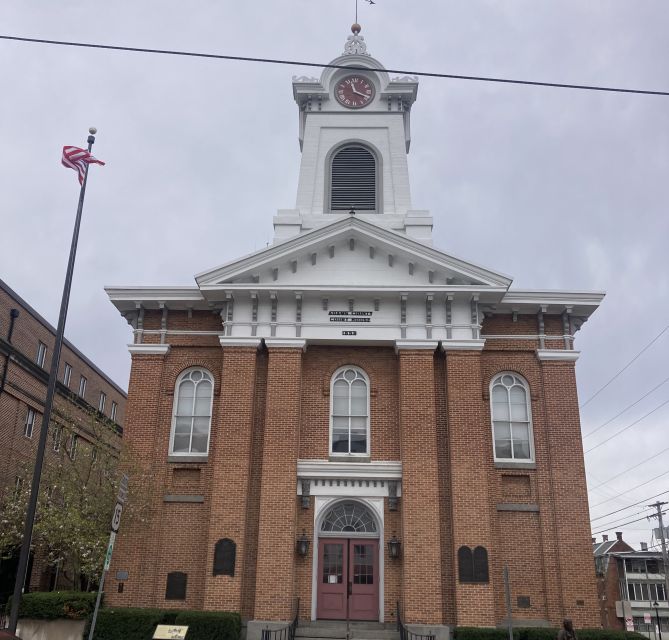
The best street tours do one thing well: they turn locations into meaning. This one is built around a Gettysburg Licensed Town Guide who tells the stories of the townspeople and soldiers tied to what you are walking past.
You should expect stops with explanations that connect the fighting to the people caught in it. The tour focuses on what civilians endured during and after the Battle of Gettysburg, including the immediate shock of combat reaching town, and then the aftermath work of assisting wounded.
What I like, based on what people say about the experience, is the guide style. The tour descriptions and high ratings point to engaging delivery and a guide who handles questions well. One guest mentioned Jerry by name and described him as very personable, which is exactly the kind of quality that makes a short tour feel satisfying instead of rushed.
Also, since it is limited to 8 people, you are less likely to feel like you are watching history through a wall of other heads. You can listen, react, and ask when something sparks interest.
The one consideration is also straightforward. Because this is a one-hour walk, the guide has to choose. You get strong coverage of street fighting and the hospital locations, but you will not leave with every tactical detail of Day 1.
What you actually cover in an hour, stop by stop (without the fluff)
Even without street names listed here, you can think of the tour as four phases.
Phase one: start and orientation outside the Gettysburg Hotel. You begin in front of the hotel where your guide sets the tone and frames what you will be noticing on the walk. This is the moment to ask any broad questions you have about where the battle fits into the larger Gettysburg story.
Phase two: street-level movement tied to July 1. As you head into the town’s lanes and streets, the guide connects the day’s sounds and the later afternoon fighting to what you are seeing around you. Expect your attention to be drawn to the narrowness and layout of the town, since that helps explain why combat would feel so trapped and immediate.
Phase three: hospital-site stops. This is where you slow down at multiple locations. Your guide stops in front of many of the hospital sites and tells stories of soldiers and civilians connected to those places. The goal is not just name-dropping, it is helping you understand the crisis pattern: wounded overwhelm the town, and civilians step in.
Phase four: civilian stories and the aftermath feel. The tour returns to the theme of what residents did when fighting arrived, starting with hiding in cellars and then shifting to helping in makeshift hospitals. That arc gives you closure for the hour, a sense of how quickly fear turned into action.
Then you end back at the meeting point. That loop is useful when you want to keep your evening plans simple. It also makes it easier to pace your whole day in Gettysburg, because you know exactly where you will be at the end.
Price and value: is $25 worth one hour?
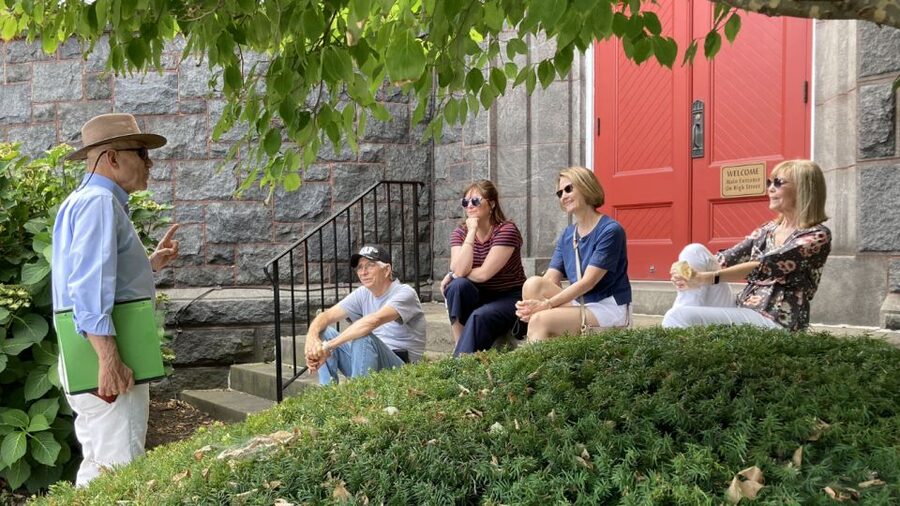
At $25 per person for a one-hour walking tour, the value comes from focus and access, not duration. You are paying for a licensed guide, a structured route through meaningful locations, and story time that connects street fighting to what happened to civilians and the wounded.
Here is why that can be good value for many people:
- Small group format means you get more human interaction than big-group tours.
- Hospital site stops mean you are not just hearing generic history, you are seeing places the guide ties directly to the crisis.
- One hour means you get a strong hit of story without committing your entire evening.
If you are the type who wants to spend hours covering everything about July 1, you may feel the time is too tight. But if you want an evening walk that gives you street-level understanding and points you toward what to explore later on your own, $25 usually feels fair.
I also like that there is an option listed as reserve now & pay later and that cancellation is free up to 24 hours in advance. That kind of flexibility matters when weather or schedules shift, especially for evening plans.
Who should book this tour, and who might want another option
This tour is a strong fit if you:
- want the Battle of Gettysburg explained in a way that connects to real streets and town life
- like interactive listening, with room for questions in a small group
- want a short, focused evening activity that keeps your day moving
It can be less ideal if you:
- want the most detailed military breakdown of Day 1 and troop movements
- prefer vehicle-based routes when walking at night feels like a hassle
- need lots of time to stop, rest, and read on your own, because it is built as a one-hour walking experience
A nice detail here is the wheelchair accessible note. If mobility is a concern for your group, you can confirm suitability directly with the operator, but the tour is presented as wheelchair accessible. That is a helpful signal compared to many other walking-heavy tours.
Should you book Battle In the Streets?
I would book it if you want a night-time Gettysburg experience that feels specific, human, and grounded in what happened in town, not just on paper. The combination of small-group pacing, hospital site stops, and civilian-focused storytelling is exactly what makes a one-hour walk worth your attention.
If you are pairing tours, use this as your street-level primer. It gives you the emotions and the context you can then carry into a longer, deeper exploration of the battlefield. If you only have one evening in Gettysburg and you want it to count, this is a solid choice.
Just go in with the right expectation: you are getting one hour of street action and makeshift hospital stories, not the full battle encyclopedia. If that matches your travel style, you are likely to walk away feeling like you finally understood what it meant for Gettysburg to be part of the fight.
FAQ
How long is the Evening One-Hour Walking Tour: Battle In the Streets?
The tour lasts 1 hour.
What time does the tour start?
The tour is described as starting at 6:00 p.m. Check availability to see starting times.
Where do I meet the guide?
Meet your guide in front of the Gettysburg Hotel.
Where does the tour end?
The tour ends back at the meeting point, in front of the Gettysburg Hotel.
How many people are in the group?
The group is small, limited to 8 participants.
Is the tour wheelchair accessible?
Yes, this activity is listed as wheelchair accessible.
What is included in the price?
The included item is the one-hour walking tour through the town of Gettysburg, with a live English tour guide.
More Tours in Gettysburg
- 2-Hour Gettysburg Battlefield Guided History Bus Tour with a National Park Guide
★ 4.5 · 2,201 reviews





More Tour Reviews in Gettysburg
- 2-Hour Gettysburg Battlefield Guided History Bus Tour with a National Park Guide
★ 4.5 · 2,201 reviews
More to book around Gettysburg
- 1 Hour Gettysburg Haunted Farm Tour
★ 5.0 · 4 reviews - Wonder Women of Gettysburg Hidden Valor By Junket
★ 4.5 · 7 reviews - Mystery!: A Gettysburg Evening Walking Tour
★ 5.0 · 6 reviews - Secrets of Gettysburg Untold Stories: Beyond the Battlefield Tour
★ 5.0 · 4 reviews - Haunted Smart Phone App Location Aware Walking Tour in Gettysburg
★ 4.5 · 8 reviews - Civil War Battlefields Self-Guided Audio Driving Tour Bundle
★ 4.0 · 5 reviews
Walking Tours, compared.
 ★ 5.0Arlington National Cemetery Walking Tour & Changing of the GuardsFrom $552,566 reviews
 ★ 5.0Ghosts of Georgetown & The Exorcist Steps Walking TourFrom $39610 reviews
 ★ 5.0Georgetown Foodie Culinary Tour & Neighborhood WalkFrom $79437 reviews
 ★ 4.5Gastronomic Georgetown Walking Food TourFrom $84373 reviews
 ★ 4.5Ghosts of D.C. – Walking TourFrom $29344 reviews
 ★ 5.0Historic Georgetown: History, Gossip, & Architecture Walking TourFrom $49321 reviews
 ★ 4.9Gettysburg: 1863 Historic Downtown Walking TourFrom $25306 reviews
 ★ 5.0Smithsonian Museums Walking Tour with Reserved Air & Space EntryFrom $79297 reviews
Browse the lists this tour appears in