

REVIEW · GETTYSBURG BATTLEFIELD TOURS
Wonder Women of Gettysburg Hidden Valor By Junket
Gettysburg gets a new cast of heroes. This Wonder Women of Gettysburg tour by Junket uses nine city stops to show courage beyond the battlefield, with guide Trevor bringing the stories to life. I especially liked the women-led perspective, and I also enjoyed the mix of real historic locations with authentic local ghost stories.
One caution: if street traffic is loud that day, it can make hearing the guide tough.
You’ll also finish at 777 Baltimore St with more stories before you head off. The route is short stops that keep things moving, but the tight timing means you’ll want to pay attention when the group gathers near each site.
Key highlights to know before you go
- 9 stops in about 2 hours, with each location getting quick, focused time
- Free admission listed at every stop, so your $31 ticket stays about the guide
- Civil War women you rarely hear about, from nurses to caretakers to organizers
- A Underground Railroad connection and a B&B tied to sharpshooting
- Authentic local ghost stories worked into the walk
- Small group size, max 25 travelers, helps the guide keep control
Other ways onto the battlefield
How the Wonder Women of Gettysburg tour works on the ground

This is a guided, downtown walk in Gettysburg, starting at 452 Baltimore St at 12:00 pm and ending at 777 Baltimore St. The full experience is about 2 hours, and it’s broken into short segments at each historic site, so you are not stuck in one place for long. Your ticket is a mobile ticket, and the tour is offered in English.
The practical win here is that the format helps you see more of the “real town” side of Gettysburg, not just monuments and big viewpoints. You’re also guided by someone who can connect the details, including lesser-known women whose work shaped what happened during and after the battle.
One more helpful detail: the tour notes a maximum of 25 travelers. That’s large enough to feel lively, but small enough that you should be able to hear instructions and keep up. If you want the best chance at clear listening, position yourself where the guide is facing the group and keep your head up when street noise starts.
Tillie Pierce House Inn, a 15-year-old who became a battlefield nurse
At the Tillie Pierce House Inn, the story starts with Tillie Pierce, only 15 when she shifted from schoolgirl life into nursing wounded soldiers during the chaos of Gettysburg. The idea that a teenager was suddenly in the thick of it hits hard, because it is not an abstract history lesson. You hear how quickly normal life got overwritten by crisis.
This stop works because it changes what you imagine Gettysburg to be. Yes, the battlefield matters, but what you see here is how war spilled into homes. Even if you already know the big battle facts, Tillie’s perspective gives you a human scale, the kind you can picture in seconds: the fear, the urgency, the improvisation.
Practical note: since the itinerary gives you only about 13 minutes here, don’t plan to read every sign on your own. Listen first, then if you have time, look around for details that match the story you just heard.
David Wills House, where relief efforts met the Gettysburg Address

Next up is the David Wills House. The focus is not on David alone, but on Catherine Jane Wills, who played a crucial role in organizing aid for wounded soldiers and grieving families after the battle. This is one of those moments where the tour quietly corrects a common assumption: history is not only written by battlefield commanders.
It also threads an important connection to the Gettysburg Address. The house is where President Lincoln finalized the speech, and the tour ties that moment back to what women in Gettysburg were doing to support people left behind.
For you, the value is that this stop explains how speeches and suffering connect through logistics, shelter, and care. The Gettysburg Address is often treated like a monument in words. Here, it’s tied to the lived reality of people trying to survive what came next.
- Echoes of War All Ages Ghost Tour★ 5.0 · 658 reviews
- Gettysburg: Ghost Hunt Tour with Ghost Hunting Equipment★ 4.5 · 589 reviews
- Civil War Ghosts: Echoes of the Fallen Gettysburg Ghost Tour★ 4.3 · 480 reviews
- Ghost Tour: History and Haunts – Family Friendly – Best in Gettysburg★ 4.5 · 378 reviews
- Gettysburg: Private Tour with Licensed Battlefield Guide★ 5.0 · 362 reviews
Hotel Gettysburg, makeshift hospital rooms and women doing the hard work
At Hotel Gettysburg, the tour brings you into a space that functioned as a makeshift hospital during the battle. The big theme is care under pressure: women working tirelessly, bandaging soldiers, soothing fears, and offering comfort in moments where many had no idea how the story would end.
What makes this stop compelling is that it is not just about bravery as a concept. It frames courage as repetition, hours, and physical work. You’re walking through an environment that once held cries of the wounded, and the tour uses that to make the stakes feel immediate.
Because the stop is short, you’ll get the most out of it if you let the guide set the scene, then take a quiet second to absorb what kind of building this was. Is it large enough to move people quickly? How would rooms have been used? Those small questions help the story stick.
35 Carlisle St, nurses arriving by train with no formal training

The stop at 35 Carlisle St is about the Gettysburg train station as a lifeline during the battle. Instead of treating the station like background scenery, the tour frames it as a doorway for care, where women volunteers came in to help thousands of injured soldiers.
A key name here is Cornelia Hancock, a 23-year-old Quaker woman who arrived with determination despite having no formal training. The tour’s point is blunt and fair: heroism did not require a uniform, a title, or a credential. It required the will to show up when you can’t fix everything.
This is a great stop for you if you like history that explains systems, not just scenes. Trains, arrivals, and relief work show how communities handled the scale of injury. And since you’re still in the middle of the walk, you’ll be moving from one emotional jolt to the next, which is exactly how the tour is designed to feel.
St. Francis Xavier Catholic Church, classrooms turned into wards

At St. Francis Xavier Catholic Church, the focus shifts to the Sisters of Charity at St. Xavier Academy. The tour explains how they provided critical medical care even as the fighting raged around them, working day and night and turning classrooms into hospital wards.
The story emphasizes that care wasn’t limited by allegiance. The sisters’ dedication to healing, regardless of which side a soldier fought for, is presented as one of the moral centers of Gettysburg.
For many visitors, religious sites can become just architecture in the mind. Here, it’s the opposite. You’re given a reason to notice the setting as a place of organization and service, not only worship. If you tend to like stories with ethical clarity, this stop is worth your full attention.
Farnsworth House Inn, bullet holes outside and grit inside

The Farnsworth House Inn stop is about the town’s scars, literally. The house is associated with bullet holes from sharpshooters, and the tour then focuses on the personal battle happening inside those walls.
That personal story belongs to Elizabeth Thorne, the wife of the town’s gravedigger, who took on gruesome duties while six months pregnant. The tour highlights that she buried more than 100 soldiers in the July heat. It’s one of the hardest narratives in the experience, and it is also one of the most human, because you’re watching someone carry a burden day after day.
This is also where the tour’s “B&B used as a sniper’s nest” idea connects. Even if you don’t map that phrase to a specific building before you arrive, you’ll see why it fits here, with the sharpshooting angle tied to the structure.
Jennie Wade House, the civilian killed while baking bread

At the Jennie Wade House, the tour delivers one of the most memorable Gettysburg facts: Jennie Wade was the only civilian killed during the battle, struck by a stray bullet while baking bread for Union soldiers.
The tone matters here. The story frames her as an unwitting martyr, but it also keeps returning to her ordinary action, feeding troops, doing what a neighbor might do. That contrast is what makes the stop land.
For you, this is a strong checkpoint because it reminds you that the battle did not only unfold in uniforms and ranks. It reached kitchens, daily routines, and families who never wanted to be part of it. If you’ve ever wondered how war touches noncombatants, this stop gives you a direct answer.
Evergreen Cemetery, Elizabeth Thorn’s quiet duty and a lasting statue
At Evergreen Cemetery, the tour comes back to Elizabeth Thorn from a different angle, focusing on her role as the cemetery’s caretaker’s wife. During the battle, she became an unexpected war hero by burying fallen soldiers under grueling conditions while expecting her first child.
The tour underlines the dignity of the work, not just the difficulty. It also mentions that a statue honors her in the cemetery, so the memory didn’t fade with the passage of time.
This stop works because it gives you space to reflect without shifting immediately into the next scene. You’ll get the most if you slow down for a moment, even if the itinerary keeps the timeline tight. Cemetery sites can absorb emotions quickly, and the tour’s choice to include a tribute marker makes that experience feel less like a quick stop and more like an ending beat.
777 Baltimore St, grief turned into help at the National Homestead
The final historic stop on the route is 777 Baltimore St. Here the story turns toward what happens after the immediate crisis. After her husband, Amos Humiston, died clutching a photograph of his children, his widow, Philinda Humiston, founded the National Homestead at Gettysburg, a refuge for children who lost their fathers to war.
This is a different kind of “battle story,” one about long-term fallout. The tour shows how grief can turn into action that keeps a community functioning.
When you reach this address, the experience also shifts into closing mode. The tour notes that your guide shares additional stories here before sending you on your way. So plan to stay present until the end, not just until you think you’ve heard enough.
Price and value: why $31 feels fair for what you get
At $31 per person for about 2 hours, this is priced in the value range for a guided experience that covers a lot of ground. The key detail is that each stop lists admission ticket free, so your money is mostly paying for the guide and the storytelling, not separate entrance fees.
You also get several things bundled together that would cost more if you pieced them apart. You’re getting:
- a professional, courteous guide
- thoroughly researched and accurate history
- authentic local ghost stories tied into the walk
So you’re not just paying for facts, you’re paying for interpretation: why these places mattered, how the women connected across the town, and what to notice while you’re standing there.
If you’re the kind of visitor who likes a focused theme, this price makes even more sense. Instead of scattering your attention across random sites, you get one clear thread: women’s work during and after Gettysburg.
Parking, street noise, and how to set yourself up for success
Logistics matter a lot on this route, because you are moving through downtown streets between sites. Here’s the most important parking note: do not park in Brickhouse Inn parking, you will be towed. The tour advises using side-street parking behind the Inn or parking on the main street.
Now the other real-world consideration is sound. One of the main negatives mentioned is too much street noise, where traffic can overwhelm the guide. That doesn’t mean the tour is poorly run, it means the setting can be loud. Your best move is simple:
- stand where you can see the guide’s face
- keep your group position tight at the curb
- if you’re sensitive to noise, consider bringing earplugs
If you go in expecting a lively downtown walk, you’ll be happier with the overall feel. This tour is designed for energy, not quiet museum pacing.
Who this tour fits best, and who might want a different style
This works especially well for you if you want Gettysburg to feel personal. The theme is women’s courage and labor, from nurses to organizers to people doing essential work in places most battlefield tours don’t center.
It’s also a good match if you like your history with atmosphere. The inclusion of authentic local ghost stories means you’ll get chills along with context, not just names and dates.
If you prefer super quiet guides and zero city noise, you might feel frustrated on a louder day. But if you’re flexible and you want an experience that humanizes the battle through real people, it’s a strong choice.
Should you book Wonder Women of Gettysburg by Junket?
I’d book it if you want a women-focused Gettysburg that goes beyond the obvious battlefield story and includes both civic care and personal courage. The combination of free admission listed at each stop, a short, efficient route, and a small group size makes it easy to recommend for a half-day plan around Gettysburg.
I’d think twice if hearing a guide in a noisy street environment is your top priority. In that case, you can still enjoy the content, but go in ready to adjust where you stand.
If you want Gettysburg seen through the lives of women like Tillie Pierce, Catherine Jane Wills, Cornelia Hancock, Elizabeth Thorne, Jennie Wade, and Philinda Humiston, this tour delivers that focus in a compact time window.
FAQ
How long is the Wonder Women of Gettysburg tour?
It runs for about 2 hours (approx.).
Where does the tour start?
The tour starts at 452 Baltimore St, Gettysburg, PA 17325.
Where does the tour end?
The tour ends at 777 Baltimore St, Gettysburg, PA 17325, where the guide shares stories before you go on your way.
What time does it start?
The start time is 12:00 pm.
What language is the tour offered in?
The tour is offered in English.
Do I need a physical ticket?
No. The tour uses a mobile ticket.
What is included with my ticket?
Your ticket includes a professional, courteous guide, thoroughly researched and accurate history, and authentic local ghost stories.
Is a guide tip included in the price?
No. Guide tip is not included.
Can I cancel for a full refund?
Yes. You can cancel for a full refund if you cancel at least 24 hours before the experience’s start time, and cancellation is free.
Is there a maximum group size?
Yes. The tour has a maximum of 25 travelers.
More Tour Reviews in Gettysburg
- 2-Hour Gettysburg Battlefield Guided History Bus Tour with a National Park Guide
★ 4.5 · 2,201 reviews





Gettysburg, Other Ways In
- 2-Hour Gettysburg Battlefield Guided History Bus Tour with a National Park Guide
★ 4.5 · 2,201 reviews

More to book around Gettysburg
- 1 Hour Gettysburg Haunted Farm Tour
★ 5.0 · 4 reviews - Wonder Women of Gettysburg Hidden Valor By Junket
★ 4.5 · 7 reviews - Mystery!: A Gettysburg Evening Walking Tour
★ 5.0 · 6 reviews - Secrets of Gettysburg Untold Stories: Beyond the Battlefield Tour
★ 5.0 · 4 reviews - Haunted Smart Phone App Location Aware Walking Tour in Gettysburg
★ 4.5 · 8 reviews - Civil War Battlefields Self-Guided Audio Driving Tour Bundle
★ 4.0 · 5 reviews
Gettysburg Battlefield Tours, compared.
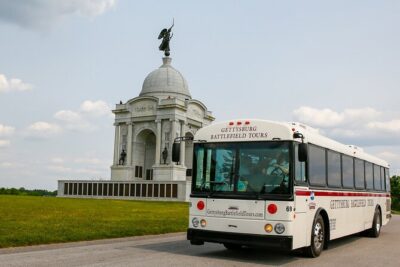 ★ 4.52-Hour Gettysburg Battlefield Guided History Bus Tour with a National Park GuideFrom $432,201 reviews
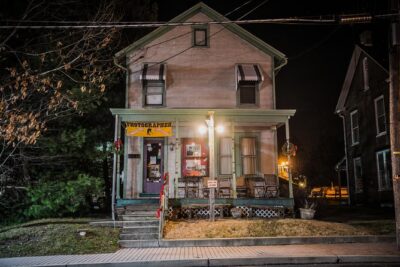 ★ 4.5Civil War Ghosts: Echoes of the Fallen Gettysburg Ghost TourFrom $32913 reviews
 ★ 4.5Gettysburg Battlefield Self-Guided Driving Audio TourFrom $16910 reviews
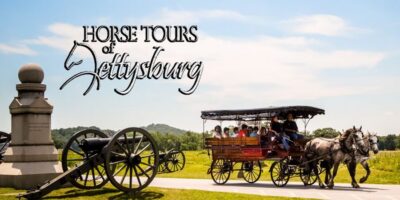 ★ 4.8Gettysburg: Horse-Drawn Carriage Battlefield TourFrom $74896 reviews
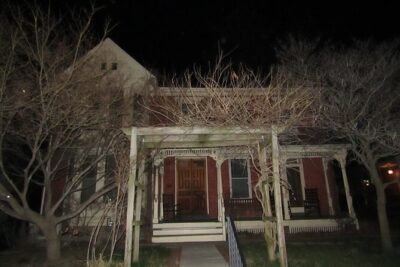 ★ 4.5Gettysburg: Ghost Hunt Tour with Ghost Hunting EquipmentFrom $28589 reviews
★ 4.3Civil War Ghosts: Echoes of the Fallen Gettysburg Ghost TourFrom $24480 reviews
★ 4.5Gettysburg: Ghost Hunt Tour with Ghost Hunting EquipmentFrom $28589 reviews
★ 4.3Civil War Ghosts: Echoes of the Fallen Gettysburg Ghost TourFrom $24480 reviews
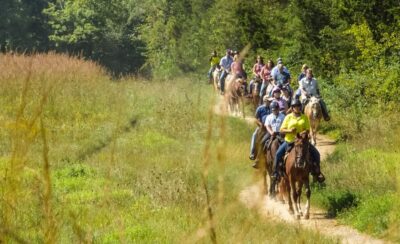 ★ 4.9Gettysburg: Licensed Guided Battlefield Horseback TourFrom $144419 reviews
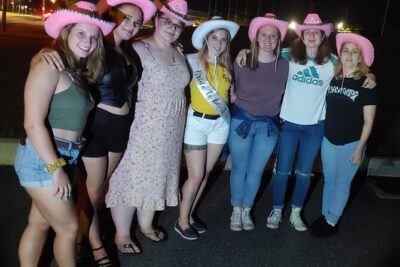 ★ 4.5Ghost Tour: History and Haunts – Family Friendly – Best in GettysburgFrom $23378 reviews
Browse the lists this tour appears in