

REVIEW · SMITHSONIAN & WASHINGTON MUSEUM TOURS
Washington DC: National Museum of Natural History Tour
Diamonds, bones, and whales in one stop. A guided walk through the National Museum of Natural History helps you tame a building that covers the area of 18 football fields, while still getting you straight to the wow moments like the Hope Diamond with skip-the-line entry. You get an English-speaking expert to steer you through the scale, instead of letting the museum swallow your time.
I love that the tour runs as a small group (max 8) or private option, so the pace stays human and the guide can react to your interests. I also love that the route mixes superstar objects with real science, including Ocean Hall and hands-on-feeling stops like the Fossil Lab, not just glass cases of shiny stuff.
One consideration: this is a 2.5-hour walking tour, and security is strict, so you will want comfortable shoes and to travel light since luggage or large bags are not allowed.
Key highlights worth planning around
- Hope Diamond, the 46-carat showstopper plus the story of how you’re meant to look at it
- Dom Pedro Aquamarine and the Star of Asia Sapphire for gem lovers who want the science behind the sparkle
- Real mummies, not props, with context that helps the displays feel meaningful
- Ocean Hall’s coral reef exhibit, a sea-meets-museum moment that’s easy to miss on your own
- Phoenix the 45-ton whale replica, a chance to learn about a whale the museum has tracked in the wild
- Fossil Lab and Arctic Narwhal, where the museum turns nature’s clues into a real narrative
Still museum weather? More Smithsonian runs
Why this Natural History Museum tour saves your time in a huge building
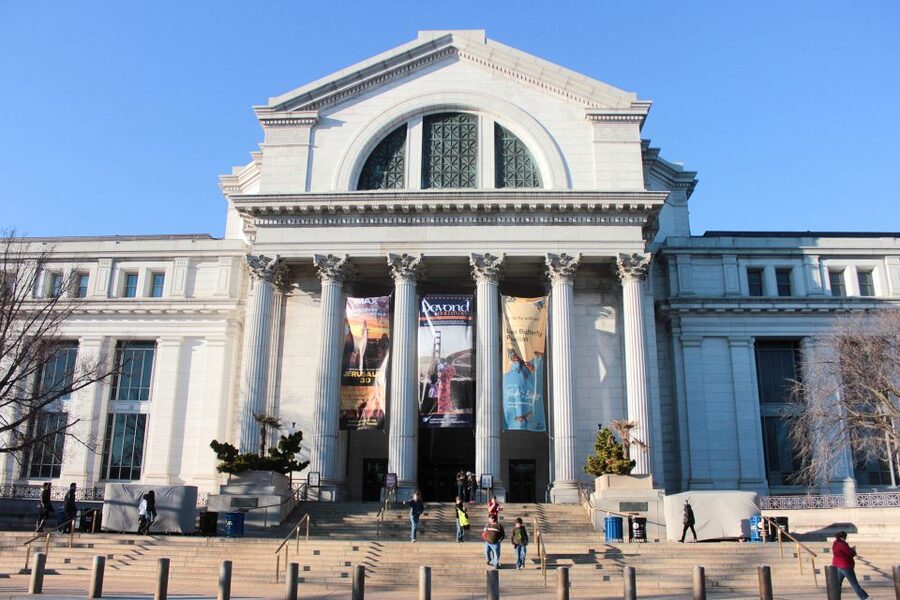
The National Museum of Natural History is the kind of place where you can lose an entire day without realizing it. The collection is staggering, with 126 million artifacts, housed inside a purpose-built building that’s huge enough to equal 18 football fields. A guide matters here because the museum is not laid out like a tidy “one hallway, one stop” attraction.
On this tour, you’re not just sightseeing. You’re getting a sequence of stops that make sense in your head, from famous jewels to life science to deep time. That context helps you remember more than a list of things you saw for five seconds.
And there’s another practical win: you skip the ticket line, so you lose less time to entry bottlenecks. That means more of your 2.5 hours stays focused on exhibits, not waiting.
Small group pace (max 8) and guides who match your interests
You can book a private tour or a shared small group limited to no more than 8 people. That small size is a big deal in a museum like this. It makes it realistic for the guide to adjust, rather than pushing everyone through the same route like a checklist.
This is also where the guide personalities really show. In the experience, you can get storytelling that works for teens, thanks to guides like Leigh, and you can also get a more conversational style with guides like Tim, who asks what you care about and then steers your time accordingly. For families, Brenda is known for pulling the whole group into the exhibits and explaining what matters in each room.
Some guides go beyond the museum too, like Tony, who adds helpful DC suggestions along the way. That can be handy if you’re visiting for a short trip and want your museum day to plug into the rest of your itinerary.
Bottom line: the small group format turns a “see the highlights” plan into something closer to a tailored visit.
Hope Diamond and the gem circuit you’ll actually understand
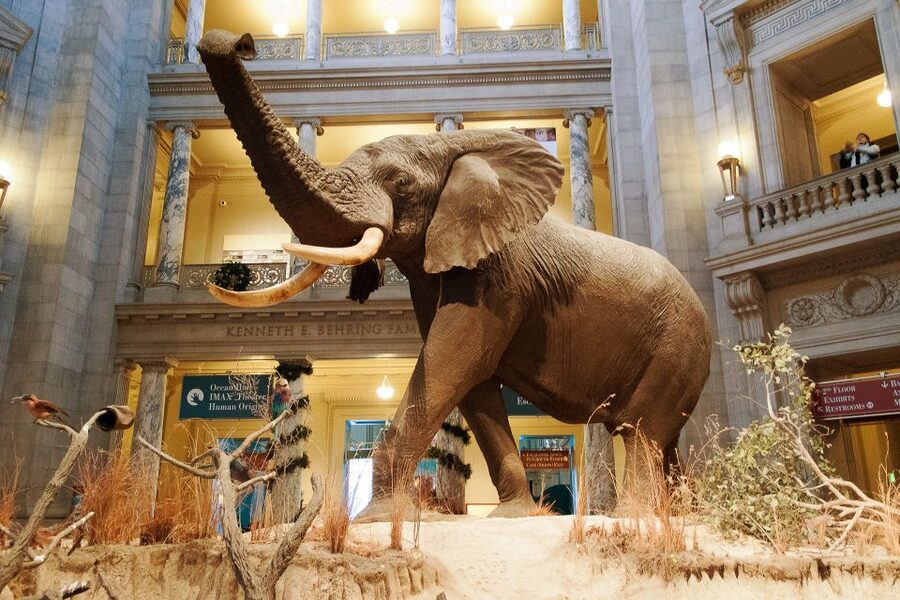
If you like jewels, you will feel like you’re walking into a greatest-hits album. The tour centers on the 46-karat Hope Diamond, one of the most famous diamonds in the world. With a good guide, you do not just look at it. You learn what makes it special, and you get the kind of background that makes the object feel less like a trophy and more like a story.
Right alongside it, you get a focus on other famous gems, including the Dom Pedro Aquamarine, described as the world’s largest gem of its type. The experience also highlights the Star of Asia Sapphire, which helps round out a route that’s about more than sparkle. You’re getting variety, plus enough explanation that you can look at each piece with clearer eyes.
Here’s why this matters for value. You might spend a lot of time chasing these objects on your own, especially if you’re unsure where to start. On a 2.5-hour visit, the guide’s “hit the right rooms first” plan keeps you from wasting precious minutes.
Deeper into the record
- DC Monuments & History Guided E-Cart Tour-Blankets★ 4.5 · 450 reviews
- Smithsonian Museum of Natural History – Exclusive Guided Tour★ 5.0 · 446 reviews
- Historic Georgetown: History, Gossip, & Architecture Walking Tour★ 5.0 · 321 reviews
- DC’s Original Food and History Walking Tour★ 5.0 · 255 reviews
- Smithsonian Museum of American History Exclusive Guided Tour★ 5.0 · 245 reviews
Mummies and the quieter rules that keep the experience respectful
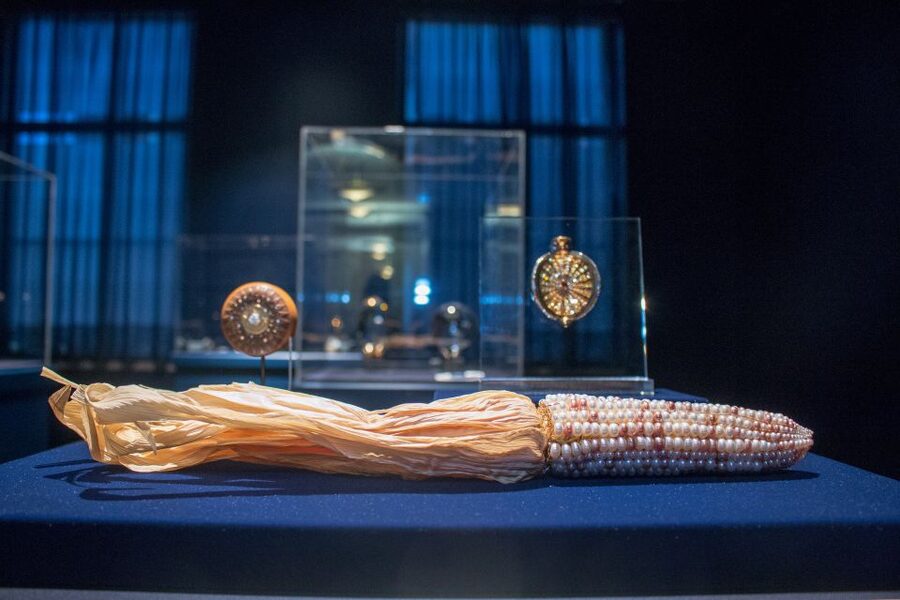
One of the most unforgettable stops is the chance to see real mummies. That alone is worth building time for, but the guide adds the context that keeps it from becoming a shock-and-awe detour. The museum is full of objects that have complicated histories, and a guide helps you understand what you’re looking at and why it’s displayed.
There’s also a behavioral heads-up that can affect your comfort. Some specific rooms inside the museum have rules that require quiet or restrict speaking. Your guide will tell you what the rules are before you enter those rooms. If you come prepared for that, the whole visit feels smoother, and you’re less likely to accidentally disrupt other visitors or get flustered.
This is also one of those moments where a family-friendly or teen-friendly guide makes a difference. With the right tone, the explanations can feel curious, not spooky, and you can keep moving at a pace that works for everyone.
Ocean Hall coral reef and Phoenix, the 45-ton whale replica
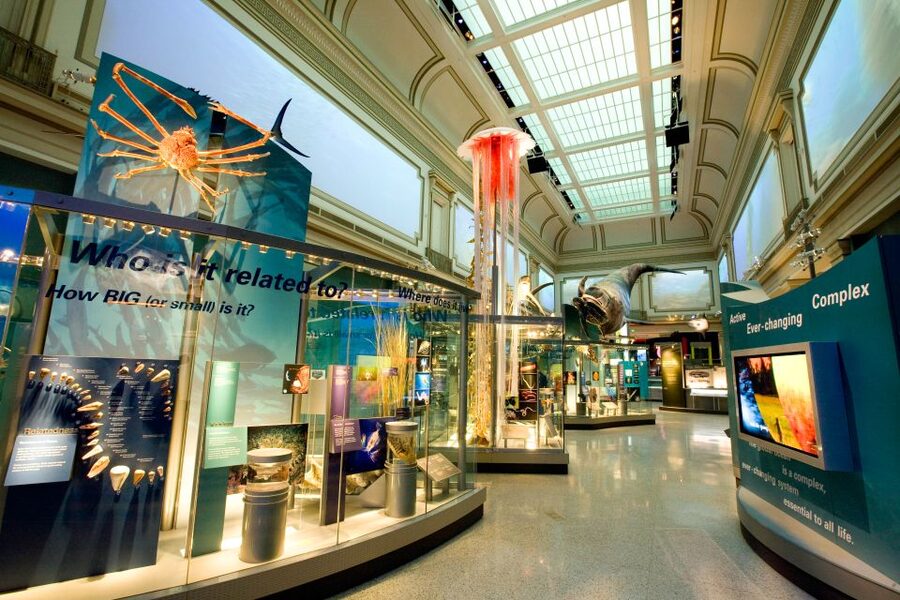
If the museum has a “wait, I didn’t expect that” moment, it’s likely here. The tour includes the Ocean Hall, where you’ll see a coral reef exhibit that brings the sea into the museum. Even if you have no special interest in marine life, this stop has a way of making you slow down, because it feels like the environment is doing the talking.
Then the tour shifts into another kind of scale: Phoenix. You’ll learn about the replica of Phoenix, a 45-ton whale that the museum has been tracking in the wild. That’s a powerful concept for two reasons. First, it shows how museums don’t just collect objects, they also support ongoing research. Second, it gives the whale a story, not just a display label.
This pairing, Ocean Hall and Phoenix, also makes the day feel balanced. You get ocean life, then you get a massive animal tied to real-world observation. It’s one of the reasons this tour works well as a highlights visit. It hits the emotional moments and also keeps them connected to science.
Fossil Lab, Arctic Narwhal, and the big land animals
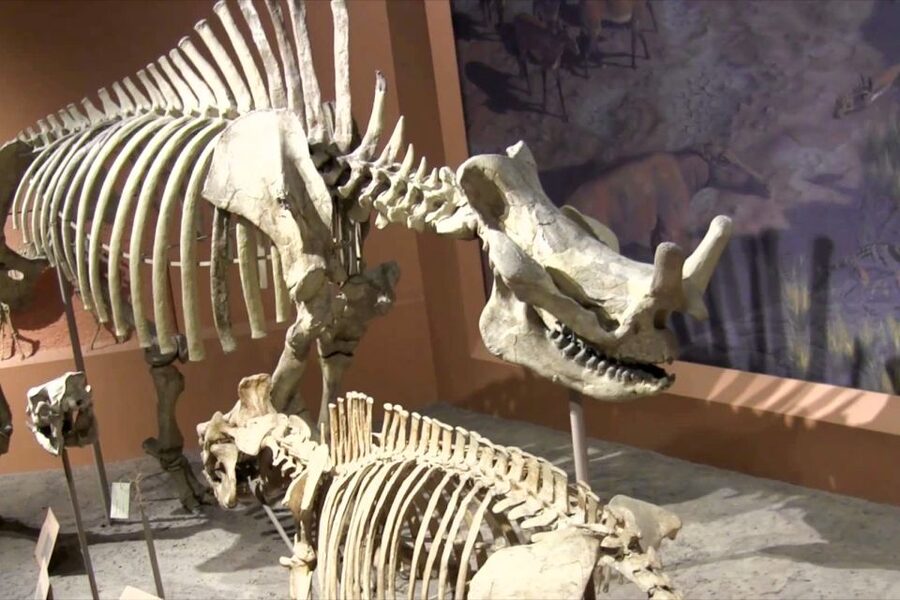
After you’ve handled the wow moments of gems and whale scale, the tour moves into deep time and living nature. One included stop is the Fossil Lab, where you can connect what you see with how fossils are studied. Even without turning it into a lecture, it helps you understand the logic behind the exhibits.
You’ll also get time for the Arctic Narwhal. A good guide can make this more than a single animal sighting. You start thinking about adaptations and environments, and the narwhal becomes a clue to bigger patterns.
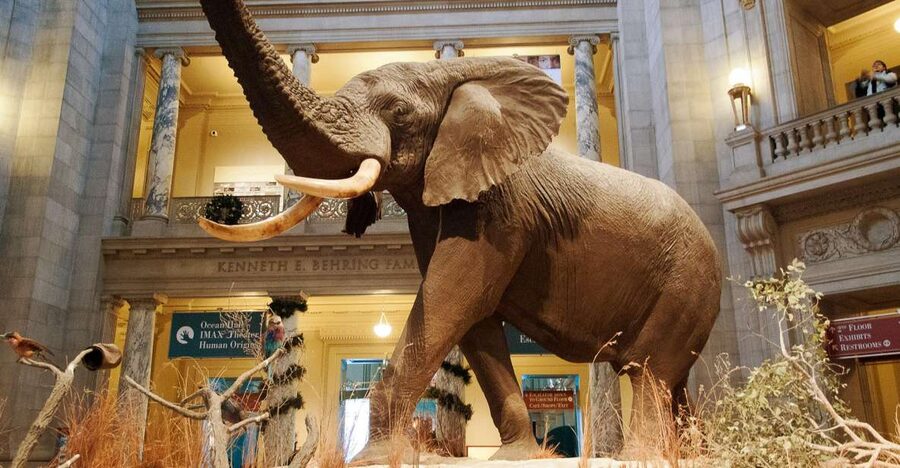
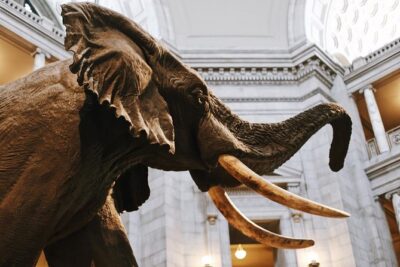
Then you wrap up with land giants on display, including giraffes, elephants, polar bears, and other large animals. These displays work because they remind you that natural history is not only about past eras. It also covers the living world, and how the museum represents it inside one building.
If you’re traveling with kids, this is a smart payoff zone. Big animals are easy for younger visitors to connect with, and the guide’s explanations keep it from turning into a quick photo stop only.
What the 2.5 hours looks like on your feet
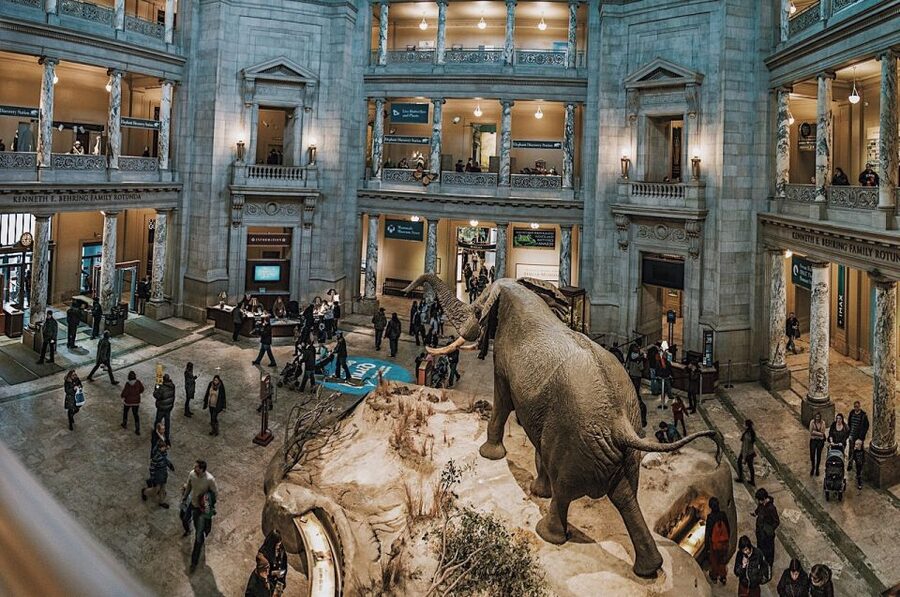
This is a walking tour for 2.5 hours. That means you should plan it like a real activity, not like a casual stroll. The museum is big, and you’ll be moving between rooms that each deserve attention.
The tour is designed so your guide doesn’t just point. They help you get oriented fast, and they guide you through the best parts instead of letting you wander randomly. That’s the difference between “I saw a lot” and “I actually understood what I saw.”
Also note that the museum experience can vary slightly. Some collections may vary, and temporary exhibits are not included. The guide will still hit the main highlights, but if you’re a person who plans everything around one temporary display, you’ll want to know that’s not part of this tour.
Practical stuff: ID, dress, bags, and the museum’s rules
Before you show up, keep these details in mind because they affect day-of comfort.
- Bring photo ID (a passport or ID card).
- Dress appropriately for entry into some sites on the tour. The exact dress rules aren’t spelled out, so it’s safest to avoid anything overly casual for formal areas.
- Luggage and large bags are not allowed. Only handbags or small thin bag packs are allowed through security.
- Some rooms have quiet or speaking restrictions, and your guide will warn you before entering.
Another practical point: the tour does not include hotel pickup or drop-off, and food and drinks are not included. The meeting point can vary depending on what option you book, and the tour ends back at the meeting point.
None of this is hard, but it’s the kind of stuff that can trip you up if you assume museums work like a theme park.
Price and value: is $86 for Natural History actually fair?
At $86 per person for a 2.5-hour guided tour, the price makes sense for one big reason: the museum is enormous, and time is limited. If you tried to do the same set of highlights on your own, you would likely spend real energy figuring out where to go and which rooms to prioritize.
You’re paying for three kinds of value at once:
- Expert interpretation so the iconic objects have context, not just labels
- Time management in a building measured in football fields
- Small-group pacing (private or a group capped at 8) that keeps the visit from feeling rushed
That guide quality is part of the price too. The experience includes guides who adjust to your interests, like Tim and Brenda, and guides who communicate in a way that works even with teenagers, like Leigh. That matters because the museum has enough science and history to overwhelm a first-timer, and a guide prevents that.
If you’re on a short DC trip and you want the highlights without sacrificing understanding, this kind of guided structure is one of the most practical uses of money you can make.
Who should book this tour, and who might want a different plan
This tour is a great fit if you want:
- A high-impact highlights route through the National Museum of Natural History
- Clear explanations tied to major objects, including Hope Diamond, Dom Pedro Aquamarine, real mummies, and Phoenix
- A guide who can adjust to your group, including families and teens
It may not be the best fit if:
- You hate walking and want a mostly seated experience
- You’re traveling with luggage or large bags, since security limits what you can bring
- You are counting on a temporary exhibit stop, because those are not included
Wheelchair information is mixed in the materials you receive. One note says wheelchair tours are by request only, but another states the activity is not suitable for wheelchair users. Since that conflict matters, you should confirm accessibility directly with the provider before booking so you don’t get stuck on day-of assumptions.
Should you book this tour?
Yes, if your goal is to see the big-name National Museum of Natural History highlights with real explanations and less wandering. This is the type of tour that turns the museum from a confusing maze into a story you can follow, from jewels and mummies to coral reef scale, whale research, fossils, and Arctic and land animals.
Book it especially if you are visiting for the first time or you only have a half-day. The 2.5-hour limit is real, and the guide plan is what keeps your time focused on the best parts.
Skip it if you want total freedom to roam without structure, or if you have accessibility needs that require confirmation beyond what’s clearly stated. In those cases, you’ll likely be better off with a self-guided plan and extra time.
FAQ
How long is the National Museum of Natural History guided tour?
The tour runs for 2.5 hours, with starting times that depend on availability.
Is this tour private or shared?
You can choose between a private tour or a small group option. Each tour allows a maximum of 8 people.
What are some of the main exhibits included?
Highlights include the 46-carat Hope Diamond, the Dom Pedro Aquamarine and Star of Asia Sapphire, real mummies, Ocean Hall’s coral reef exhibit, Phoenix the 45-ton whale replica, the Fossil Lab, the Arctic Narwhal, and large land animals such as giraffes, elephants, and polar bears.
Do I need to bring identification?
Yes. You should bring a passport or ID card (valid photo ID is required).
Are bags and luggage allowed?
Luggage or large bags are not allowed. Only handbags or small thin bag packs are allowed through security.
Is the tour wheelchair accessible?
Wheelchair info is inconsistent in the materials provided. One section says wheelchair tours are available by request only, but another says it is not suitable for wheelchair users. Confirm accessibility directly before booking.
More Tour Reviews in Washington Dc





More Smithsonian Mornings




More to book around Washington Dc
- The Public Group Scooter Tour of DC’s National Mall
★ 5.0 · 3 reviews - National Mall Highlights with Cherry Blossom & Arlington Cemetery
★ 3.5 · 3 reviews - Private Washington DC Monuments Day or Night Bike Tour
★ 5.0 · 3 reviews - Private Tour with US Capitol Or Archives Or Washington Monument
★ 3.5 · 3 reviews - Washington DC Private Guided Bus Day Tour with Step Off Guide
★ 5.0 · 3 reviews - 3-Hour Small Group Memorial Tour in Washington, D.C.
★ 4.0 · 3 reviews
Smithsonian & Washington Museum Tours, compared.
 ★ 5.0Smithsonian Museum of Natural History – Exclusive Guided TourFrom $89446 reviews
 ★ 5.0Smithsonian Museums Walking Tour with Reserved Air & Space EntryFrom $79297 reviews
 ★ 5.0Smithsonian Museum of American History Exclusive Guided TourFrom $89245 reviews
 ★ 4.5Museum of the Bible Admission Ticket233 reviews
 ★ 5.0The Smithsonian National Air & Space Museum Exclusive Guided TourFrom $89214 reviews
 ★ 5.0Smithsonian Museum of Natural History Small Group Tour: 8ppl MaxFrom $89177 reviews
 ★ 5.0The National Gallery of Art DC – Exclusive Guided Museum TourFrom $89166 reviews
 ★ 4.1Smithsonian National Museum of Natural History Guided TourFrom $75159 reviews
Browse the lists this tour appears in