
REVIEW · HISTORICAL TOURS
DC’s Original Food and History Walking Tour
U Street can feel like a side door to DC. This guided walk turns lunch tastings into a story about Black Broadway, with street art and neighborhood context along the way. Expect a small group and a route that mixes food stops with meaningful history.
I especially like how the tour ties what you eat to where the community has been, from music-and-theatre era connections to the look and feel of the corridor today. I also love that it is built around real restaurant partners, with standouts that often include Ben’s Chili Bowl half-smokes, Ethiopian dishes, and dessert stops like Colada Shop pastelitos and ice cream finishers.
One thing to weigh: you will likely sit down for family-style shared plates and larger portions at fewer places, not a never-ending parade of tiny tastings. If you are very sensitive about hygiene or you want more food variety per stop, this may feel like the wrong fit.
Key highlights you will feel fast
- Small group size (max 8): more questions, less crowd energy, and an easier pace for a 1.5-mile walk.
- Black Broadway focus on U Street: you get the cultural and historical “why” behind the neighborhood, not just the what.
- Real lunch value: lunch is included, and the servings are commonly described as generous enough to finish the tour full.
- Big moments in a short walk: murals, street art, and landmark stories are worked into the route.
- Food variety with a few bold flavors: expect classic DC comfort food alongside cuisines like Cuban and Ethiopian.
- Built-in giving: each ticket includes a donation to Bread for the City, aimed at feeding a DC resident three full meals.
More walking, less waiting


Why U Street matters when you are done with monuments
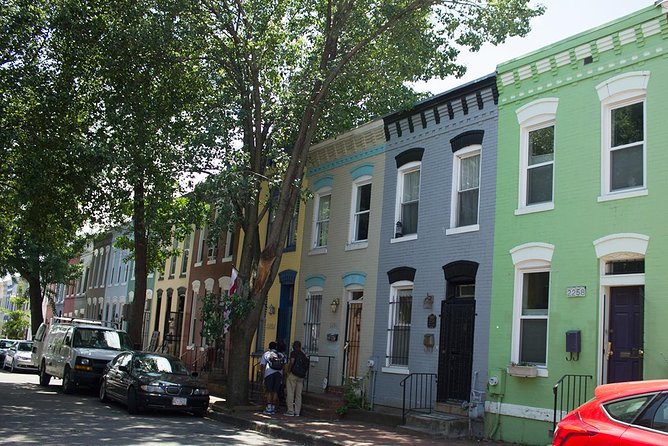
Washington DC’s famous sights can make you feel like you are only seeing the “official” version of the city. U Street offers the counterpart. This corridor, long known as Black Broadway, is where American culture was made in public, from stage life to music and community institutions.
On this tour, the history is not a lecture that floats above the street. It is anchored to what is still there, how the architecture looks, what kinds of venues and events shaped the block over time, and how street art and murals keep the neighborhood’s voice visible. That combination is what makes the walk more than a snack run.
You also get a simple, useful payoff: you leave with a mental map of the area’s evolution. Even if you only know DC from the big landmarks, this kind of neighborhood orientation helps everything you see later make more sense.
Price and value: what $112 really buys you
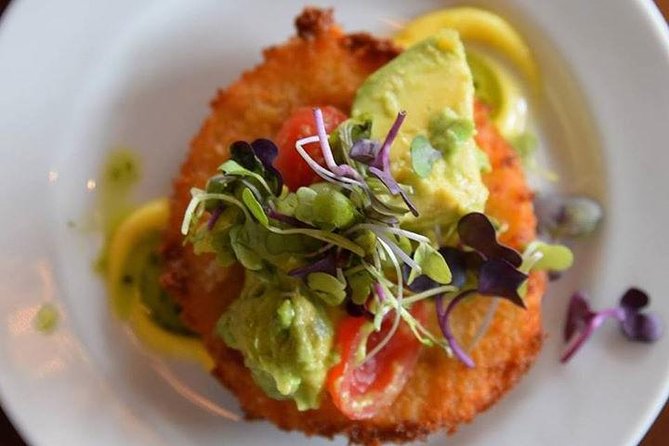
At $112 per person for about 3 hours, you should evaluate value by what is included and how the pacing works.
Here is what you get for the price:
- Local/professional guide running the walk
- Lunch included
- A donation to Bread for the City, described as enough to feed a DC resident three full meals
- A maximum group size of 8, which usually means more time with your guide and less waiting around
Many food tours sell “tastings,” then you end up doing most of the eating after the tour. This one is different. It is built as a lunch-centered experience, and multiple people describe the servings as ample. That matters because you are not just buying samples, you are buying a meal plus context.
The balanced take: not every stop hits every palate. Some people felt certain elements, like a dessert stop, did not feel as historical or “ethnic” as the rest. Others felt the food alone did not justify the cost if they expected more small tastes across more locations. If you are the type who judges a food tour only by variety per bite, go in expecting fewer, more substantial stops rather than a tasting buffet.
The 3-hour route: how the walking part actually feels
The walk is about 1.5 miles, which is very doable for most people if you dress for DC weather and bring comfortable shoes. The duration is about 3 hours, so you are not sprinting between stops. You are also not stuck in one restaurant for too long, which helps keep energy up.
The starting point is 1213 U St NW (nearby) and the tour ends at 1405 T St NW. The schedule starts at 11:30 am, which is ideal if you want a late morning start, then a real lunch finish without rushing dinner plans.
Because it runs in all weather conditions, your clothing matters. Even if the tour is mostly outside, DC can switch from pleasant to windy or rainy quickly. If you hate changing plans, this is a good “show up and go” format. If you hate walking when the weather is bad, plan accordingly with a light layer or rain protection.
More tables and tastings
- Washington’s Hidden Gems Food Tour with 6+ Tasty Bites★ 4.5 · 292 reviews
- Tastes of Georgetown Food & History Small Group Walking Tour★ 4.5 · 203 reviews
- Acquired Taste Food Tour in Georgetown★ 5.0 · 105 reviews
- Washington D.C.: Taste of Georgetown Walking Food Tour★ 4.7 · 89 reviews
- Local Neighborhood Washington DC Food Tour by DrinkEatWalk Tours★ 5.0 · 51 reviews
What you eat on U Street, and why each stop makes sense
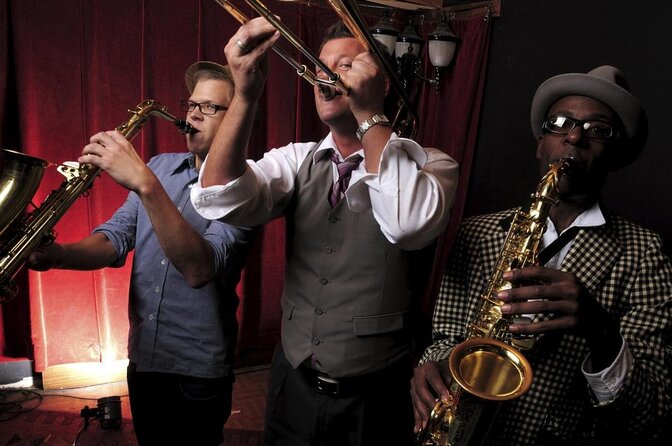
You will eat at several locally rooted spots along the U Street corridor. The exact mix can vary, but the most frequently mentioned favorites show the tour’s overall pattern: comfort food classics, plus Caribbean and African diaspora flavors, with dessert at the end.
Here are the kinds of tastings that show up in the experience, and what they add:
Ben’s Chili Bowl style comfort food
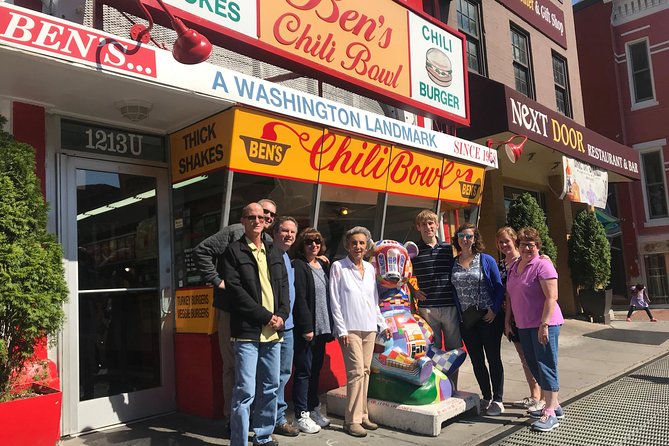
One of the biggest repeat mentions is Ben’s Chili Bowl, often centered on half-smokes. If you like classic DC food, this stop is a payoff. If you are more health-minded or cautious about rich comfort dishes, you might want to pace yourself, because portions are described as filling.
What it offers beyond taste: a sense of place. Ben’s is not just a snack. It is part of the corridor’s identity, which is exactly why it fits a food-and-history theme.
Ethiopian food for a first-time flavor reset
Several people highlight an Ethiopian café stop as a standout, sometimes described as a first Ethiopian dining experience. If you have never tried Ethiopian before, this is a high-value moment on the tour because the flavors are bold, and the presentation is often different enough to feel memorable.
What to expect: a real meal feeling, not a tiny sample. That is great if you came hungry, but it also means you may not want to over-order extra food before you join.
Cuban or Caribbean sweets, like pastelitos
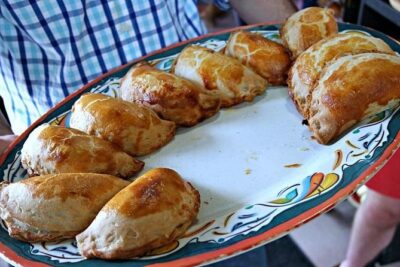
Another common highlight is Colada Shop and guava cheese pastelitos. Pastelitos bring a sweet-and-savory warmth that contrasts nicely with the heavier DC comfort food earlier.
If you are someone who likes to compare similar comfort categories across cultures, this is a practical way to do it in one afternoon. You get the “what” of the pastry and the “why” of why it fits the neighborhood’s story.
Dessert, including ice cream
Some tours end with ice cream, including mentions of Jeni’s Ice Cream. This is fun for a lot of people because it feels like a clean finish after lunch-heavy tasting. Still, not everyone loves this part. A few comments suggest the ice cream stop felt like less of a cultural match than the savory stops.
If you are skipping dessert for diet reasons, you can still enjoy the experience. Just know dessert is part of the tour identity.
History moments you will remember, from murals to specific stories
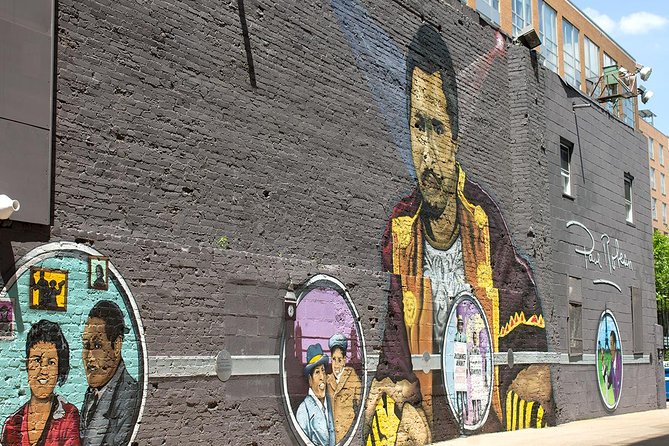
The U Street corridor is famous for visual storytelling, so street art and murals are not decoration here, they are evidence of community memory. Throughout the walk, you will hear about architecture, historic venues, and street art tied to the neighborhood’s identity.
You may also encounter historical references to major national events and local impacts, and some guides incorporate additional context that connects U Street to the wider US timeline. In practical terms, this is why the tour often feels more “mental” than just culinary.
The best versions of this tour are when your guide slows down at the meaningful spots and explains what changed over time. That is what turns “I saw a wall painting” into “I understand what it signals.”
Guides: the human factor that keeps the tour at a high rating
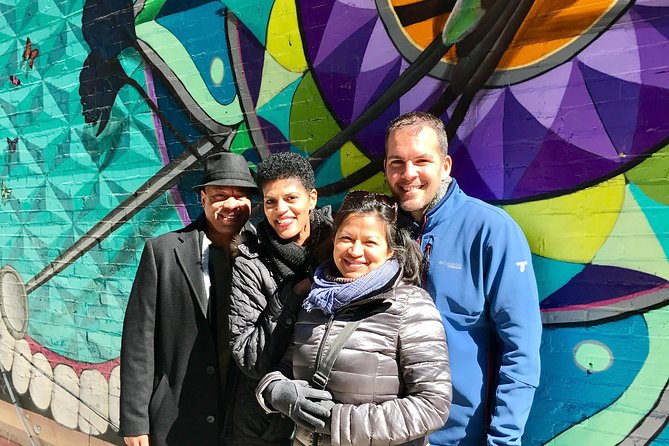
Small group walks live or die on the guide. This tour clearly attracts hosts who can blend pacing, personality, and neighborhood stories.
Names you may hear in different departures include Jim, Rasheed, Vanesa, Jenn, and Soneka. Across feedback, the common thread is lively storytelling and a guide who makes space for questions without turning the walk into a debate.
In particular, several people mention that the best guides balance history and food, keeping the pace relaxed. That matters because a tour with good food but poor timing can feel rushed. Here, the typical experience is described as well-paced, with enough food to feel satisfied, plus time to chat.
Who this U Street tour is best for
This tour is a strong match if you want:
- A walking neighborhood orientation that goes beyond monuments
- A food-and-history blend, where the stories explain the culinary choices
- A small group experience (max 8), with time for conversation
- Lunch included, so you do not need a separate meal plan
It is less ideal if:
- You are vegan or need dairy allergy accommodations. The tour notes vegetarian options (not vegan) and says vegans cannot be accommodated. It also says dairy allergies cannot be accommodated on this tour.
- You want lots of tiny tastings across many stops. Some feedback suggests the tour can feel light if you compare it to tasting-heavy formats.
- You prefer not to share food family-style. One concern raised was about shared plates and hands-on eating.
If you are traveling with kids, note that children must be accompanied by an adult. The walk is short enough for many families, but it is still a city stroll with multiple stops.
Practical expectations before you go
A few things will make your tour smoother:
- Start hungry. The experience is designed as lunch, and people commonly say you will leave full.
- Wear comfortable shoes. Even at 1.5 miles, you will feel the walking if you picked fashion over comfort.
- Dress for weather. It operates in all conditions, so bring rain gear or a layer.
- Tell your guide about dietary needs early. Vegetarian is available, but vegans and dairy allergy needs are not supported.
- Bring curiosity. The best moments are the ones where food becomes a key to the neighborhood story.
Book it or skip it: my straight answer
Book this tour if you want an easy, memorable way to understand U Street and Black Broadway through lunch and street-level stories. At $112 with lunch included, small group size, and a donation component, it is good value for a guided neighborhood experience, especially if you like mixing classic DC food with international flavors like Ethiopian and Cuban-style pastries.
Skip it if you are strictly vegan or have a dairy allergy, or if you want many small tastes across lots of stops with constant variety. Also skip it if shared plates will bother you.
If you fall in the middle, you are probably the sweet spot. You get a guided walk, a satisfying lunch, and a real sense of why this corridor matters.
FAQ
Where does the tour start and end?
It starts at 1213 U St NW, Washington, DC 20009 and ends at 1405 T St NW, Washington, DC 20009.
How long is the walking food and history tour?
The tour lasts about 3 hours.
How much walking is involved?
You walk about 1.5 miles over the course of the experience.
What time does the tour begin?
The start time is 11:30 am.
Is lunch included in the price?
Yes. Lunch is included along with restaurant tastings during the walk.
Are vegetarian or vegan diets supported?
A vegetarian option is available (not vegan). The tour states it cannot accommodate vegan diets, and it also notes it cannot accommodate dairy allergies.
How many people are in the group?
This experience has a maximum of 8 travelers, so it is a small-group format.
What is included besides food?
You get a local/professional guide and there is also a donation to Bread for the City included with your ticket.
Can I get a refund if my plans change?
Yes, free cancellation is available. You must cancel at least 24 hours before the experience start time for a full refund.
More Tours in Washington DC





More Tour Reviews in Washington DC
More to book around Washington DC
- The Public Group Scooter Tour of DC’s National Mall
★ 5.0 · 3 reviews - National Mall Highlights with Cherry Blossom & Arlington Cemetery
★ 3.5 · 3 reviews - Private Washington DC Monuments Day or Night Bike Tour
★ 5.0 · 3 reviews - Private Tour with US Capitol Or Archives Or Washington Monument
★ 3.5 · 3 reviews - Washington DC Private Guided Bus Day Tour with Step Off Guide
★ 5.0 · 3 reviews - 3-Hour Small Group Memorial Tour in Washington, D.C.
★ 4.0 · 3 reviews
Historical Tours, compared.
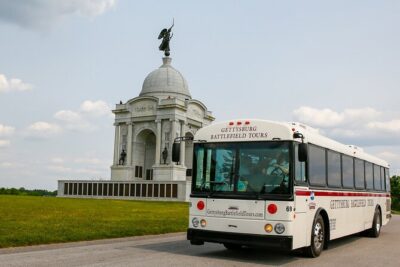 ★ 4.52-Hour Gettysburg Battlefield Guided History Bus Tour with a National Park GuideFrom $432,201 reviews
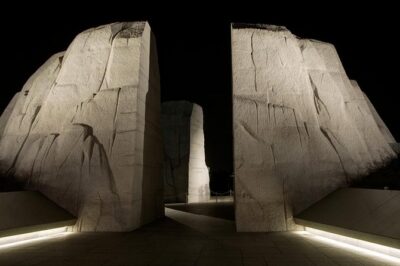 ★ 4.5Guided African American History Tour with Reserved Museum EntryFrom $891,180 reviews
 ★ 4.5DC Monuments & History Guided E-Cart Tour-BlanketsFrom $52450 reviews
 ★ 5.0Smithsonian Museum of Natural History – Exclusive Guided TourFrom $89446 reviews
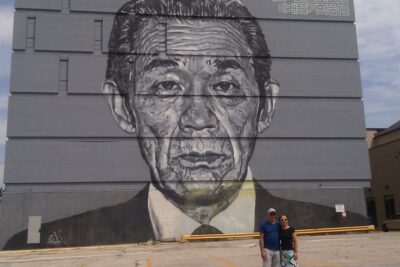 ★ 4.5Baltimore’s Historical Sightseeing TourFrom $44437 reviews
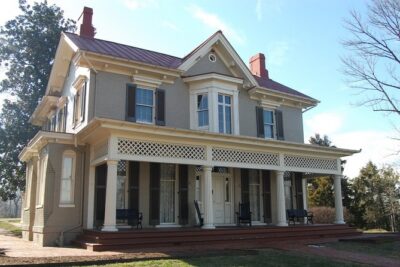 ★ 4.5African American History Tour with Museum of African American History TicketFrom $90390 reviews
 ★ 4.5Ghost Tour: History and Haunts – Family Friendly – Best in GettysburgFrom $23378 reviews
 ★ 5.0Historic Georgetown: History, Gossip, & Architecture Walking TourFrom $49321 reviews
Browse the lists this tour appears in