
REVIEW · GEORGETOWN TOURS
Washington D.C.: Taste of Georgetown Walking Food Tour
Georgetown has a way of turning lunch into a story. This 3-hour walking food tour mixes bite-sized tastings with the neighborhood’s port-and-shipping past, plus quick photos along the way.
I especially like the sheer variety of what you try. You’re not just sampling one kind of cuisine, you bounce across flavors that reflect Georgetown’s long habit of people, trade, and cultures meeting in one place. I also love that the portions are built for a real meal, so you tend to walk away full.
One thing to consider: this tour cannot accommodate vegan diets, or people with dairy or gluten allergies. If that’s you, you’ll want to look for a different tour option.
Quick Hits Before You Go
- Small group, up to 8 people for a more personal pace through Georgetown.
- About 1.5 miles over roughly 3 hours, so it feels like a stroll, not a hike.
- Multiple restaurant tastings designed to be lunch-worthy, not a couple of nibbles.
- Photo stops plus electronic photos taken by your guide during the walk.
- Bread for the City donation tied to your ticket, so your outing gives back.
- Rain or shine operations, so plan for weather you can’t control.
More of Georgetown, brick by brick
Georgetown on Foot, 1.5 Miles That Add Up to Lunch
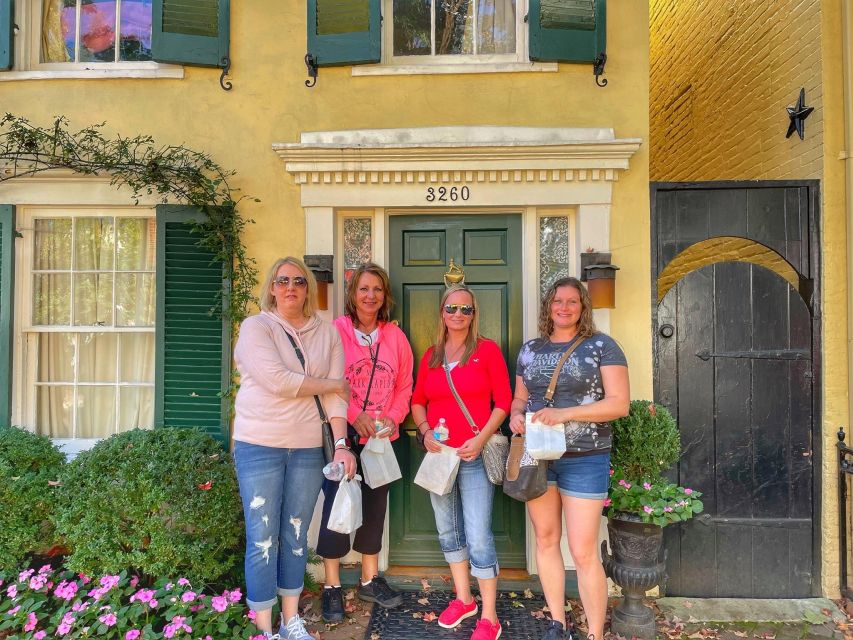
This tour is paced for walking, with a route that clocks in around 1.5 miles over about 3 hours. That matters because Georgetown has lots of charm, but also lots of corners and foot traffic. The small distance keeps you moving while still giving you time to actually hear what your guide points out.
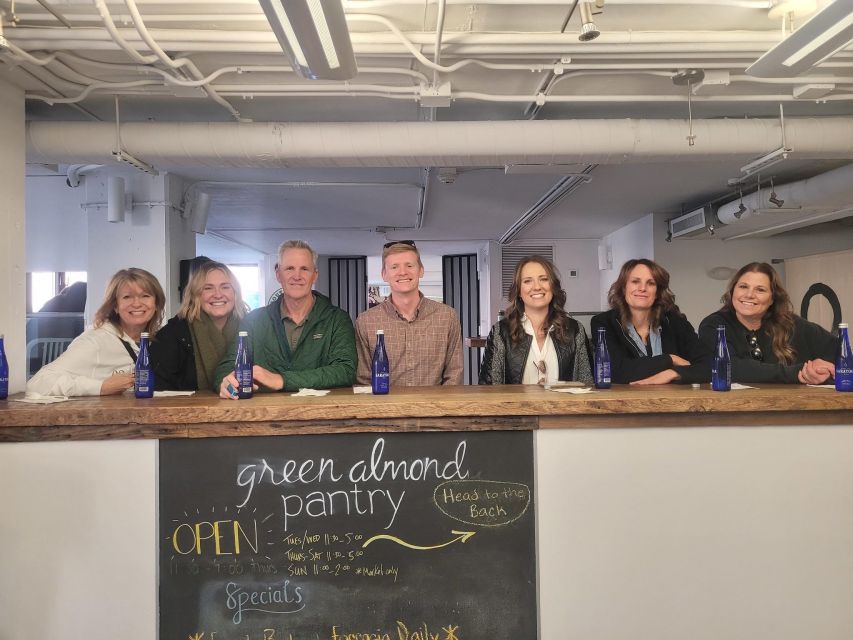
You’ll start at Green Almond Pantry and finish at Brasserie Liberté. Along the way, expect stops that combine food, short history bits, and a couple of photo moments. Since you’re eating through the neighborhood, the schedule works best if you arrive hungry and keep water in mind.
Comfortable shoes are non-negotiable. Georgetown sidewalks can be uneven, and you’ll be standing and walking enough that flip-flops are a bad plan. Bring weather-appropriate clothing, because the tour runs rain or shine.
Meeting at Green Almond Pantry and Getting Your Bearings Fast
The meeting point is Green Almond Pantry, and the tour begins with a guided start that helps you orient quickly. That first chunk of time sets the tone: you’re not just walking from restaurant to restaurant, you’re learning how Georgetown became what it is today.
One neat bonus is that you get (electronic) photos taken by your guide during the tour. So even if you’re the type who takes pictures but never gets around to sorting them, you’ll have a tidy set from the walk’s key moments.
Also, you’ll have a guide leading the whole thing in English. Recent guests have mentioned guides by name, including Neka, Jim, and Lois, and the common thread is how naturally they connect food choices to what’s happening around you in Georgetown.
Canal-Era Tarts and the Route That Shaped What You Taste
Early on, your tastings lean into Georgetown’s older identity: a working neighborhood built around movement of goods. You’ll hear how the canal once played a role in transporting products west, and how that kind of commerce helps explain why the food scene here doesn’t feel one-note.
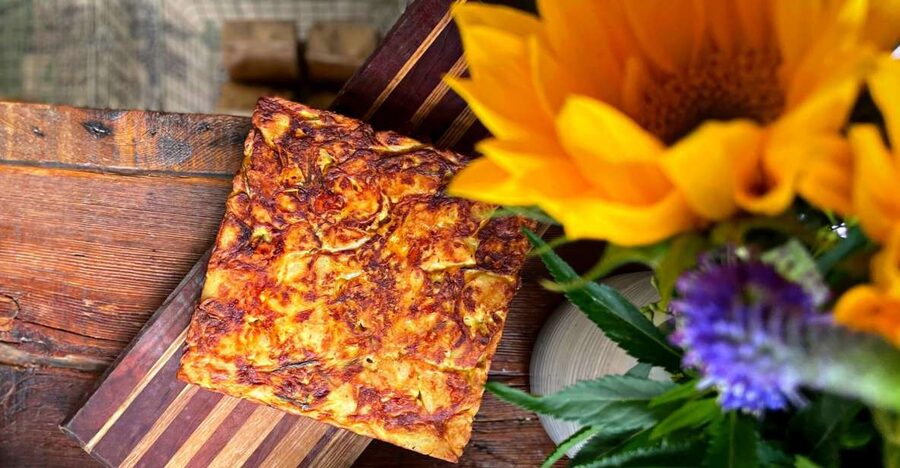
A highlight in this opening stretch is a James Beard nominee’s tart, described as being served near a canal setting tied to that goods-transport history. The point is not just the pastry. It’s the story behind why Georgetown’s food culture has long looked outward, borrowing and adapting as new people and products arrived.
You’ll also get the sense of Georgetown as a place where the everyday used to be louder than the current boutique shopping mood. Even if you don’t see mules or flour mills around every corner, the guide frames the neighborhood that way on purpose, so you understand why the streets feel old even when the storefronts change.
More walking, less waiting
- Arlington National Cemetery Walking Tour & Changing of the Guards★ 5.0 · 2,566 reviews
- Ghosts of Georgetown & The Exorcist Steps Walking Tour★ 5.0 · 610 reviews
- Georgetown Foodie Culinary Tour & Neighborhood Walk★ 5.0 · 437 reviews
- Gastronomic Georgetown Walking Food Tour★ 4.5 · 373 reviews
- Ghosts of D.C. – Walking Tour★ 4.5 · 344 reviews
Turkish Spices, Flaky Layers, and the Fun of Food With a Map
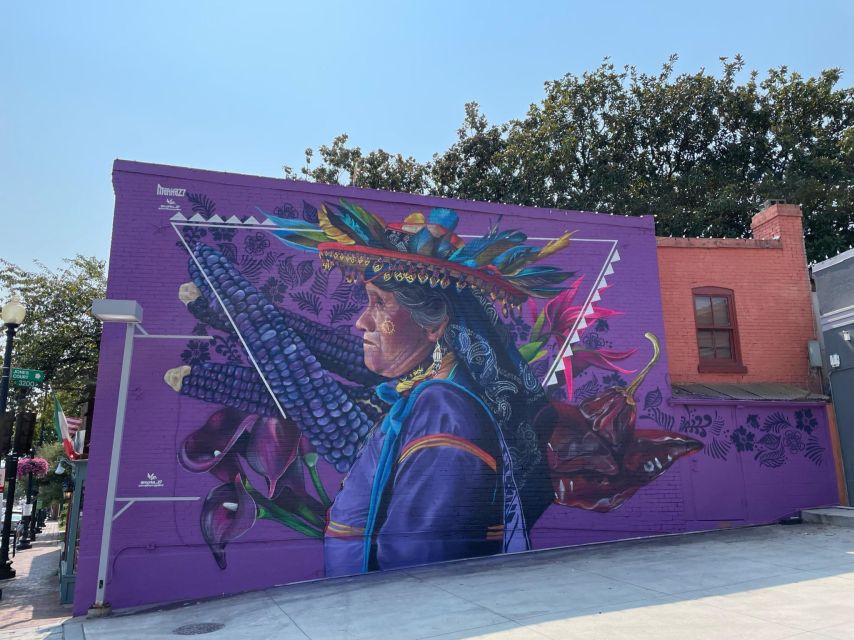
Mid-tour tastings shift toward savory, punchy dishes that help you understand Georgetown’s role as a crossroad. One stop features potatoes and egg with Turkish spices. Another brings falafel pita with marinated vegetables and tahini that tends to land well with people who think they like only one style of food.
What I like about this approach is that it turns the neighborhood into a map you can taste. You start connecting flavors to waves of migration, changing tastes, and the practical reality of a neighborhood built on residents who needed good food nearby.
You may also encounter items like meatballs and gourmet olive oil with fresh baked bread. These feel simple, but they’re often where you notice technique and ingredient quality. And in a food tour, those small details add up fast.
Thin-Crust Pizza and What Award-Winning Food Adds to the Story
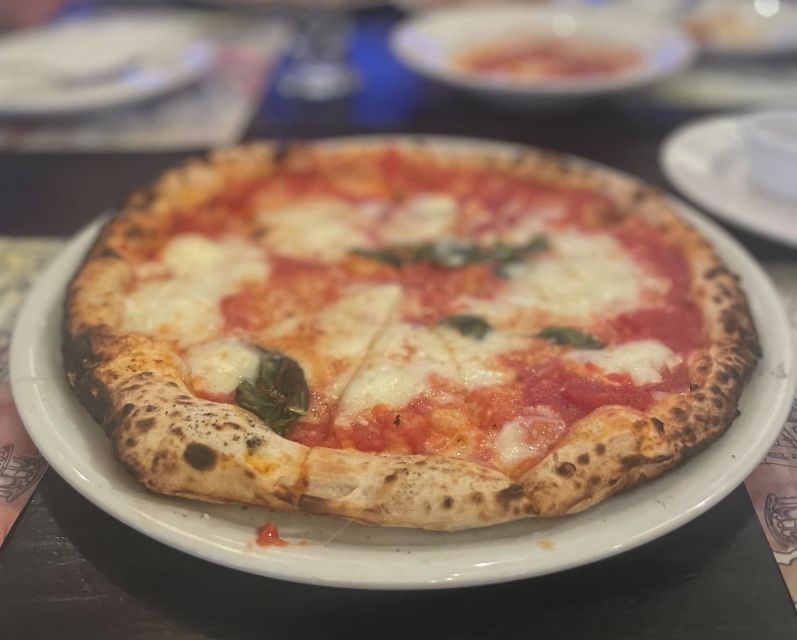
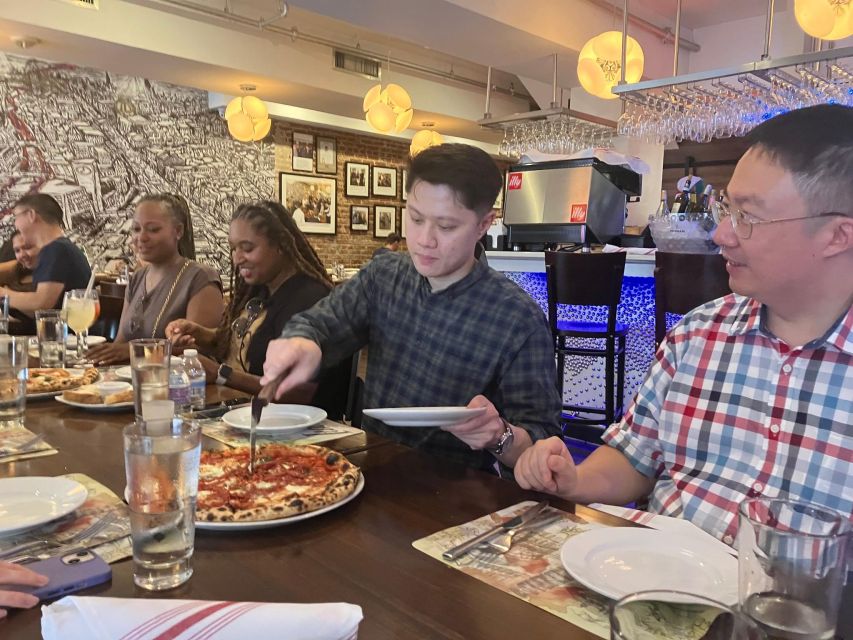
There’s a reason people keep coming back for award-winning thin-crust, pizza-style tastings on this route. Pizza is crowd-pleasing, sure, but it also acts like a bridge. It pulls you into Georgetown’s more modern restaurant world while still tying back to the neighborhood’s habit of mixing cultures.
The way this tour frames it is smart. Instead of treating pizza like a random stop, your guide uses it to explain how Georgetown kept changing over time, moving from port city rhythms toward an elite enclave. That transition can sound abstract on a brochure, but it makes more sense when you’re literally eating food that represents the next chapter of the neighborhood.
If you love food you can share and discuss, this part of the tour usually clicks. Small groups mean you can ask questions without feeling like you’re slowing everyone down.
French Influence and Crème Brûlée at the Finish
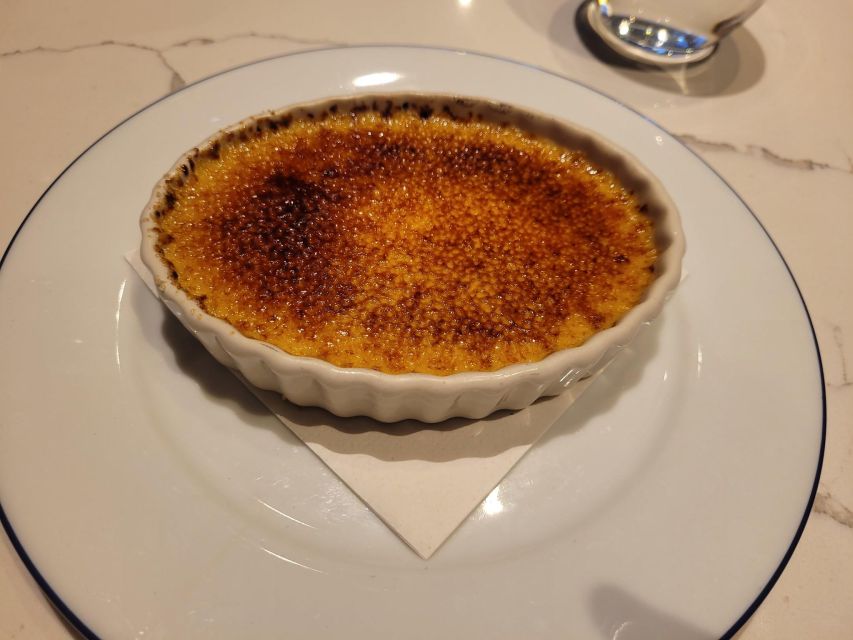
The last tastings lean into the French imprint described on this tour, and that sets up a satisfying ending. A standout is crème brûlée, paired with the idea that French cuisine helped shape what people expected to find in Georgetown as dining culture developed.
Finishing at Brasserie Liberté works well because it feels like a punctuation mark. You’ve walked the neighborhood’s arc, from older trade-based Georgetown to the more polished dining and tasting culture now associated with the area. Ending with dessert makes sense because it’s the one course where people tend to slow down, taste carefully, and actually listen.
This is also where the French influence becomes practical, not just romantic. You’re tasting technique, the style of sweetness, and the kind of restaurant polish that fits Georgetown’s shift over the years.
How the Guide Makes History Feel Like Part of the Meal
The tour’s biggest strength is the way your guide connects food to place. In guest feedback, guides like Neka, Jim, Soniqua, Rasheed, and Eli come up repeatedly, with compliments centered on history tie-ins and the way they answer questions.
That matters because Georgetown history can be easy to skim past. But here, the details are braided into each stop: canal commerce, port-era Georgetown, and how the neighborhood transitioned into an upscale enclave while still revealing traces of its older working life.
It’s also clear the guides take pride in their community. That shows up in how smoothly restaurants get woven into the narrative. When the guide explains ingredients and preparation, tastings feel less like a checklist and more like a conversation.
Value for $129: Is It Worth It?
At $129 per person for about 3 hours, this is not a budget food tour. But it also isn’t priced like a tiny snack crawl.
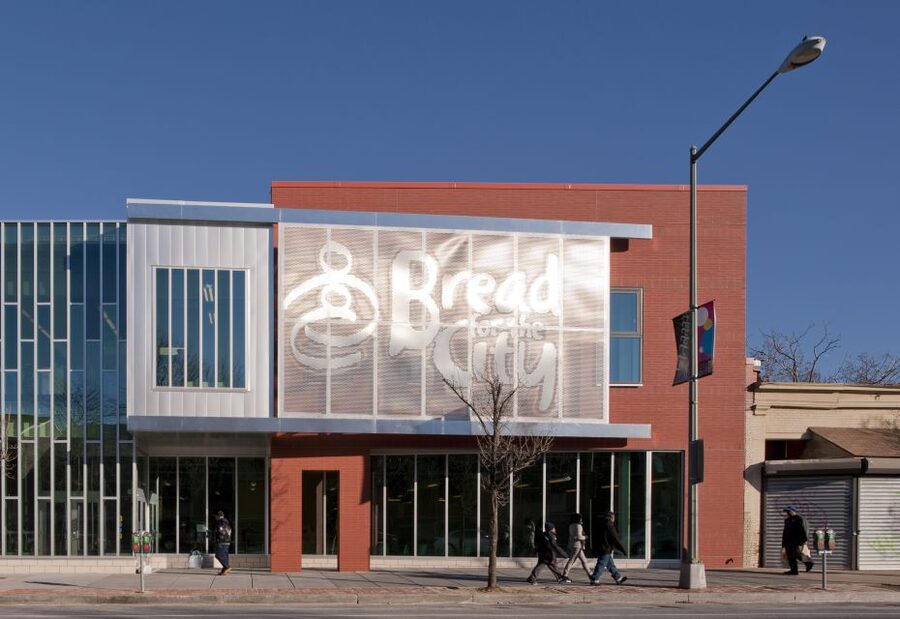
The value comes from three things working together. First, you get multiple tastings at local restaurants, described as enough for lunch in both variety and portion size. Second, you get water, a tour guide, and photos, so it’s more like an experience package than a DIY pub crawl. Third, your ticket includes a donation to Bread for the City, giving the outing a real-world impact beyond your own appetite.
Yes, some people call the price steep. If you’re expecting a couple of samples, it’ll feel pricey. If you want a guided walk that turns Georgetown into a tasting-and-history session, it often feels justified because you leave with both full belly and better context.
Who This Tour Fits Best (And Who Should Skip)
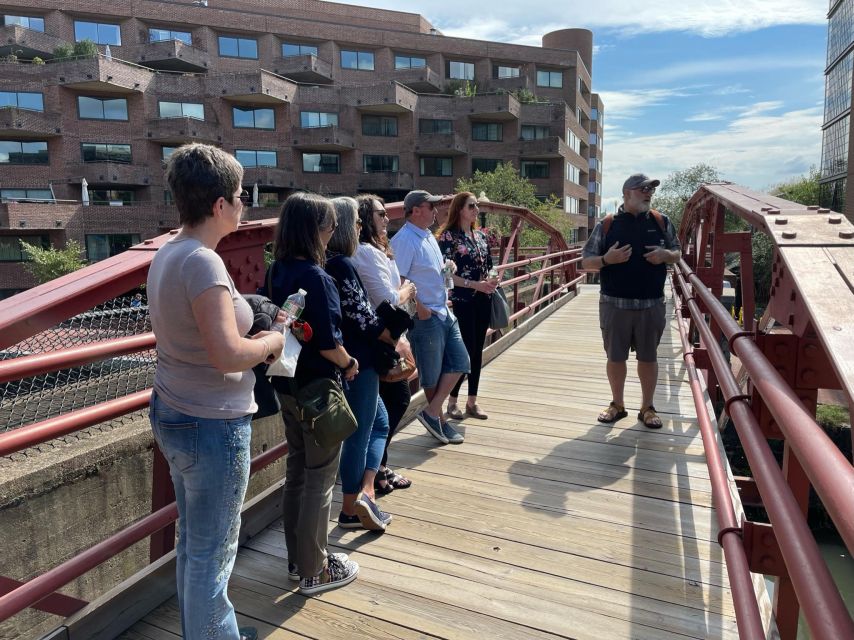
This tour fits best if you:
- Want to see Georgetown, one of Washington, D.C.’s oldest and most iconic neighborhoods, without trying to plan the route yourself.
- Like food variety more than repeating one comfort cuisine.
- Enjoy learning small history facts that connect directly to what’s in front of you.
- Prefer small groups of up to 8 people, where questions feel welcome.
You should skip or reconsider if you:
- Are vegan.
- Need gluten-free due to gluten intolerance.
- Need to avoid dairy because of lactose intolerance.
That restriction is real and clearly stated. Don’t gamble with hope. If you need a specialized diet, choose a different tour that can actually support it.
Smart Tips for Making the Most of Your 3 Hours
Plan to eat lunch on this tour, not before it. Even with the walk’s short distance, the tastings are designed to add up.
Go in wearing shoes you can walk a mile and a half on without suffering. You’ll also be stopping for photos, and the “stand and look” time adds up.
Bring curiosity. The tour works best when you treat it like a guided conversation with Georgetown itself. When you ask questions about what you’re tasting, the history points make more sense, and the food stops stop feeling random.
Should You Book This Georgetown Food Tour?
If you want a guided way to experience Georgetown beyond shopping and sightseeing, I think this is a strong pick. The combination of generous tastings, multiple cultural stops, and neighborhood storytelling is exactly what makes a food tour worth paying for.
If you need vegan, gluten-free, or dairy-free support, don’t book this one. The stated restrictions are firm.
Otherwise, if you’re looking for an afternoon that ends with you full, informed, and with photos from the walk, this tour is an easy yes.
FAQ
How long is the Washington D.C. Taste of Georgetown Walking Food Tour?
It lasts about 3 hours.
What is the walking distance?
The walk covers approximately 1.5 miles over the 3-hour tour, depending on group size.
Where do we meet and where does the tour end?
Meet at Green Almond Pantry and finish at Brasserie Liberté.
How big is the group?
It is a small group limited to 8 participants.
Does the tour run in bad weather?
Yes. Tours operate rain or shine.
Is water included?
Yes, water is included.
What food issues should I know about?
This tour cannot accommodate vegan diets or those with dairy or gluten allergies.
Are photos included?
Yes. The guide takes electronic photos during the tour.
More Tour Reviews in Washington Dc





Georgetown, Block by Block





More to book around Washington Dc
- The Public Group Scooter Tour of DC’s National Mall
★ 5.0 · 3 reviews - National Mall Highlights with Cherry Blossom & Arlington Cemetery
★ 3.5 · 3 reviews - Private Washington DC Monuments Day or Night Bike Tour
★ 5.0 · 3 reviews - Private Tour with US Capitol Or Archives Or Washington Monument
★ 3.5 · 3 reviews - Washington DC Private Guided Bus Day Tour with Step Off Guide
★ 5.0 · 3 reviews - 3-Hour Small Group Memorial Tour in Washington, D.C.
★ 4.0 · 3 reviews
Georgetown Tours, compared.
 ★ 5.0Ghosts of Georgetown & The Exorcist Steps Walking TourFrom $39610 reviews
 ★ 5.0Georgetown Foodie Culinary Tour & Neighborhood WalkFrom $79437 reviews
 ★ 4.5Gastronomic Georgetown Walking Food TourFrom $84373 reviews
 ★ 5.0Historic Georgetown: History, Gossip, & Architecture Walking TourFrom $49321 reviews
 ★ 4.5Tastes of Georgetown Food & History Small Group Walking TourFrom $129203 reviews
 ★ 5.0The Escape Game DC: 60-Minute Adventure in GeorgetownFrom $38135 reviews
 ★ 5.0Acquired Taste Food Tour in GeorgetownFrom $95105 reviews
 ★ 4.7Ghosts of Georgetown Haunted History Nighttime TourFrom $3980 reviews
Browse the lists this tour appears in