
REVIEW · GETTYSBURG BATTLEFIELD TOURS
Gettysburg’s Historic Taverns: An Evening Walking Tour
Gettysburg gets a different lens after dark. This 1-hour evening walk connects historic tavern sites to the day-to-day life that mattered long before the battle story takes over. I like the way the route is designed for a relaxed pace while still feeling purposeful.
Two things I especially liked: the tour runs with a small group cap of 6, so you can actually ask questions, and the guiding style can turn into a real conversation. In one highlight I’d point to, the guide Karen handled questions easily and even tossed in extra context around each stop.
The main consideration: this is more of a guided walk to historic places tied to taverns, not a guaranteed stop inside a preserved, operating tavern. If you want that inside-the-door experience, go in expecting streets, locations, and explanations.
Key things to know before you go
- Small group (max 6 travelers) keeps it personal and question-friendly
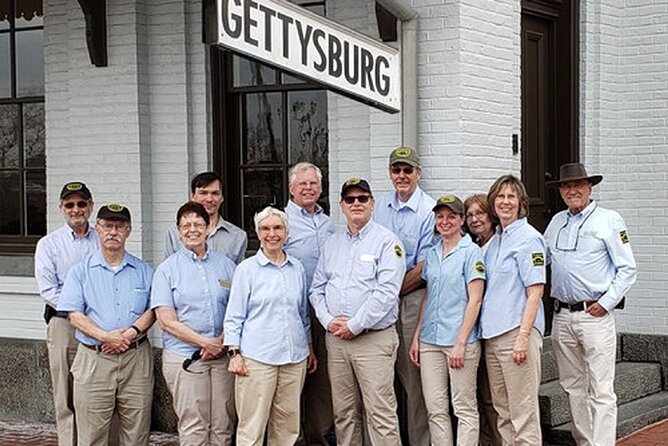
- Gettysburg Licensed Town Guides lead the walk in English
- You’ll see tavern-linked stops like Samuel Gettys Tavern, Globe Inn, Eagle Hotel, and Washington Hotel
- About 1 hour on foot means quick context, not a long wandering day
- Mobile ticket helps you get started fast, near public transportation
Other ways onto the battlefield
Entering the Evening Scene at Hotel Gettysburg
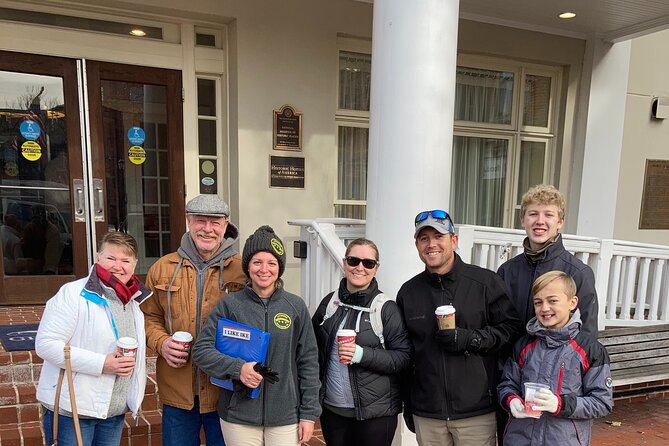
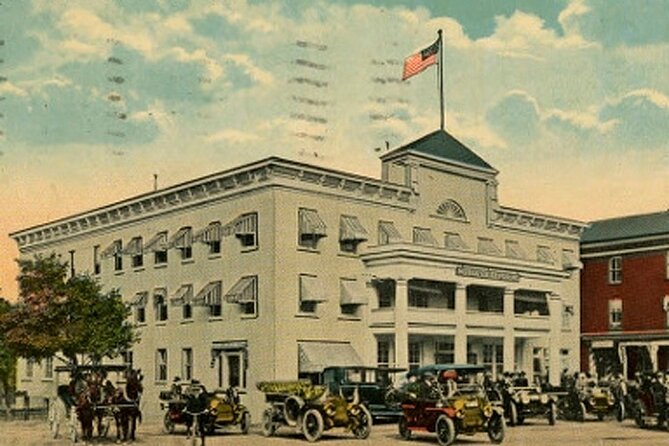
The tour starts at Hotel Gettysburg on Lincoln Square, and it ends back at the same meeting point. That simple loop matters because it keeps the night plan easy, especially if you’re mixing this with dinner or other Gettysburg stops.
For a $25 ticket, you’re buying time with a guide plus a tight walking route, not a museum ticket or a long drive. The “about 1 hour” timing also helps you avoid the classic problem of an evening tour that eats your whole night. In practice, it’s a good add-on even if you already have battle-focused plans earlier in the day.
One more reason this format works: it’s built for a small group. A max of 6 travelers means the guide isn’t juggling a crowd. You’re more likely to get answers on the spot, and the walk stays lively instead of becoming a lecture.
The tour requires good weather. That’s not a minor detail, since it’s an outdoor evening walk. If the forecast looks iffy, it’s worth dressing for cool air and planning for a prompt start when the tour runs.
The Tavern Angle: Why Pubs Matter in a Town’s Story
What makes this tour stand out from the usual “tour of battle sites” approach is the focus on social life. Taverns and inns were not just places to grab a drink. They were where news moved, where locals met travelers, and where conversations shaped what people believed and remembered.
You’ll notice the guide’s approach leans on interpretation as much as narration. You’re not only hearing the names of historic areas. You’re getting the sense of how these places fit into the 18th and 19th century rhythm of life, and why that “pub culture” matters when you’re trying to understand a community.
This is also where expectations can make or break your experience. Some visitors come hoping to see clearly preserved taverns, or to step inside one authentic spot. Others enjoy the detective angle, where you learn how the town’s physical locations tie into stories even when the original building no longer functions the way it once did.
If you want the most out of the walk, arrive with one simple mindset: treat each stop like a clue. Listen for what connects the site to daily life, and don’t be shy about asking why the guide is emphasizing one location over another.
Samuel Gettys Tavern: Starting With a Name That Anchors the Walk
The tour begins with the Gettysburg area and then moves through several tavern-linked stops. One of the first named highlights is Samuel Gettys Tavern. Even without getting stuck on dates, a stop like this works as an anchor because the guide can connect the tavern idea to a specific, named place in town.
When you’re outside, your job is to slow down and look at the street structure around the location. The goal isn’t to “spot something obvious.” It’s to let your guide’s explanation help you see why that spot made sense for travelers, gatherings, or conversation. The street corners in small towns can be surprisingly influential, because that’s where people naturally cross paths.
One drawback to keep in mind: you might not get an “inside view” here. Depending on what exists at the location today, you could be standing at a historic point while the guide explains what the tavern meant then. That can still be satisfying if you enjoy learning from place-based context.
More walking, less waiting
- Gettysburg: 1863 Historic Downtown Walking Tour★ 4.9 · 306 reviews
- Gettysburg One-Hour Walking Tour: The Civilian Experience★ 5.0 · 121 reviews
- Gettysburg: The Civilian Experience Guided Walking Tour★ 4.8 · 65 reviews
- Gettysburg One-Hour Walking Tour: Danger & Courage★ 4.5 · 47 reviews
- Gettysburg: Beer, Wine, and History Guided Walking Tour★ 4.3 · 41 reviews
McClellan House: Reading Daily Life Between Big Historical Events
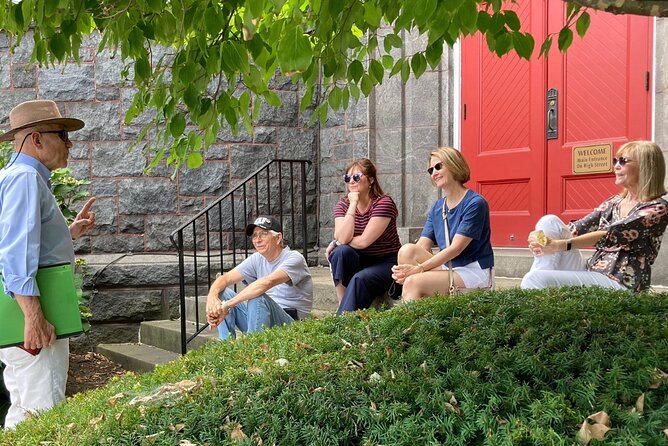
McClellan House is another named stop. This kind of location helps the tour balance out the big, dramatic narratives with the routines that kept a community functioning. Even if you’re primarily in Gettysburg for Civil War sites, this is the angle that makes the town feel lived-in.
On a walk like this, you’ll get more from paying attention to the “why this place” part of the explanation. The guide’s job is to tie the location to the role taverns and inns played in the broader life of the town. That includes the idea that people talked, waited, traded news, and formed opinions in these social hubs.
If the guiding style shifts toward reading from notes, it can feel less animated. One review experience mentioned a more notebook-style delivery, which reduced the sense of discovery. My advice is to ask a question early if you want it to feel more interactive. In small groups, it usually pays off.
Globe Inn: How Inns Fit the Traveler’s Timeline
Globe Inn is on the named list, and inns are a useful lens because they connect towns to movement. They’re where travelers arrived, where they rested, and where stories crossed routes. The guide’s explanation should help you see why inns were part of a town’s information system, not only a lodging option.
As you walk, don’t rush past each named site. Instead, give yourself a quick moment to picture the basic flow of arrivals and departures. Even when a building no longer looks the way it once did, the location still suggests how people would have moved through town.
If you like history that feels practical, this stop style is a good match. It’s not just facts. It’s the sense of what daily life looked like for people coming through Gettysburg for work, travel, and visits.
Eagle Hotel: When a Building Type Becomes a Social Magnet
Eagle Hotel is another key stop name. Hotels and similar inns functioned like social magnets because they mixed locals with visitors. That mix matters when you’re trying to understand a place like Gettysburg, where news and travelers could shape what people heard and discussed.
One of the strengths of a licensed town guide format is that you’re typically getting a grounded explanation tied to the specific town context. The provider for this walk is Gettysburg Licensed Town Guides, and the structure is designed to keep the story connected to where you are standing.
If you’re the kind of traveler who enjoys learning in short bursts, the hour-long format works well. You get multiple stops with enough context to tie them together, without the burnout you can feel on longer tours.
Washington Hotel and the Finish Back to Lincoln Square
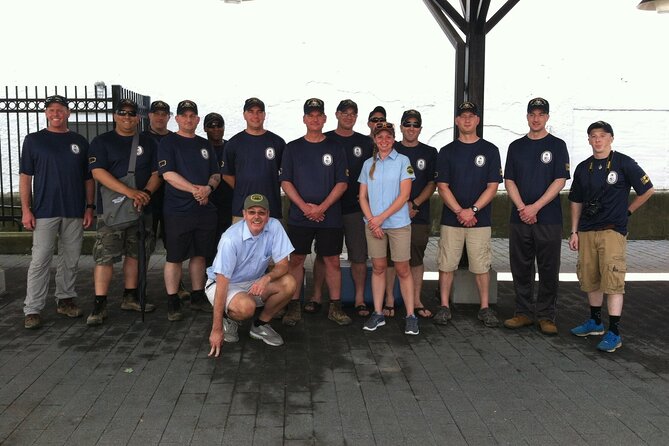
Washington Hotel is included as well, rounding out the set of named, tavern-linked stops you’ll hear about during the walk. The Washington Hotel stop also helps reinforce the theme: these places were central to social life, and guides can use that to explain how towns gathered stories and shared them.
Because the tour returns to the starting point at Hotel Gettysburg, you can treat it like a clean evening chapter. I like this because it makes it easier to continue your night plan. You can head to dinner afterward without having to solve logistics or backtrack.
This “walk, learn, return” rhythm also fits well with the group size. With only up to 6 travelers, you’re likely to stay comfortable during the whole hour. The pacing tends to stay manageable, and the guide can adapt if you have questions.
Price, Value, and What $25 Actually Buys You
Let’s talk value, since this is a common question with walking tours. At $25 per person for about an hour, you’re paying for guided context, not for entries into paid attractions. The included info also says all fees and taxes are covered, which matters because it reduces surprises at checkout.
The best way to judge this price is by your preferred style of sightseeing. If you like guided walking that gives you names, context, and place-based explanation, the value is strong. You’re getting a tight route through multiple tavern-related stops, plus the chance to ask questions.
If you want a “wow” experience centered on stepping inside a single old tavern, this may not fully match that. Even in the more positive experiences, the focus stays on historic places and what they represented. You should think of it as a story walk about tavern culture, not a guaranteed inside-historical-venue tour.
In short: it’s good value if your goal is understanding how the town worked socially. It’s less ideal if your goal is purely visual, preserved interiors.
Who This Tour Fits Best (and Who Should Skip It)
This experience is a great match for:
- You want a break from battle-only sightseeing and want Gettysburg through everyday life
- You enjoy short walking tours where you can ask questions in a small group
- You care about how social places shaped conversation and community in the 18th and 19th centuries
It might not be your best pick if:
- You’re expecting to sit down in a historic tavern building during the tour
- You prefer highly interactive guiding with lots of back-and-forth every stop, and you don’t want any scripted notes at all
The nice part is that the group size can help. With max 6 travelers, even a more structured delivery still gives you chances to ask, clarify, and steer your curiosity.
Booking Smart: Weather, Timing, and Making It Worth It
This tour is offered in English and uses a mobile ticket. I recommend booking with enough lead time so you can choose a date when the weather looks best. The data also suggests it’s commonly booked around 15 days in advance, so waiting until the last minute can shrink your options.
Also, bring the mindset that your experience depends on the guide’s delivery style. One guide example included Karen doing well, engaging in dialogue, and answering questions even with limited experience running that specific tour. Another experience described a more note-reading approach. Same tour concept, different energy.
To get the most, do two things:
- Ask at least one question early so you set a tone of interaction
- If you’re hoping for an authentic stop to enter, clarify your expectation at the beginning by asking what the stops look like today
That’s the fastest way to align the tour format with what you personally want.
Should You Book Gettysburg’s Historic Taverns Evening Walking Tour?
If you want a thoughtful counterpoint to the battle sites, I think you’ll enjoy this. The tavern theme gives you a practical view of how a community talked, met, and moved information. With a small group size and licensed guides, it’s also a comfortable way to learn without feeling lost in a crowd.
Book it if you’re curious about the social side of Gettysburg and you like the idea of hearing multiple named tavern-linked stops like Samuel Gettys Tavern, Globe Inn, Eagle Hotel, and Washington Hotel explained on foot.
Skip it or pair it carefully if you’re chasing the feeling of stepping into a preserved old tavern space. This is a guided historic-place walk, and that can be satisfying, but it’s not a guarantee of inside visits.
If you’re deciding right now, my advice is simple: do it when the weather is good, wear shoes you can walk in easily, and come ready to treat each stop like a clue.
FAQ
How long is the Gettysburg historic taverns evening walking tour?
The tour is about 1 hour.
Where does the tour start, and where does it end?
It starts at Hotel Gettysburg, 1 Lincoln Square, Gettysburg, PA 17325, USA and ends back at the meeting point.
How many people are on the tour?
The tour has a maximum of 6 travelers.
What language is the tour offered in?
The tour is offered in English.
Are service animals allowed?
Yes, service animals are allowed.
What happens if the weather is poor?
The tour requires good weather. If it is canceled due to poor weather, you will be offered a different date or a full refund.
What is the cancellation window for a full refund?
You can cancel for free up to 24 hours in advance for a full refund.
More Tour Reviews in Gettysburg
- 2-Hour Gettysburg Battlefield Guided History Bus Tour with a National Park Guide
★ 4.5 · 2,201 reviews




Gettysburg, Other Ways In
- 2-Hour Gettysburg Battlefield Guided History Bus Tour with a National Park Guide
★ 4.5 · 2,201 reviews

More to book around Gettysburg
- 1 Hour Gettysburg Haunted Farm Tour
★ 5.0 · 4 reviews - Wonder Women of Gettysburg Hidden Valor By Junket
★ 4.5 · 7 reviews - Mystery!: A Gettysburg Evening Walking Tour
★ 5.0 · 6 reviews - Secrets of Gettysburg Untold Stories: Beyond the Battlefield Tour
★ 5.0 · 4 reviews - Haunted Smart Phone App Location Aware Walking Tour in Gettysburg
★ 4.5 · 8 reviews - Civil War Battlefields Self-Guided Audio Driving Tour Bundle
★ 4.0 · 5 reviews
Gettysburg Battlefield Tours, compared.
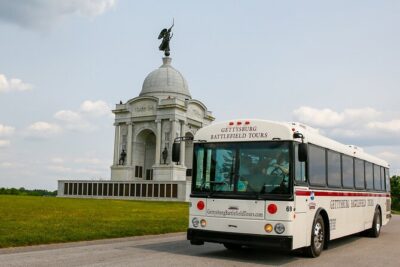 ★ 4.52-Hour Gettysburg Battlefield Guided History Bus Tour with a National Park GuideFrom $432,201 reviews
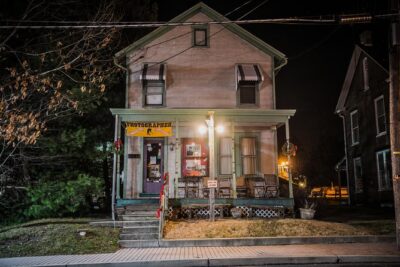 ★ 4.5Civil War Ghosts: Echoes of the Fallen Gettysburg Ghost TourFrom $32913 reviews
 ★ 4.5Gettysburg Battlefield Self-Guided Driving Audio TourFrom $16910 reviews
 ★ 4.8Gettysburg: Horse-Drawn Carriage Battlefield TourFrom $74896 reviews
 ★ 4.5Gettysburg: Ghost Hunt Tour with Ghost Hunting EquipmentFrom $28589 reviews
★ 4.3Civil War Ghosts: Echoes of the Fallen Gettysburg Ghost TourFrom $24480 reviews
 ★ 4.9Gettysburg: Licensed Guided Battlefield Horseback TourFrom $144419 reviews
 ★ 4.5Ghost Tour: History and Haunts – Family Friendly – Best in GettysburgFrom $23378 reviews
Browse the lists this tour appears in