
REVIEW · HISTORICAL TOURS
Washington DC History & Monuments Open Air Minibus Guided Tour
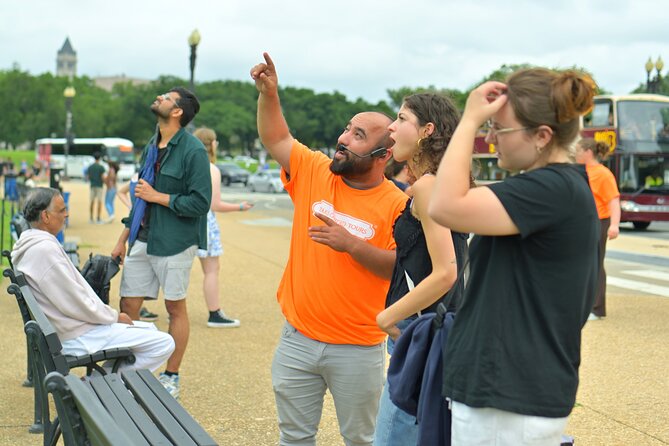
Monuments in two hours, no stress. This open-air guided minibus-style tour is built for seeing the National Mall hits fast, with a pro guide keeping the story straight while you hop between stops. I love the small-group format, and I love that the price includes a photoshoot moment for your family or group.
One thing to keep in mind: your time at each landmark is short, and the White House is a walk-by style stop, not an inside visit. If you want long museum hours or deep access, this tour is more about getting oriented and snapping photos than hanging around all day.
Key highlights you’ll actually feel
- Small group, lots of Q&A, up to 15 people, so your guide can answer real questions
- Photo-focused stops, including easy ways to frame the White House and the memorials
- Major National Mall arc in 2 hours, from Capitol Hill to the Lincoln Memorial area
- Real context at each stop, so the names on the walls start making sense
- Day or night options, with a heated-vehicle possibility on cold days depending on what’s running
- A guided plan you can extend, since the last stop lets you keep exploring on your own
Other days out with someone who knows




How this 2-hour open-air tour gets you oriented fast
Washington, D.C. can feel like a test you did not study for. You step out and suddenly there are statues, memorials, domes, and marble steps everywhere. This tour helps because it gives you a clean route that lines up the big sights in a logical order.
I like that it is built around walking by the key landmarks rather than asking you to master parking, crowds, and multiple bus transfers. In practice, that means you can spend your energy looking, not figuring out how to get from one spot to another. The guide also helps you connect the dots. You will hear what each memorial is really about, not just where it is.
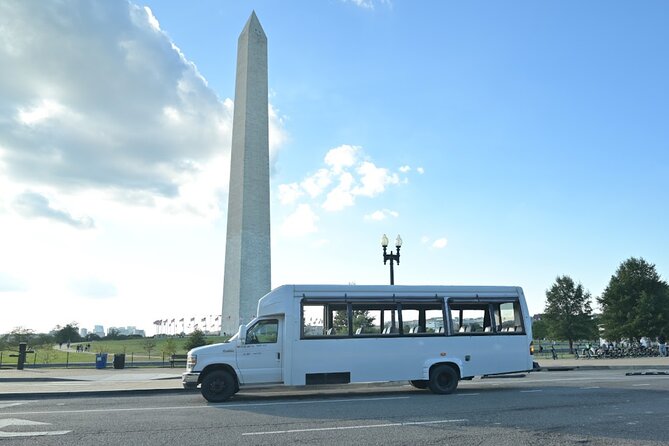
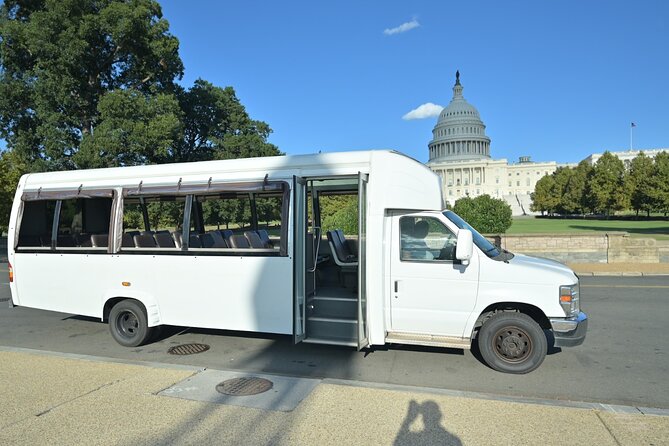
The open-air setup is a big part of the feel. You get more “outside” time than a closed bus tour. That’s great for photo angles and a sense of being right there, on the Mall. Just plan for weather. If it is hot, you will feel it. If it is cold, you will want layers.
Meeting at 333 G St NW, and why the “max 15” matters
You start at 333 G St NW, Washington, DC 20001, and the tour ends back at the meeting point. That loop matters because it keeps the logistics simple. You are not stranded halfway across town wondering how to get back.
The group size is capped at 15 travelers, and that is where the experience often improves. With a smaller group, the guide can slow down just enough for questions and photo stops. You are more likely to hear the explanation because you are not shouting across rows of strangers.
I also like the mobile ticket approach. You get a ticket you can carry on your phone, and you receive confirmation at booking. That saves time at the start, which matters when you are trying to make the most of a short D.C. day.
Capitol Hill: where politics meets classic architecture
The first meaningful anchor is Capitol Hill, one of the most iconic neighborhoods in the city. You get to see the area’s scale up close and learn why it is such a gravity well for American politics.
Capitol Hill is also a useful “first stop” because it sets the tone. From here, the rest of the tour makes more sense. You are not just collecting monuments. You are seeing how the U.S. tells its story, in stone and symbolism, across different eras.
Your time here is brief, and that is the trade-off. You might not leave feeling like an expert on the building’s details. But you should leave with a mental map, and that is exactly what you need for the next two hours.
Deeper into the record
- Guided African American History Tour with Reserved Museum Entry★ 4.5 · 1,180 reviews
- DC Monuments & History Guided E-Cart Tour-Blankets★ 4.5 · 450 reviews
- Smithsonian Museum of Natural History – Exclusive Guided Tour★ 5.0 · 446 reviews
- African American History Tour with Museum of African American History Ticket★ 4.5 · 390 reviews
- Historic Georgetown: History, Gossip, & Architecture Walking Tour★ 5.0 · 321 reviews
National Gallery of Art, then the “quiet breaks” that keep you sane
After Capitol Hill, the route swings into culture. The National Gallery of Art is a huge draw in D.C., and the highlight here is that admission is free. That makes it a great option to pair with the tour if you want to continue later.
A short guided stop like this can still be useful. The guide helps you understand what kind of collection you are looking at, so if you return on your own, you know where to aim your time. With limited vacation days, that matters.
Then you get a breather at the U.S. Botanic Garden. This is one of the best contrasts in D.C. You go from big symbolism and government buildings to a garden setting with themed displays and a conservatory feel. Even if you only spend a moment there during the ride, it helps reset your head before the more emotionally heavy memorials later on.
National Museum of African American History and Culture: powerful, interactive, unforgettable
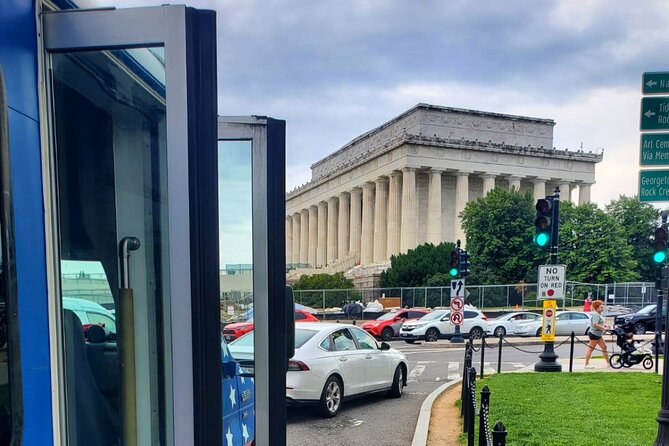
One of the most important stops is the National Museum of African American History and Culture. This is not a quick-photo-only type of place. It is built to hit you through interactive exhibits and stories, and it covers Black history, culture, and contributions in a way that stays with you.
On a short guided circuit, you cannot absorb everything. Still, having it placed on your route is valuable. It ensures you do not accidentally skip it just because it feels like “too much” for a first-time visit. The guide’s context helps you know what you are walking into, so your visit later, on your own time, feels less overwhelming.
This stop is also a reminder that D.C. is not only about presidents and wars. It is also about voices, rights, and community memory.
Washington Monument to the Tidal Basin: three stops, one storyline
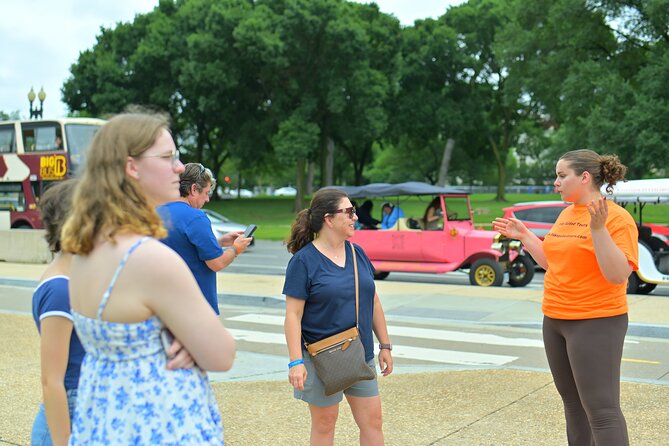
Next come classic National Mall anchors.
At the Washington Monument, you get a quick look at the landmark honoring George Washington, with the added bonus of learning how it fits into the city’s broader layout. The views here are part of the payoff. Even with limited time, you can appreciate the “center-of-gravity” feel of the Mall.
Then the tour shifts to the Thomas Jefferson Memorial near the Tidal Basin. Jefferson is tied to the Declaration of Independence, and the location around the water gives the stop a gentler rhythm. If you like photos, this is one of the spots where the setting helps the frame look intentional, not rushed.
You also stop at the Theodore Roosevelt Memorial, which adds a different angle. Instead of focusing only on government and law, Roosevelt connects to conservation and leadership, and the outdoor surroundings make it feel more reflective.
If you are wondering how these stops connect, think of it like this: you start with the government center, then you move through the ideas and leaders that shaped the nation, with the Mall as the moving backdrop.
MLK and Lincoln: the memorials that demand a slower look
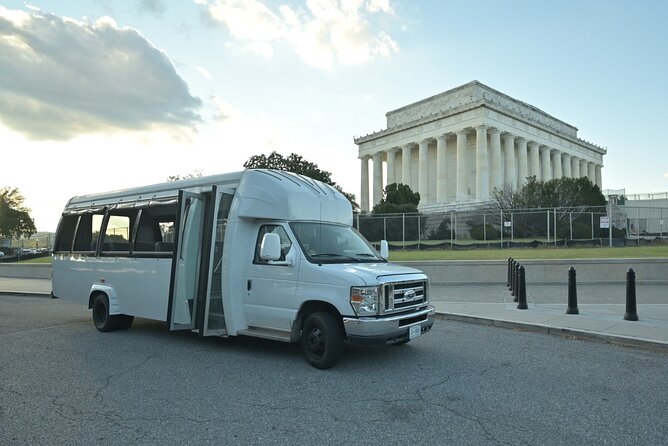
Two of the most meaningful landmarks on the route are the Martin Luther King, Jr. Memorial and the Lincoln Memorial.
The MLK Memorial is on the National Mall and is designed to hit the themes of equality, justice, and freedom. Even if your time there is limited, it is the kind of stop where you naturally stand a little longer. The guide’s explanation helps you see the design choices as more than decoration.
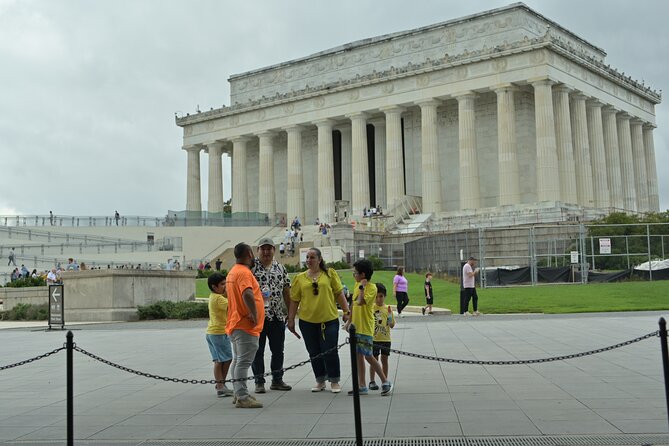
Next is the Lincoln Memorial, a landmark built around unity and democracy, with famous inscriptions that most visitors recognize even before they read them. This is a prime photo moment, too. You get a structured chance to frame the building and capture it without turning your whole tour into a waiting game.
Short stop lengths are the drawback here, because these memorials invite contemplation. The upside is that the tour gives you the baseline. After you leave, you can decide if you want to return for more time.
War memorials and Einstein: why the short stops still land
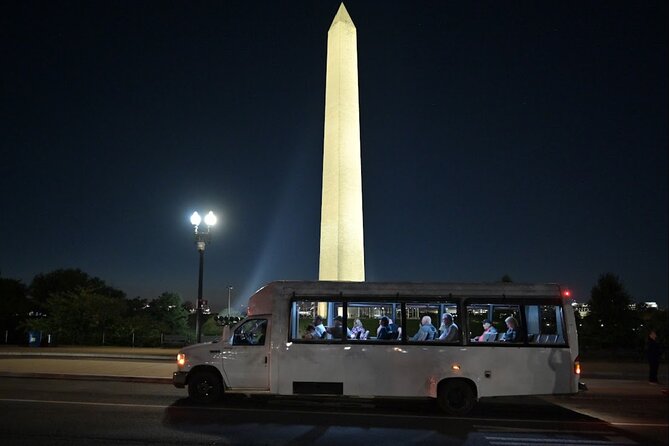
Your route continues with several monuments that are emotionally heavy and visually memorable.
The Vietnam Veterans Memorial is one of the most striking stops on the itinerary. The black granite walls list over 58,000 names. That number alone tells you how serious the memorial is. The guide’s framing helps you understand why people come here quietly, and why the names are the whole point.
Then you visit the Korean War Veterans Memorial, which includes lifelike statues and a reflective wall. It is another place where the design guides your attention. Even with limited time, you get the core idea, and you can take photos if you want, while still respecting the mood.
After that comes the Albert Einstein Memorial, which shifts you back into a science and humanity theme. It is a nice change of pace. It breaks the heaviness and gives you something hopeful to look at, which is a smart pacing move for a 2-hour tour.
This group of stops is why the tour works for first-timers. You are not just collecting postcard images. You are getting the emotional and thematic range of the National Mall in a compact format.
White House walk-by: great photos, but not an inside visit
The big headline stop is the White House. The tour includes a stop time of about 10 minutes, with admission to the White House not included. Translation: you should expect outside viewing and photo opportunities, not entering the grounds.
That setup still works for most people. The White House is one of those places where your brain already has a picture in it. Seeing it in person makes the scale click.
A practical tip for this part: treat it like your “camera checkpoint.” Use the time to get at least one wide shot that shows the building’s placement in its surroundings. Then get one closer shot that focuses on the details you can actually capture from where you are standing.
Because this is time-limited, you do not want to waste the stop asking the guide where your perfect angle is. Ask one good question, then commit to the best shot your position allows.
Optional Chinatown time, and how to extend the day
The route includes Chinatown as a lively neighborhood stop. This is a good addition because D.C. is not only monuments. Chinatown gives you a chance to break from the memorial vibe and think about food, shopping, and walking around without the pressure to keep your eyes on marble symbolism.
If you want to keep the day going, Chinatown is a straightforward place to pivot. You can also use the tour as a scouting mission for where to eat later. After two hours, you likely will have enough bearings to choose your next move without doubling back.
Day versus night: what changes in your experience
The tour offers day or night-time options. The main difference is the atmosphere. At night, monuments can feel more dramatic because of lighting and contrast. If you are doing a short visit, evening can help you “see it once” with extra mood.
That said, weather still matters because the vehicle is open-air. One review experience noted the group being in a heated van on a very cold day, so you might catch some seasonal perks depending on what is running. For planning, assume you will feel the outdoors, and dress accordingly.
If you want the cleanest photo experience and cooler temperatures, daytime can be easier. If you want the emotional impact and lighting, go evening. You do not have to overthink it, just match it to your energy level.
Price and value: is $49 a smart use of 2 hours?
At $49 per person for about 2 hours, this is priced like a “time-saver with expert guidance” option. You are paying for three things you would otherwise have to assemble yourself: transportation on an efficient route, a professional guide, and a structured set of stops that covers the core National Mall highlights.
For many visitors, the value comes from not having to figure out the connections. D.C. distances add up fast, and a short visit needs a tight plan. This tour does that for you, and it also adds photo-friendly timing, so you are not always hunting for parking or fighting crowds.
You also get group photos included. That is a small add-on, but it matters. It prevents you from relying on strangers to take decent pictures of your whole party.
Is it perfect value for everyone? Not if your goal is deep museum time or long memorial reflection. This tour is best for orientation, key sights, and snapping memorable images without burning your whole day.
Practical tips to get better photos and less stress
Here are the small choices that make the biggest difference on this kind of route.
First, plan for the weather. Open-air means you will feel conditions more than you would on a closed bus. Wear layers you can adjust, and bring a hat if it is sunny. Second, use the guide’s timing rather than fighting it. Short stops work only if you move efficiently when the group regroups.
Third, bring a power bank for your phone. Photo-heavy tours can drain batteries faster than you expect, especially if you take multiple shots at each stop.
Fourth, decide what you want most. If it is photos, stand where you can get a full landmark shot first, then do details. If it is understanding, ask one or two targeted questions so you leave with meaning, not just images.
Finally, keep an eye on pacing. The guide’s commentary gives context, and the stops give you a chance to look. The whole point is balance, not rushing past everything at speed.
Who this tour suits best
This tour fits best if you want a guided overview with time-savers. It is a great match for:
- First-time visitors who want major National Mall highlights in one easy block
- Families and multi-age groups because the stop times are short and the guide keeps it moving
- Couples who want iconic photos without planning a route from scratch
- Solo travelers who want structure and someone to answer questions
It may not be ideal if you want long, independent time at the Vietnam Veterans Memorial, the MLK Memorial, or the National Museum stops. This tour is the on-ramp. If you want the whole experience, you will likely return on your own after getting your bearings.
Should you book this Washington DC monuments tour?
If your priority is to see the biggest monuments and get your bearings quickly, I think booking makes sense. For two hours, this tour covers a lot of the National Mall in a way that feels guided, not chaotic. The small group helps with Q&A, and the photo stops give you better shots than you might get on a solo sprint.
Book it if you want value in time, and you like having a plan. Don’t book it if you need hours inside museums or you want extended time for reflection at any single site.
My best advice: treat this as your first DC chapter. Then build the rest of your trip around what you cared about most, and come back for the deeper visit where you want more than a quick look.
FAQ
How long is the Washington DC History & Monuments open-air guided tour?
It runs for about 2 hours.
What does the tour cost?
The price is $49.00 per person.
Where does the tour start?
The meeting point is 333 G St NW, Washington, DC 20001, USA.
How many people are in the group?
The tour has a maximum of 15 travelers.
Is the tour offered in English?
Yes, it is offered in English.
Are there day and night options?
Yes, there are day or night-time options available.
Is there a mobile ticket?
Yes, it includes a mobile ticket.
Does the tour include admission to the White House?
White House admission is not included.
What stops and sights are included during the route?
Stops include Capitol Hill, Washington Monument, Thomas Jefferson Memorial, Martin Luther King Jr. Memorial, Lincoln Memorial, Vietnam Veterans Memorial, Korean War Veterans Memorial, Albert Einstein Memorial, the White House (walk by), plus stops such as the National Gallery of Art, U.S. Botanic Garden, and the National Museum of African American History and Culture, with Chinatown also included.
What is the cancellation rule if my plans change?
You can cancel for a full refund if you cancel at least 24 hours before the experience starts. If you cancel less than 24 hours before, the amount paid will not be refunded.
More Tours in Washington DC





More Tour Reviews in Washington DC
More to book around Washington DC
- The Public Group Scooter Tour of DC’s National Mall
★ 5.0 · 3 reviews - National Mall Highlights with Cherry Blossom & Arlington Cemetery
★ 3.5 · 3 reviews - Private Washington DC Monuments Day or Night Bike Tour
★ 5.0 · 3 reviews - Private Tour with US Capitol Or Archives Or Washington Monument
★ 3.5 · 3 reviews - Washington DC Private Guided Bus Day Tour with Step Off Guide
★ 5.0 · 3 reviews - 3-Hour Small Group Memorial Tour in Washington, D.C.
★ 4.0 · 3 reviews
Historical Tours, compared.
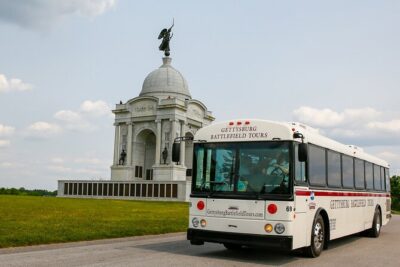 ★ 4.52-Hour Gettysburg Battlefield Guided History Bus Tour with a National Park GuideFrom $432,201 reviews
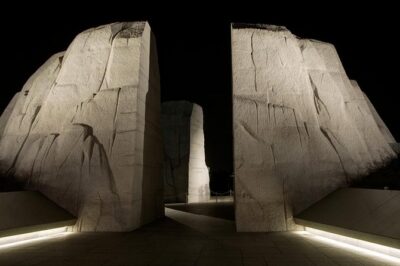 ★ 4.5Guided African American History Tour with Reserved Museum EntryFrom $891,180 reviews
 ★ 4.5DC Monuments & History Guided E-Cart Tour-BlanketsFrom $52450 reviews
 ★ 5.0Smithsonian Museum of Natural History – Exclusive Guided TourFrom $89446 reviews
 ★ 4.5Baltimore’s Historical Sightseeing TourFrom $44437 reviews
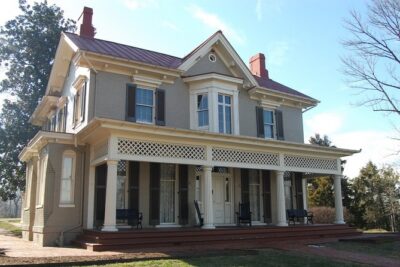 ★ 4.5African American History Tour with Museum of African American History TicketFrom $90390 reviews
 ★ 4.5Ghost Tour: History and Haunts – Family Friendly – Best in GettysburgFrom $23378 reviews
 ★ 5.0Historic Georgetown: History, Gossip, & Architecture Walking TourFrom $49321 reviews
Browse the lists this tour appears in