
REVIEW · TIDAL BASIN & CHERRY BLOSSOM TOURS
Washington DC Cherry Blossoms By Bike Tour
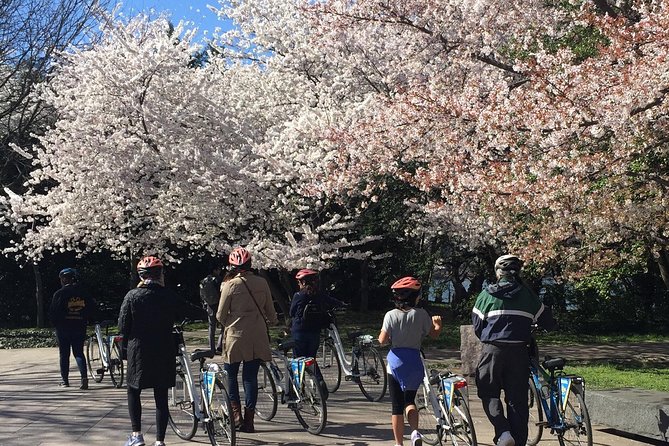
Spring in DC looks best at bike speed, mostly. This easy 2-hour bike tour takes you through the Tidal Basin and East Potomac Park for cherry-blossom photos, with stops at major monuments. I also love how the ride stays mellow, and how guides help you aim for the best views without turning it into a chaotic sprint. One thing to plan for, especially during peak crowds, is that you may spend more time slowing down or even walking your bike than you expect.
You start at your chosen morning or afternoon meet-up, get fitted to the bike, and roll out with a professional guide who paces the group and keeps you moving through one of DC’s most photogenic loops. Guides you might encounter include names like Aiden, Wally, Bianca, Greg S, Greg H, and Dave, and the common theme is clear instructions plus good crowd handling.
The best value is when you want a guided way to see several cherry-blossom icons in a short window, without renting bikes and figuring out routes while you’re trying to beat the crowds. The main drawback is timing: if you hit the busiest hours, the paths can turn into sidewalk traffic and biking can feel more like careful rolling with stops.
Quick hits
- A smooth 2-hour loop around the Tidal Basin and East Potomac Park for cherry-blossom photos
- Memorial stops without the stress, including a walk-through at the MLK Memorial while your bikes stay nearby
- Japanese Lantern context at the site of the first cherry-tree planting by First Lady Taft and Viscountess Chinda
- Festival energy built in, since the ride runs during the National Cherry Blossom Festival
- Small group size with a stated maximum of 15 riders, though crowds can still slow everything down
Other routes on two wheels

Why bike the Tidal Basin instead of just walking it?
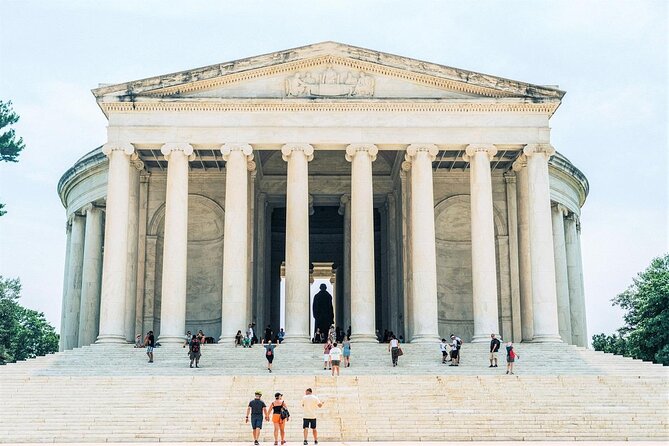
If your goal is to see the cherry trees around the Tidal Basin, biking is a smart shortcut. You cover ground faster than you can on foot, and you get a guided rhythm: look, stop, photograph, move on. That matters in DC spring, because time gets swallowed fast by crowds.
This route is also tuned to how people actually want to enjoy the day. You are not doing a hardcore ride or climbing hills. It is a flat, friendly circuit that keeps you close to the water, with sweeping views over the Tidal Basin and the reservoir area between the Potomac River and the Washington Channel.
I like that it combines the blossoms with recognizable landmarks. You are not just chasing pink petals, you are also seeing the Franklin Delano Roosevelt Memorial, the Martin Luther King, Jr. Memorial, and the Jefferson Memorial, all places that make your photos feel grounded in DC’s story, not just pretty seasonal scenery.
The big reality check is that you are still in festival season. If you want free, uninterrupted bike time, this may frustrate you at peak hours. Even with a good guide and a small group, you will be sharing space with foot traffic, and in some spots biking turns into slow, stop-and-go movement.
Tour dates and timing: how to plan around cherry peak (April 3 to 6)
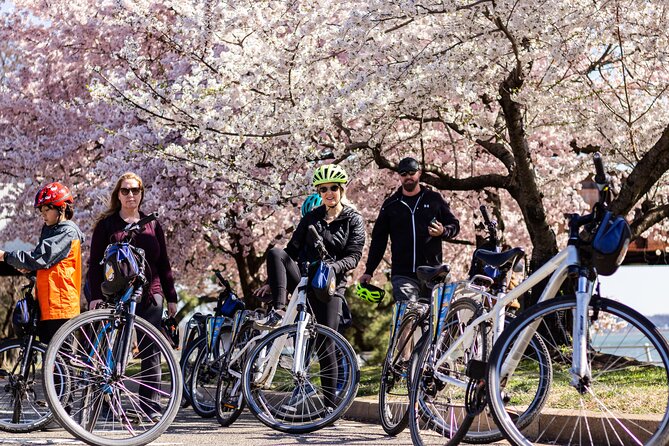
The tour runs March 20 to April 11, so you get a wide window to find decent bloom. Peak cherry-blossom blooming dates are April 3 to 6, based on the National Park Service. If you aim around those days, you will likely see the most trees in full display, but you should also expect the biggest crowds.
Booking earlier usually helps because tours can sell out. On average, this one is booked about 24 days in advance, which is typical for DC during spring when everyone has the same idea.
If you book before or after peak, you still get something worth seeing. In many years, you can catch partial bloom, longer stretches of blossoms on the edges, and plenty of photo-ready trees. The key is resetting expectations: it is not always about full-on peak everywhere, it is about getting great views at multiple spots along the route.
My practical advice: pick the date you can, then pick the time of day that gives you the smoothest experience. If the morning or afternoon slot you prefer is packed, consider whether your goal is maximum bloom or maximum bike time. You can have both sometimes, but peak hours can tip the balance toward crowds.
Start point at 701 D St NW, bike fitting, and what to bring
The meet-up is at 701 D St NW, Washington, DC 20004. Check in matters here. The tour starts on time, and you must check in 15 minutes prior to departure. If you show up late, they cannot guarantee they can bring you in.
Once you arrive, you get fitted to your specific bike size. Helmet use is mandatory, and you will have equipment guidance from staff. The goal is to get you comfortable before the crowd pressure starts.
What I would bring, based on how crowded the Tidal Basin can get in spring:
- A light rain layer or warm jacket, since DC weather can swing fast
- Comfortable shoes for the moments you might need to walk your bike
- Sunscreen and sunglasses, since the stops around open water expose you
- Water, especially on warmer days (the tour does not mention water being included)
If you are traveling with kids, this is one of the easier ways to include them. There is equipment for kids of all sizes, and toddler trailers and tag-a-longs are available if you buy a child ticket and let the operator know in advance.
- DC Memorials Night Tour: Glass-Roof Convertible Upgrade Option★ 4.5 · 6,933 reviews
- National Mall Monuments Night Tour with 10+ Stops, Entry Tickets★ 4.5 · 4,863 reviews
- Washington DC Monuments by Moonlight Tour by Trolley★ 4.5 · 3,956 reviews
- Hop-on Hop-off Sightseeing Tour by Open-top Bus with 18 Stops★ 3.5 · 3,848 reviews
- Washington DC in One Day: Guided Sightseeing Tour★ 4.5 · 3,360 reviews
The Japanese Lantern stop: Taft and Viscountess Chinda’s first trees
The first stop is the Japanese Stone Lantern, and it is not just a pretty photo point. This lantern marks the site where the very first cherry trees were planted by First Lady Taft and Viscountess Chinda. That detail turns your first blossoms sighting into a mini history lesson, without slowing the tour down too much.
Expect about 10 minutes here, with time to look around and get your bearings. If you like context while you travel, this is a strong start. You see how the cherry connection is rooted in diplomacy, not just decoration for spring.
It also gives you something practical for the rest of the ride. Once you understand the origin story, the later memorial stops feel more purposeful. You are not floating between landmarks, you are stacking meaning while you photograph.
Franklin Delano Roosevelt Memorial: the Pagoda gift of peace
Next up is the Franklin Delano Roosevelt Memorial, again with a short, focused stop of about 10 minutes. The centerpiece you will aim for is the Pagoda, described as a gift of peace along the banks of the Tidal Basin.
This is one of those places where the view does half the work for you. When the cherry blossoms are in bloom, you get a layered scene: memorial structures, water in the background, and the pink-white canopy. Photos come out better because you are not just shooting one angle, you are naturally positioned for multiple perspectives as you regroup with the guide.
A good tour guide matters most around here because you are balancing spectacle with flow. The group needs to pause, stay aware of pedestrians, and then move before the next crowd wave. On tours where guides named Greg S and Dave were at the helm, the pacing tends to feel organized and calm, with quick direction that helps you avoid wandering off.
Martin Luther King, Jr. Memorial: respect-first biking, then a walk
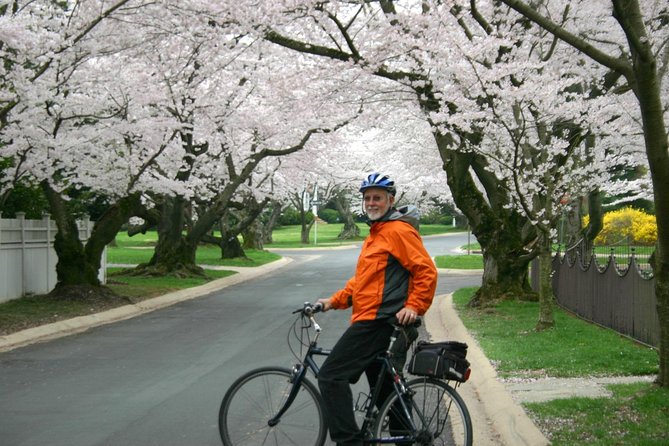
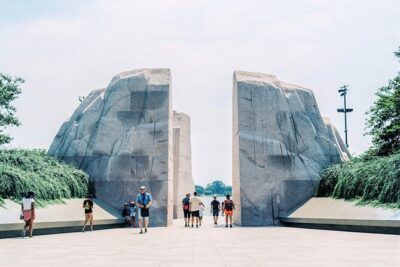
The Martin Luther King, Jr. Memorial stop is different in an important way: the tour avoids riding through the memorial itself. Your bikes stay with the guide while you walk inside, out of respect.
If time permits, there is a stop of about 10 minutes for you to experience the memorial on foot. You will see the Mountain of Despair and the Stone of Hope as part of that walk. Even if you have visited before, it lands differently when the walk happens between cherry-blossom moments. The setting makes your photos and your attention feel more deliberate.
This stop is also a test of how crowded the day is. If the memorial pathways are full, the pace becomes slow by nature. The upside is that this part is designed to be walk-through and not a bike-chaos situation.
One caution for your expectations: on very busy cherry-blossom days, you might end up walking more often than you planned, not because the tour is poorly run, but because DC’s festival crowds simply take over the space. Plan your patience accordingly, and the experience will feel smoother.
National Cherry Blossom Festival stop: US-Japan friendship, plus a timed break
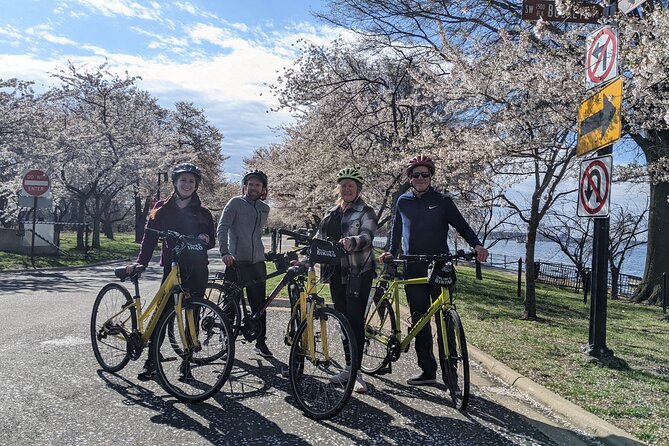
The tour runs during the National Cherry Blossom Festival, and there is a dedicated stop tied to the festival atmosphere. You get about 30 minutes at the festival area, and it is a key chunk of the experience. It gives you breathing room for photos, snacks, or just soaking in the seasonal buzz without rushing.
This festival is described as celebrating longtime friendship between the United States and Japan. That message helps you connect the cherry trees to more than aesthetics. When you pair that story with the earlier lantern and the memorial symbolism, the whole ride feels like one continuous theme rather than random stops.
There is also a real-world value angle. The tour provider is an official provider for the festival and donates a portion of each ticket sale back to the organization that coordinates the celebration. It is a nice touch when you are spending money in a high-demand season and want it to support something more than your own photos.
Jefferson Memorial views and cruising East Potomac Park
The Jefferson Memorial is the next major visual payoff, with about 20 minutes here. The big draw is the view of all the cherry trees lining the Tidal Basin. This is the classic DC cherry scene people plan their whole day around, so you will want to use this time well.
You will hear history and interesting facts from your guide while you pause for pictures. The goal is to do what walking alone often struggles with: give you enough stop time to enjoy the view while keeping the group moving through a busy area.
The route also includes East Potomac Park and a mention of the George Mason Memorial as part of what you can spot as you go. Those extra landmarks matter because they make the ride feel like more than a one-bubble destination. You pass multiple big-picture DC anchors, and you get a broader sense of the waterfront area.
If your goal is maximum photos, this is where I would focus. Look for spots where the trees frame the memorial structure, not just where blossoms are everywhere. A little framing and angle work makes a huge difference.
What the ride feels like in peak crowds: slow biking, frequent stop time
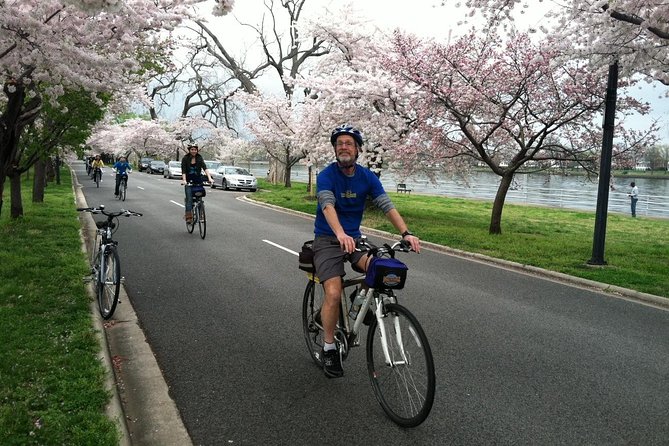
In theory, it is a bike tour. In practice, DC cherry season can turn parts of it into a careful navigation exercise.
The route includes times when you may bike on paths and sidewalks, and in very heavy foot traffic you can end up walking your bike. That is not always a sign something is wrong. It is often the reality of shared space around the Tidal Basin when crowds pack every edge.
Group size can help. The tour has a stated maximum of 15 travelers, which usually keeps you from getting separated too badly. Still, I would not assume you will hear every word from the back of the pack on the busiest days. I have seen feedback where larger-feeling groups and crowd noise made it hard to catch the guide’s info, so if you care about the narration, try to position yourself a bit closer to the front when you can.
Safety protocols can be strong, but physics wins. If pedestrians are shoulder to shoulder, bike speed cannot be safe. On days when you see lots of people crossing in unpredictable patterns, the guide may steer you toward safer movement, even if it means more stopping than you expected.
My practical takeaway: treat this tour as a guided way to reach top cherry views, not as a ride where you will cruise. If you keep that mindset, you are more likely to enjoy it even on a crowded day.
Value and price: why $65 makes sense for a guided cherry day
At $65 per person for about 2 hours, you are paying for more than “bike rental.” You are paying for a guide to manage timing, choose route flow, and connect the scenery to the story.
You also get:
- A professional guide
- Use of a bicycle
- Helmets
- Equipment for kids, plus trailer options for younger riders
That matters in spring, because the biggest challenge in DC cherry season is not distance. It is chaos management. A guide helps you avoid wandering into bad spots or losing time while you figure out what is worth seeing first.
The trade-off is that you need to show up with realistic expectations. The tour price is for a guided experience around the Tidal Basin area, not a guaranteed ability to bike freely through empty lanes. When crowds are extreme, biking time can shrink.
If you are an experienced cyclist who wants maximum riding, you may prefer renting on your own and building a flexible loop. But if you want a structured, low-effort way to see the key cherry areas and major memorials in a short window, this price can feel fair, especially because the guide work reduces decision fatigue.
Kids, bikes, and who this tour fits best
This is a good option for families and mixed ages because the ride is described as most travelers can participate, and the tour provides bike equipment for kids of all sizes. Helmets are mandatory, which is a reassuring baseline for safety around crowds.
For toddlers, there are toddler trailers available, and for kids who can ride, tag-a-longs are offered. You need to buy a child ticket and let the operator know you want the attachment in advance.
When it comes to kids, my advice is simple: bring the right spirit. This is not a long “ride until lunch” adventure. It includes stops, walking segments, and lots of people. If your child enjoys seeing monuments and looking for cherry trees, this will feel fun and doable. If your child hates crowds, consider off-peak timing or walking instead.
As for adults, it is a great fit if you:
- Want a guided introduction to the Tidal Basin cherry-view circuit
- Have limited time in DC
- Prefer an easy pace over a long DIY day
Final verdict: should you book Blossoms by Bike?
Yes, if your priority is a guided cherry-blossom day that hits the Tidal Basin and major memorials in a compact time window. The route design makes it easy to take in iconic sights like the FDR Pagoda, the MLK Memorial walk, and the Jefferson Memorial cherry-view moments without spending hours coordinating logistics.
Think twice if your priority is uninterrupted biking at speed, or if you know you struggle with dense crowds and noise. On the busiest days, expect slow movement, sidewalk-level navigation, and possible extra walking with your bike. That does not mean the tour is a failure, it means cherry season is crowd season.
My best booking strategy: choose a date you can handle for crowds, show up early to check in, position yourself where you can hear your guide if narration matters, and bring layers and water. Do that, and you will likely come away with the one thing this tour is built for: a memorable DC cherry-blossom loop, guided, timed, and photo-friendly.
FAQ
How long is the Washington DC Cherry Blossoms by Bike Tour?
It runs for about 2 hours.
How much does the tour cost?
The price is $65.00 per person.
What dates does this tour run?
The tour runs from March 20 to April 11.
Where do I meet for the tour?
Meet at 701 D St NW, Washington, DC 20004, USA.
Is a bike and helmet included?
Yes. The tour includes use of a bicycle and a helmet, and helmet use is mandatory.
What stops are included on the route?
You can expect stops at the Japanese Lantern, Franklin Delano Roosevelt Memorial, Martin Luther King, Jr. Memorial (if time permits), the National Cherry Blossom Festival area, and the Jefferson Memorial.
Do you ride through the memorials?
No. The guide keeps the bikes with the group while you walk through the memorial areas, including the MLK Memorial.
Is this tour suitable for kids?
Most travelers can participate. The tour provides equipment for kids of all sizes and includes mandatory helmets. Toddler trailers and tag-a-longs for young riders are available if you purchase a child ticket and notify the operator in advance.
How large is the group?
The tour has a maximum of 15 travelers.
What happens if weather makes riding dangerous?
If the tour is canceled due to dangerous riding conditions, you will be offered a different date or a full refund.
More Tours in Washington DC





More Tour Reviews in Washington DC
More to book around Washington DC
- The Public Group Scooter Tour of DC’s National Mall
★ 5.0 · 3 reviews - National Mall Highlights with Cherry Blossom & Arlington Cemetery
★ 3.5 · 3 reviews - Private Washington DC Monuments Day or Night Bike Tour
★ 5.0 · 3 reviews - Private Tour with US Capitol Or Archives Or Washington Monument
★ 3.5 · 3 reviews - Washington DC Private Guided Bus Day Tour with Step Off Guide
★ 5.0 · 3 reviews - 3-Hour Small Group Memorial Tour in Washington, D.C.
★ 4.0 · 3 reviews
Tidal Basin & Cherry Blossom Tours, compared.
 ★ 4.5The DC Cherry Blossom Bus Tour with Tidal Basin Guided WalkFrom $59151 reviews
 ★ 4.5National Mall & Cherry Blossoms Tour with Optional Museum TicketsFrom $59112 reviews
 ★ 4.5National Mall & Cherry Blossoms with Washington Monument TicketFrom $5921 reviews
 ★ 3.5DC Kenwood Cherry Blossoms Half-Day Small Group TourFrom $4517 reviews
 ★ 4.5NYC to D.C Day Trip: Thomas Jefferson Memorial to Cherry BlossomsFrom $14317 reviews
 ★ 4.5Cherry Blossom & Monuments Tour with Washington Monument, MuseumsFrom $598 reviews
 ★ 4.5Cherry Blossom Walking TourFrom $454 reviews
 ★ 3.5National Mall Highlights with Cherry Blossom & Arlington CemeteryFrom $553 reviews
Browse the lists this tour appears in