
REVIEW · SMITHSONIAN & WASHINGTON MUSEUM TOURS
Smithsonian Natural History + Museum of American History 8ppl Max
You can hit Smithsonian highlights without feeling rushed. This small-group combo pairs the Smithsonian Natural History Museum with the Museum of American History, so you walk into the famous stuff and also get the stories behind it. Best part is you get close, helpful guiding with a limit of 8 people, but note that museum security and bag rules can slow you down.
I really like how this tour keeps the day simple: a clean start at 10:00 am, guided time in both museums, and free admission to the exhibits you came for. I also like the way the route is built around the big-name crowd-pleasers, like Henry the elephant and the Hope Diamond at Natural History, then Dorothy’s ruby slippers and the First Ladies exhibit at American History. One practical consideration is that the museums can have occasional closures or timing delays, and the tour notes that in some delay situations you may not get a refund or discount.
Key Points I’d Prioritize
- Max 8 guests, which means less waiting and more time for your guide to answer your questions.
- Free admission included to both museums, while you pay for the guided experience and pacing.
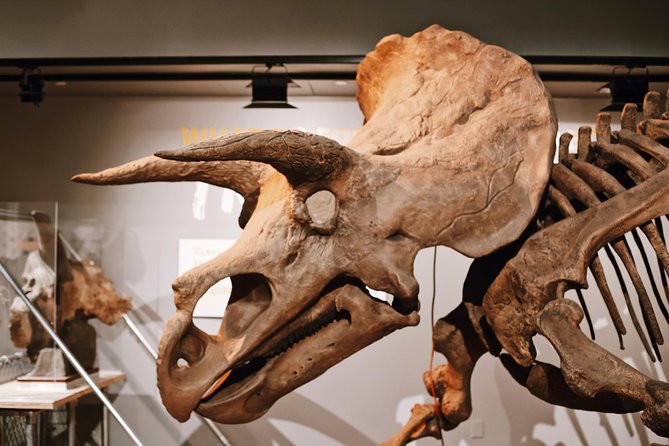
- Natural History hits the classics first, including Henry the elephant and Fossil Hall with Mastodon, T-Rex, and Diplodocus.
- American History focuses on iconic objects, from Dorothy’s ruby slippers to the First Ladies exhibit and the Star-Spangled Banner.
- A pro guide shapes the visit, with flexible commentary based on what you care about.
- Security and bag limits are real, so go light and plan for possible lines.
Still museum weather? More Smithsonian runs
A Smart Smithsonian Day for First-Timers (And Anyone Short on Time)
Washington DC has a way of making you pick between world-class museums. This combo tour helps you avoid that problem by bundling two Smithsonian heavyweights into one guided outing, with a small-group cap of 8 people.
The payoff is practical. You get a tour plan that moves through the highlights that most people come for, without the stress of figuring out what to see first or how long things will take. And because this is a guided experience, you’re not just staring at objects. You’re getting the human stories and the “why this matters” context that turns a photo stop into a real memory.
My second favorite part is the attention you get. A small group can feel surprisingly personal inside huge museums. When I’m touring big institutions, the biggest issue is usually crowd flow. Here, the group size helps you keep your bearings and stay with the same guide through the most important areas.
Stop One: Smithsonian Natural History Museum, Where Henry the Elephant Greets You
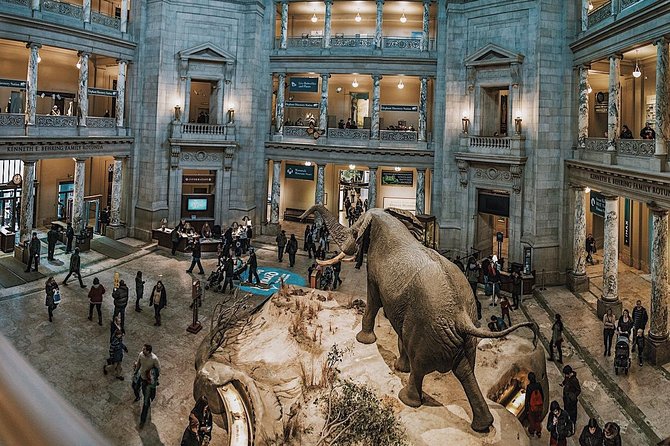
You start at the Smithsonian National Museum of Natural History, and the tour wastes no time getting you to the big wow moments. The museum introduces you right away to the world of specimens and science, not in a dry way, but in that kid-at-a-magic-show way that still works for adults.
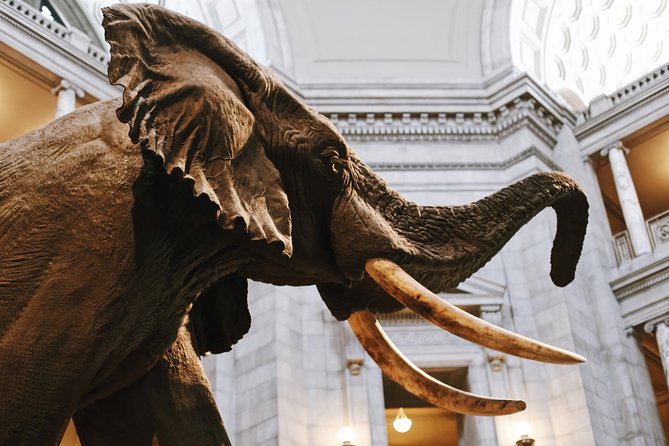
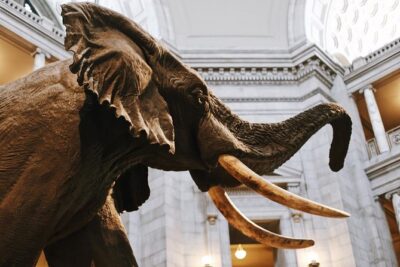
The tour’s natural opener is Henry, the largest taxidermied elephant in the world, who trumpets his welcome. That kind of anchor does two things. It sets the tone early, and it gives your guide an easy starting point for explaining how the museum’s collections are organized and why certain pieces become famous.
From there, you’re in the zone of geology, fossils, and dramatic natural history icons:
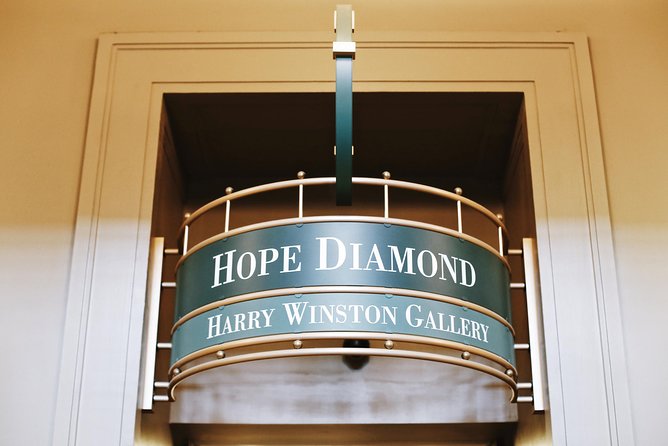
- Hope Diamond, described as (supposedly) cursed, which is the sort of story that explains how museum artifacts become legend.
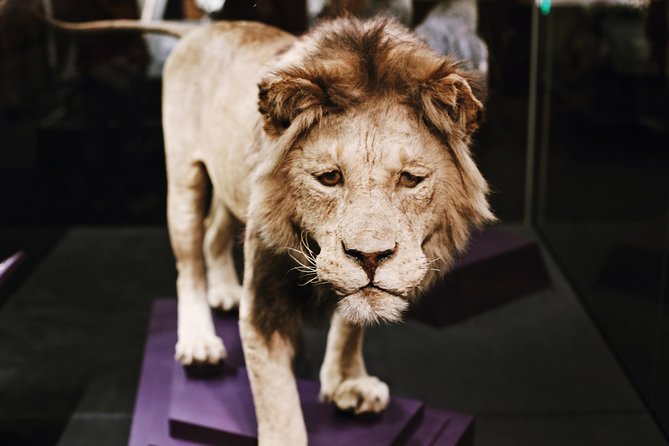
- Fossil Hall, recently renovated, with Mastodon, T-Rex, and Diplodocus looming over you.
That last part matters more than it sounds. Fossil Hall is the sort of space where it’s easy to wander for an hour and still feel like you missed key stops. With a guide steering your time, you can see the standout displays and still get the interpretation behind them, which helps your brain file the experience instead of just collecting images.
What Might Slow You Down at Natural History
Natural History is popular. Even with a group plan, security and crowd flow can create small delays. Also, you’ll be dealing with Smithsonian security rules and the general reality that large bags are not allowed inside. If you tend to show up with a big backpack or suitcase, you’ll feel it here.
Deeper into the record
- Guided African American History Tour with Reserved Museum Entry★ 4.5 · 1,180 reviews
- DC Monuments & History Guided E-Cart Tour-Blankets★ 4.5 · 450 reviews
- Smithsonian Museum of Natural History – Exclusive Guided Tour★ 5.0 · 446 reviews
- African American History Tour with Museum of African American History Ticket★ 4.5 · 390 reviews
- Historic Georgetown: History, Gossip, & Architecture Walking Tour★ 5.0 · 321 reviews
The Built-In Break That Keeps the Energy Up
Between the two museums, there’s time to recharge. The listing doesn’t spell out a strict lunch stop, but it does emphasize a break between Natural History and American History. In my view, that’s smart. These museums can feel like marathons if you don’t plan a reset.
Use the break for simple stuff that keeps the rest of the day pleasant:
- Refuel with snacks or water.
- Use the restrooms before you hit the next security checkpoint.
- Decide what you want most out of the next museum so you can ask your guide.
Because the group is small, you can do this planning quickly and still stay with everyone.
Stop Two: Museum of American History, Dorothy’s Slippers to the First Ladies Exhibit
After your break, you move to the Smithsonian National Museum of American History, where the tone shifts from nature’s stories to people’s stories. The tour doesn’t treat it like a random walk through galleries. It builds a thread through identity, culture, and turning points in American life.
The opening highlight here is Dorothy’s ruby slippers, noted as rivaling the Hope Diamond in notoriety. That’s a great example of how museums use objects people already know. When something is already in your imagination, you read museum labels differently. You notice details because you connect to the item first, then you learn the context.
From there, the tour focuses on the First Ladies exhibit, described as the most visited exhibit in the history of the Smithsonian. If you like political and social history, this is one of those places where a guide can make your time count. Your eyes naturally go to names and photographs, but a good guide points out themes and connections that help you understand how those displays reflect change over time.
Then come the American “memory lane” anchors your guide ties together:
- The Star-Spangled Banner that flew over Fort McHenry, at the dawn’s early light tied to the War of 1812 and the song that became the national anthem.
- The Greensboro Lunch Counter, which reminds you that conflict and civil rights struggles come in many forms.
- A range of everyday and historical artifacts, including cars, trains, kitchens, military uniforms, political ephemera, and Hollywood memorabilia.
This mix is valuable because it helps you see that American history is not only documents and speeches. It’s also objects from daily life, symbols of aspiration, and evidence of social friction. You’ll get a sense of how the museum connects struggle, identity, and culture through things you can actually stand in front of.
A Quiet Moments Note You Should Know
The tour notes that some specific rooms have restrictions, including places where speaking quietly may be required. The guide provides the info about those rules before you enter. It’s a small thing, but it improves the experience because you won’t feel thrown off by unexpected etiquette when you’re already in focus mode.
How the Guide Makes This Combo Feel Worth the Money
This is the big “why buy the tour?” question, because you could technically visit both museums on your own. The difference here is that you’re paying for guided direction plus story context.
The reviews attached to this experience repeatedly praise guides for being flexible and for matching their commentary to what people care about. I’ve heard that in practice the guide style can vary, but the common thread is clear: you get a smart pace, clear explanations, and room for interest-based detours.
Names that stand out in the feedback include Brenda, Richard, Leigh, Meghan, and Donna. Whether you get one guide or another, the aim is the same: you’re not just getting facts. You’re getting the human angle on famous pieces, plus help navigating huge spaces so you spend time efficiently.
That matters because the Smithsonian museums can overwhelm your decision-making. If you’re traveling with kids, with first-time DC visitors, or with anyone who hates spending half a day lost, a guide can make the experience feel organized rather than chaotic.
Pacing Inside Two Huge Museums, What “5.5 Hours” Really Means
This tour runs about 5 hours 30 minutes. Each museum gets about 2 hours 30 minutes. That’s plenty of time to hit a lot of highlights without turning your day into a sprint, but it also means you’re not doing everything.
Here’s how I’d use that structure if you want the best results:
- Pick your must-see objects in advance. For Natural History, think Henry and Fossil Hall. For American History, think ruby slippers and First Ladies.
- Be ready to move. Museums are big. Even with a plan, you’ll cover distance between galleries.
- Ask your guide early about where to spend extra time based on your interests.
A guide can adjust the emphasis, but they cannot make the museums smaller. If you try to see everything, you’ll feel behind. If you prioritize what matters to you, the tour’s built-in pace becomes a feature.
Price and Value: Paying for Direction, Not Admission
At $166.15 per person for a 5.5-hour small-group combo, this is not a budget “wander and hope” option. But you are getting a useful mix of things that usually cost time or money when you DIY.
What you’re paying for:
- A professional guide through both museums.
- A small group guarantee, with a maximum of 8 guests.
- Mobile ticket convenience.
- Free admission tickets to both museums, so the price is mainly for guided experience and coordination.
The value equation depends on you. If you love planning, you could build a self-guided itinerary. But if you want someone to handle sequencing, interpretation, and pacing, the guided format can feel like a bargain, especially during a short visit.
Also, this tour is commonly booked about 33 days in advance on average. If you want a spot on a particular date, treat it like a real plan, not a last-minute idea.
Getting There: Meeting Point, Transport, and Bag Rules
The meeting point is 1010 Madison Dr NW, Washington, DC 20004, and the tour starts at 10:00 am. It ends back at the meeting point, so you don’t have to manage a separate departure plan.
Hotel pickup and drop-off are not included. This matters if you’re staying far from public transit. The tour is near public transportation, so you’ll likely want to plan your route around that.
Bring a mobile phone number with country code because a mobile phone number is required. You’ll also want to have your mobile ticket ready.
And do not ignore the bag rule. The tour notes that no large bags or suitcases are allowed inside the museums, only handbags or small thin bag packs through security. If you have bulky day gear, you’ll have a tougher time.
Who This Tour Fits Best
This is ideal for:
- First-time visitors who want the Smithsonian story with less decision fatigue.
- People who like highlights, but also want context behind the famous objects.
- Families and mixed-age groups that benefit from a guide’s pacing and explanations.
- Anyone who values a calmer experience in a big museum setting, thanks to the max 8 guest group size.
If you’re the type who wants to sit and read every label for hours, you might find the pace too focused. This is a highlights-plus-guidance format, not an everything-in-detail format.
Quick Practical Tips for a Smoother Day
Here’s how I’d set yourself up so the day feels smooth, not stressful:
- Travel light. Keep to a handbag or small thin bag pack.
- Use the break to plan, not just to eat. Decide what you want most in American History.
- Wear comfortable shoes. You’ll be walking inside large museums.
- Go in with curiosity. The tour’s strength is that objects come with stories, not just signage.
- If you’re sensitive to quiet rules, know that some rooms have restricted speaking, and your guide will brief you before entering.
Should You Book This Smithsonian Natural History + American History Combo?
I’d book it if you want a high-signal Smithsonian day. Two things push me toward a yes: the combination of both museums in one guided plan, and the small-group limit that keeps the experience from turning into a herd.
Choose something else if you already know you want a slow, self-directed museum marathon, or if you’re arriving with a lot of luggage and don’t want to deal with bag restrictions.
Also keep one eye on timing. The tour notes occasional closures or delays can happen, and if delays are less than an hour you may not get a refund or discount. For that reason, I think this is best when you can stay flexible and treat it as a smart guided day, not a guaranteed timeline down to the minute.
If your goal is to see the famous Smithsonian objects and understand the bigger meaning behind them, this combo tour is a solid, efficient way to do it.
FAQ
How long is the tour?
The tour runs about 5 hours 30 minutes.
Is admission to the museums included?
Yes. Admission tickets to both museums are included and marked as free.
How many people are in the group?
The group is limited to a maximum of 8 travelers, with a small-group guarantee.
What time does the tour start, and where does it meet?
The tour starts at 10:00 am. The meeting point is 1010 Madison Dr NW, Washington, DC 20004, USA.
Does the tour include hotel pickup or drop-off?
No. Hotel pickup and drop-off are not included. The activity ends back at the meeting point.
What language is the tour offered in?
The tour is offered in English.
Do I need a mobile phone number?
Yes. You must provide a mobile phone number (including country code).
What kind of luggage can I bring into the museums?
No large bags or suitcases are allowed inside the museums. Only handbags or small thin bag packs are allowed through security.
What happens if a museum is closed or delayed?
Natural History & American History Museum and other attractions or museums may have occasional closures. If a museum opening time is delayed more than 1 hour from the tour start, the provider says they will provide an appropriate alternative, and refunds or discounts may not be available in these cases.
Is the tour physically demanding?
The tour indicates travelers should have a moderate physical fitness level.
What if the tour does not run?
Minimum numbers apply, and the tour will not run without a minimum of 2 guests. If it does not meet the minimum, you will be offered an alternative or a full refund.
More Tour Reviews in Washington DC





More Smithsonian Mornings





More to book around Washington DC
- The Public Group Scooter Tour of DC’s National Mall
★ 5.0 · 3 reviews - National Mall Highlights with Cherry Blossom & Arlington Cemetery
★ 3.5 · 3 reviews - Private Washington DC Monuments Day or Night Bike Tour
★ 5.0 · 3 reviews - Private Tour with US Capitol Or Archives Or Washington Monument
★ 3.5 · 3 reviews - Washington DC Private Guided Bus Day Tour with Step Off Guide
★ 5.0 · 3 reviews - 3-Hour Small Group Memorial Tour in Washington, D.C.
★ 4.0 · 3 reviews
Smithsonian & Washington Museum Tours, compared.
 ★ 5.0Smithsonian Museum of Natural History – Exclusive Guided TourFrom $89446 reviews
 ★ 5.0Smithsonian Museums Walking Tour with Reserved Air & Space EntryFrom $79297 reviews
 ★ 5.0Smithsonian Museum of American History Exclusive Guided TourFrom $89245 reviews
 ★ 4.5Museum of the Bible Admission Ticket233 reviews
 ★ 5.0The Smithsonian National Air & Space Museum Exclusive Guided TourFrom $89214 reviews
 ★ 5.0Smithsonian Museum of Natural History Small Group Tour: 8ppl MaxFrom $89177 reviews
 ★ 5.0The National Gallery of Art DC – Exclusive Guided Museum TourFrom $89166 reviews
 ★ 4.1Smithsonian National Museum of Natural History Guided TourFrom $75159 reviews
Browse the lists this tour appears in