
REVIEW · SMITHSONIAN & WASHINGTON MUSEUM TOURS
National Archives + National Portrait Gallery Tour 6ppl Max
You can start with founding documents and end with American identity on canvas and steel. This National Archives plus National Portrait Gallery tour strings together two guided highlights stops, with time to process what you are seeing, not just speed through it. I like the way it pairs the original founding material with portraits that show how Americans later chose to remember themselves.
I also love the scale-to-understanding approach: you are not just looking at famous names. You are guided through key ideas like citizenship and who gets included, plus major portrait highlights and conservation spaces within the Smithsonian complex. One possible drawback is that you need to move at a guided pace through security rules, and if you arrive late or expect a slow hangout, this format may feel a bit tight.
Here is the deal: you get a well-run day built for clarity, with skip-the-line help, small groups, and a guide who ties the themes together. Just keep an eye on comfort logistics, like shoes and bag rules, so you can enjoy the content instead of fighting the clock.
Key highlights to know before you go
- Skip-the-line entry at the National Archives to make your morning start on time instead of on waiting.
- Charters of Freedom Rotunda focus, with guided context around the circumstances behind the nation’s founding.
- Rubenstein Gallery stop with a 1297 copy of the Magna Carta used to frame evolving ideas of citizenship.
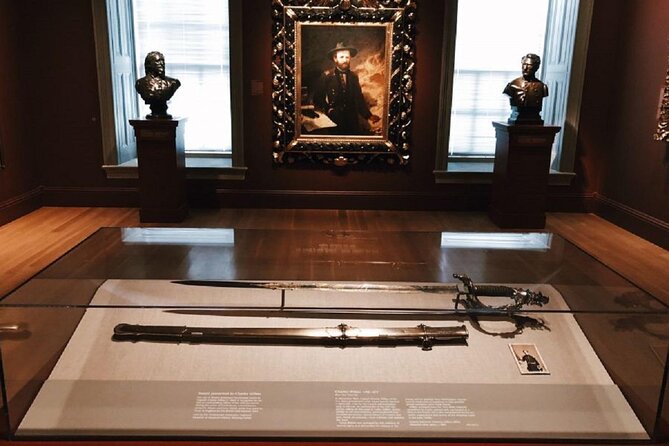
- Presidential Portrait Gallery with stories in multiple mediums, including painting, sculpture, and video.
- A peek into conservation work areas, with a chance to see the labs of the Lunder Conservation Center.
- Small groups up to 8 on private options, which generally means better questions and easier pacing.
Still museum weather? More Smithsonian runs
A 330-minute day that actually connects themes
This is a long-ish half-day tour, about 330 minutes, designed as a pair of 2-hour highlights experiences. The trick is that the stops are not random. The National Archives portion gives you the legal and moral backbone, then the Smithsonian portrait side helps you see how American identity gets pictured, argued over, and remembered.
If you like history that explains cause and effect, this flow is satisfying. You start with the physical documents and the big legal language, then you walk through portrait galleries that show how those ideas were interpreted later. That continuity is what makes the day feel more than a checklist.
You should also know the group style: private or small group options with a maximum of 8 people for private tours. Smaller groups tend to make security and pacing less stressful, and you get more chance to ask your guide why a particular portrait or artifact matters.
Meeting at the National Archives, then starting with momentum
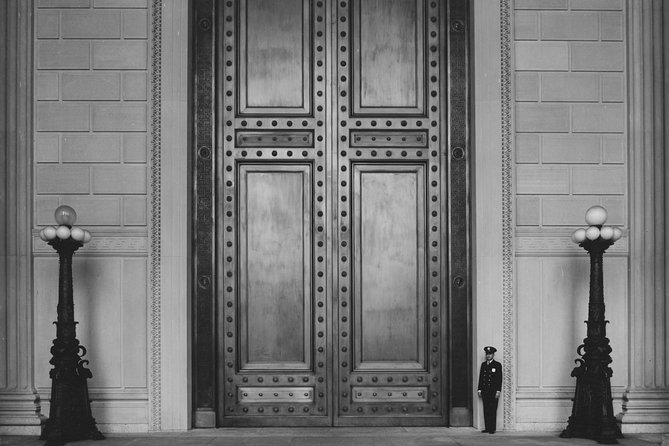
You meet on the bottom of the front stairs of the National Archives Building on Constitution Ave NW. Showing up a few minutes early is smart here, because the tour experience depends on getting through the building smoothly and staying on the guided schedule.
The tour includes skip-the-line, so the earlier you get there, the less likely you are to waste your energy waiting outside. You’ll also want to keep your items simple for security. The rules are clear about no luggage or large bags, and you can bring a handbag or small thin backpack.
Practical pro tip: wear comfortable shoes. This is a “walk, look, listen” kind of day, and you’ll feel it if your feet aren’t ready.
National Archives Rotunda: Charters of Freedom and the founding moment
The National Archives segment is built around a high-impact opening: the Rotunda and the original handwritten Charters of Freedom. Your guide narrates the extraordinary circumstances that brought the nation into existence, which is exactly what you want before you start interpreting individual documents.
I like this start because it gives you context you can carry. When you later see specific rights or citizenship language, you are not trying to make sense of it with only your own background knowledge. Your guide supplies the connective tissue.
You also see major documents and references tied to rights and freedoms, including the Bill of Rights and a Magna Carta of 1297 citation tied to broader questions of who belongs. The point is not to memorize dates. It is to understand how legal ideas about rights traveled and changed.
Possible drawback to keep in mind: some rooms can have quiet or restricted right-to-speak rules. Your guide will explain the room behavior before you enter, but you may still feel the contrast between talk-heavy areas and silent exhibits. If you prefer constant conversation, plan for short pockets of quiet.
More reserved-entry visits nearby
- Skip-the-line National Archives Building Exclusive Guided Tour★ 5.0 · 381 reviews
- National Archives Skip the Line Guided Tour Semi-Private 6ppl Max★ 5.0 · 196 reviews
- VIP National Archives Skip-The-Line Guided Tour 6 ppl Max★ 5.0 · 126 reviews
- National Archives Skip-the-Line Guided Tour★ 5.0 · 85 reviews
- National Archives + American History Museum Tour 8ppl Max★ 5.0 · 80 reviews
Rubenstein Gallery: citizenship as a living idea
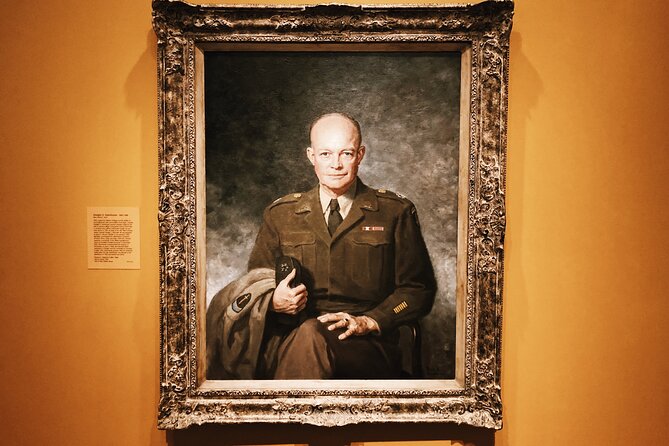
After the Rotunda, you shift into the Rubenstein Gallery, where you go philosophical on purpose. This is where a 1297 copy of the Magna Carta is used to frame how the concept of citizenship and inclusion evolved from founding language.
Your guide talks through the idea that all men are created equal, and that they are endowed by their Creator with certain unalienable Rights. The way this is handled matters. You are not just repeating a famous line. You are watching how that line gets interpreted through laws, institutions, and the long argument over who is included.
The tone tends to be reflective. There is time built in to pause, think, and reset before moving into the Smithsonian portion. If you’re the type who likes to sit with what you just learned, this pacing is a win.
The break that keeps your brain from frying
You get a break to ponder the complexity of history and grab a bite. Food and drink are not included, so bring a plan, even if it is just a snack you can buy near by.
This break is not wasted time. It helps you process what the documents are doing. Without a pause, you can end up mentally stacking facts instead of seeing relationships.
If lines or crowds are building elsewhere in Washington DC, use this break to regroup, use the restroom, and check your hydration. Your best day is the one where you do not feel rushed halfway through your second museum segment.
Portrait Gallery and American Art: Presidential faces and modern storytelling
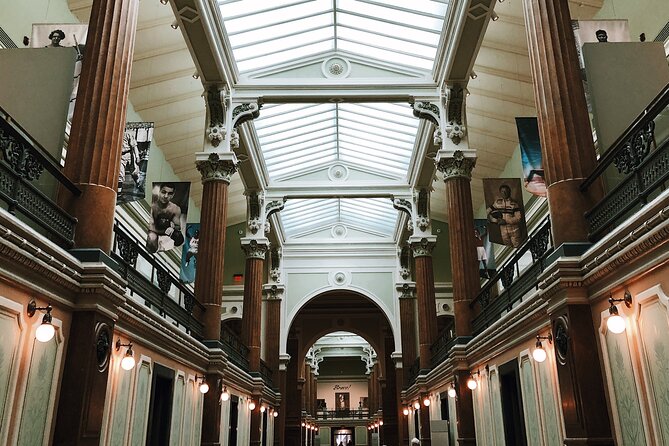
Then you head into the Smithsonian’s dual exhibition area that flows between the National Portrait Gallery and the Smithsonian American Art Museum. This is a favorite local kind of stop because it’s built for wandering, with a calmer interior pace once you are inside.
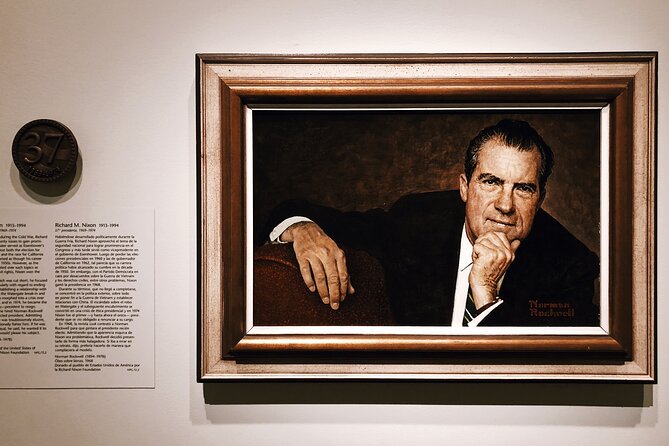
Your guide focuses on the Presidential Portrait Gallery, taking time with portraits as visual history. You’ll hear stories of famous Americans while you look at images in painting, sculpture, and video form. That mix matters because it shows how representation changes with technology and taste.
One of my favorite parts of this style of tour is when you realize you recognize faces you thought you only saw on textbook covers. Seeing the portraits in person, with a guide connecting them to the era and the messaging, turns recognition into understanding.
You also spend time in the Kogard Courtyard, described as one of the more relaxing spaces downtown. If you are walking museum hallways all morning, that kind of reset helps a lot.
Conservation peek: why the Lunder Conservation Center labs matter
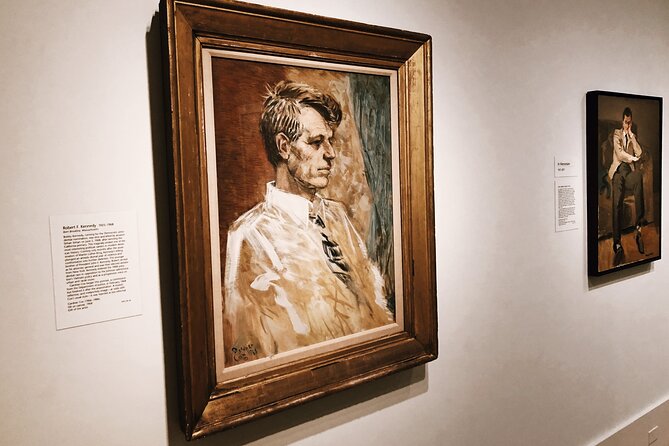
A standout feature of this tour is the chance to peek inside the Lunder Conservation Center labs. You’ll also visit the Luce Center of American Art portion, where the guide explains what you are seeing and why conservation is more than maintenance.
Even if you know nothing about art conservation, this segment can change how you look at artworks. It adds a practical layer: the physical object you see in a gallery has often survived handling, light exposure, and age. Conservation work is what lets portraits and artworks stay readable for the public.
If you like behind-the-scenes content, this is one of the best reasons to take a guided day instead of just doing museums on your own.
The art names you’ll spot fast
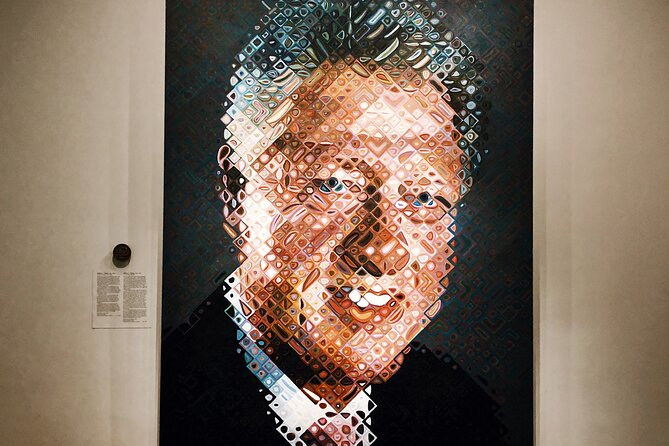
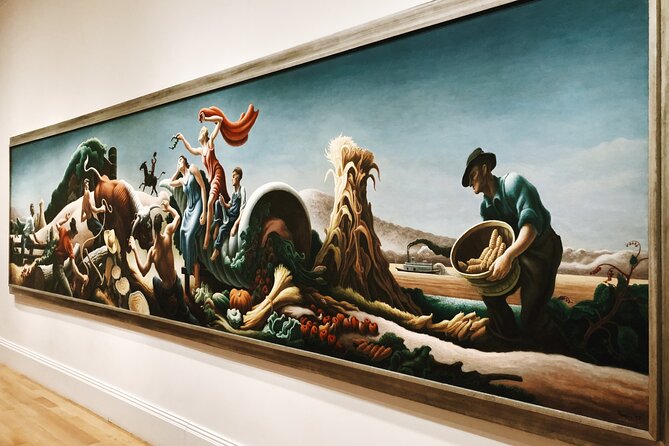
Your guide’s route also includes works by major artists, including Mary Cassatt, Edward Hopper, Andy Warhol, and Norman Rockwell. You might not catch every single featured name depending on the day and room flow, but the idea is that you leave with a sense of how American art visualizes ideas, work, and identity.
What makes this valuable is the pairing. You start with rights and citizenship questions in the National Archives, then you move into portraits and art that show how those ideas became everyday images. That connection can make American art feel less like a separate subject and more like a continuation of the national conversation.
Small group vibes: private or semi-private, and why it matters

The tour format is designed around intimacy, with private or small group options and up to 8 people for private tours. That number matters because it changes your experience inside crowded museums.
Smaller groups typically mean:
- You can hear your guide better.
- Your guide can adjust pacing to the room.
- You are more likely to get your questions answered without the group waiting.
There is also an operational reality. Smithsonian spaces and the National Archives can get busy. One negative scenario that can happen on timed tours is that delays and long lines elsewhere can cause you to miss the next segment. Keep your day flexible, and treat the guided schedule like the priority.
Also note the tour listing indicates not suitable for wheelchair users. If you need wheelchair access, the provided guidance says you should advise when booking, but you should plan carefully and confirm your exact needs with the operator before you go.
Price and value: is $174 worth it?
At $174 per person, the price is not low, so you should judge it based on what you actually get: skip-the-ticket line help plus two guided highlights segments in major Smithsonian spaces.
This is where value can show up fast:
- A guide saves time and turns random viewing into a coherent story about rights, citizenship, and representation.
- Skip-the-line reduces friction, which is a real cost in a busy DC day.
- Small-group or private options give you a better chance to ask questions and move with confidence.
If you are the kind of traveler who can handle museums alone and you already know the key narratives, you might feel you could do parts for free. But if you want the connecting storyline, and you want to see specific items like the Rotunda focus and the Rubenstein Gallery framing, a guided day is often worth the premium.
My practical take: this tour tends to be a strong value if you care about meaning, not just photos.
What to bring, what not to bring, and how to avoid stress
Here’s what you are told to bring and expect:
- Bring a passport or ID card.
- No luggage or large bags. A handbag or small thin backpack is allowed.
- Comfortable shoes are recommended.
- Water helps.
- An umbrella and hat are recommended for rain and summer heat.
You might also want to pack light because security can be a bottleneck. Smaller bags mean fewer headaches, and less time re-organizing your day.
Also plan for a mix of speaking and quiet exhibit areas inside the National Archives. Your guide will flag it, but you’ll still experience a shift from conversation mode to respectful museum pacing.
Who this tour fits best
This tour is a great fit if you:
- Want a guided explanation of founding documents, not just a walk-through.
- Like portrait galleries with context.
- Enjoy art and history together, especially when conservation work is included.
- Prefer smaller groups and clearer structure.
It may be less ideal if you:
- Need full wheelchair accessibility, since the tour is listed as not suitable for wheelchair users.
- Want unlimited free time with no schedule.
- Plan to arrive late or treat the day as optional, because timed museum logistics work best when you follow the plan.
Should you book this National Archives and Portrait Gallery combo?
If you want a meaningful DC half-day that links rights and citizenship to how Americans later saw themselves in portraits and art, I think this is a solid booking. The strongest reasons to go are the guided narrative structure, the skip-the-line advantage, and the chance to see conservation work areas.
If you are mainly chasing a quick photo tour and you already know the major historical themes, you might feel the price more than you feel the value. But for most people who want real understanding and smoother logistics, this combo format is the kind of day that leaves you thinking, not just scrolling.
FAQ
Where do I meet for the tour?
Meet on the bottom of the front stairs of the National Archives Building on Constitution Ave NW.
How long is the tour?
The tour duration is 330 minutes.
Does the tour include skip-the-line access?
Yes, it includes skip-the-ticket line for the National Archives.
What is included in the tour?
You get a professional local expert guide plus a 2-hour highlights tour at the National Archives Building and a 2-hour highlights tour of the Portrait Gallery.
Is food or drink included?
No. Food and drink are not included.
What ID do I need to bring?
You should bring a valid photo ID, such as a passport or ID card.
Are bags allowed?
Luggage or large bags are not allowed through security. You can bring a handbag or small thin backpack.
Is the tour wheelchair accessible?
The information provided lists the tour as not suitable for wheelchair users. If you require wheelchair access, you should advise when booking.
How many people are in a private tour?
Private tours are limited to no more than 8 people. The tour is offered as private or small groups.
Can I cancel and get a refund?
Yes. Free cancellation is available up to 24 hours in advance for a full refund.
More Reserved-Entry Visits
More Smithsonian Mornings

More to book around Washington Dc
- The Public Group Scooter Tour of DC’s National Mall
★ 5.0 · 3 reviews - National Mall Highlights with Cherry Blossom & Arlington Cemetery
★ 3.5 · 3 reviews - Private Washington DC Monuments Day or Night Bike Tour
★ 5.0 · 3 reviews - Private Tour with US Capitol Or Archives Or Washington Monument
★ 3.5 · 3 reviews - Washington DC Private Guided Bus Day Tour with Step Off Guide
★ 5.0 · 3 reviews - 3-Hour Small Group Memorial Tour in Washington, D.C.
★ 4.0 · 3 reviews
Smithsonian & Washington Museum Tours, compared.
 ★ 5.0Smithsonian Museum of Natural History – Exclusive Guided TourFrom $89446 reviews
 ★ 5.0Smithsonian Museums Walking Tour with Reserved Air & Space EntryFrom $79297 reviews
 ★ 5.0Smithsonian Museum of American History Exclusive Guided TourFrom $89245 reviews
 ★ 4.5Museum of the Bible Admission Ticket233 reviews
 ★ 5.0The Smithsonian National Air & Space Museum Exclusive Guided TourFrom $89214 reviews
 ★ 5.0Smithsonian Museum of Natural History Small Group Tour: 8ppl MaxFrom $89177 reviews
 ★ 5.0The National Gallery of Art DC – Exclusive Guided Museum TourFrom $89166 reviews
 ★ 4.1Smithsonian National Museum of Natural History Guided TourFrom $75159 reviews
Browse the lists this tour appears in