
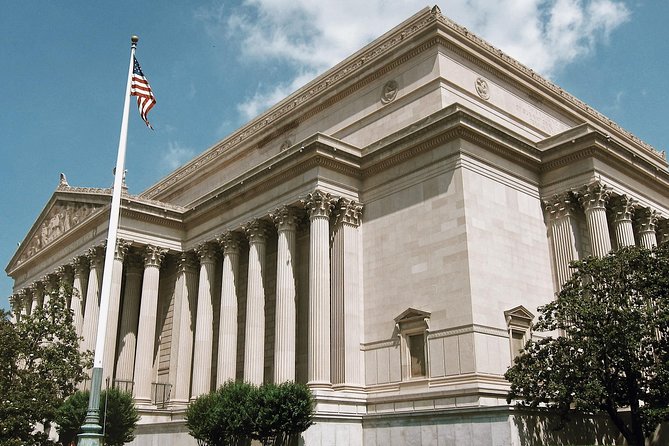
REVIEW · NATIONAL ARCHIVES TOURS
Skip-the-line National Archives Building Exclusive Guided Tour
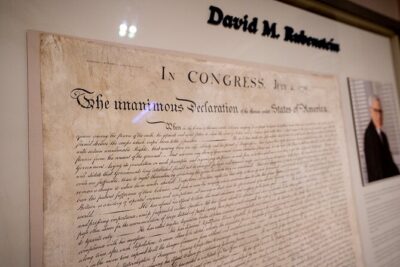
Original founding documents hit differently in person. This National Archives Building tour guides you through the Rotunda and public vault exhibits so you can see the U.S. Constitution, Declaration of Independence, and Bill of Rights up close, plus letters like George Washington and JFK. I especially like how the guide turns pages into people, and how the route ends with major world-shaping legal history like the Magna Carta. One thing to plan for, though: security rules inside the museum mean you will not wander freely, and quiet or restricted rooms limit how long you can talk.
What makes it feel worth the money is the tight group size and focused pacing. You get a mobile ticket and a guided experience built around getting you to the right stops without a lot of aimless waiting, with a maximum of 8 people per tour and wheelchair-friendly support on the standard option. The possible downside is that a 1.5 to 2 hour format is fast, so if you want extended time in every gallery corner, you may feel the schedule nudge you along.
At $105.73 per person, it is not the cheapest way to do the National Archives. But it often costs less than multiple failed attempts to time it right on your own, especially if you want the big documents plus the supporting context in one go.
Key highlights to notice before you go
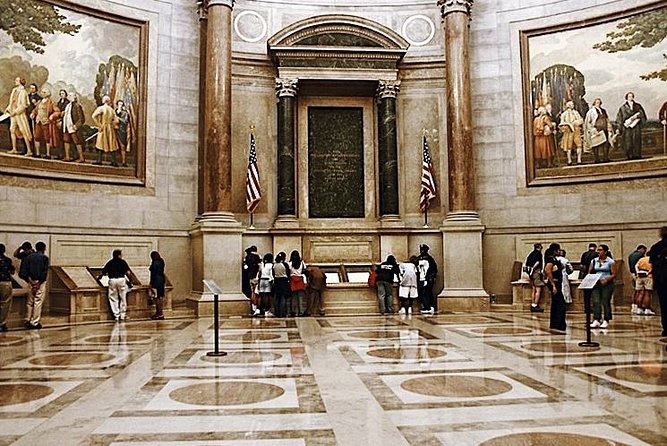
- Up-close founding documents: Rotunda focus on the Declaration, Constitution, and Bill of Rights.
- Public Vaults letters and proclamations: you’ll also see items like JFK and the Emancipation Proclamation.
- A legal history connection: the tour includes the Magna Carta of 1297, which influenced later documents.
- Small, private group feel: maximum 8 people, and it is a private tour with your group only.
- Expert storytelling at a museum pace: guides such as Annemarie, Ryan, Meghan, Donna, Kate, Brenda, and Marybeth are repeatedly praised for keeping the visit moving and understandable.
More reserved-entry visits nearby
Why the National Archives Rotunda feels like a must-do
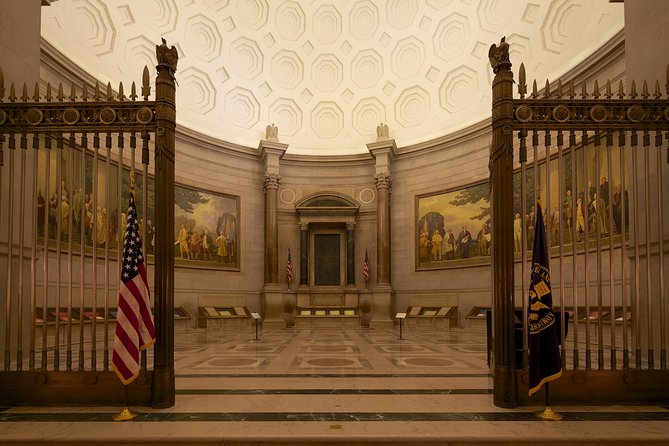
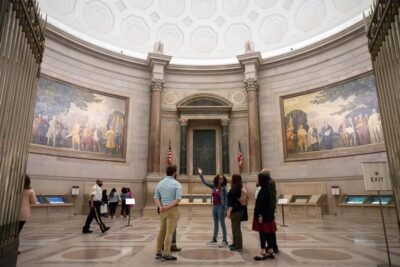
The National Archives Museum is built to make you pause. The Rotunda is where the U.S. story gets pinned to reality, not just textbook diagrams. You are in the space where visitors go quiet, then the documents do their job, you look up and suddenly the words are not abstract.
This guided route matters because the museum is popular and the layout can be confusing at speed. With a guide, you are not trying to guess what to prioritize first. You also get the kind of context that turns a quick glance into a real moment of understanding.
I also like that the tour is structured around the documents people actually came to see. You start with the big three, then you move outward to related papers and landmark historical documents that shaped American governance.
What skip-the-line support really changes
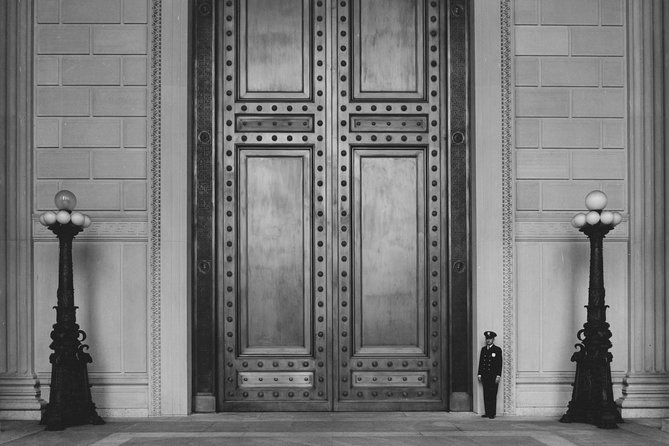
Skip-the-line tickets sound like magic until you are standing in line. Here is the practical reality: lines can still form due to security measures at many attractions, even with skip-the-line or no-wait access. That is not unusual in Washington DC.
What the “skip-the-line” idea usually buys you is less dead time and a smoother flow once you are cleared. In a museum where crowds can swell, saving 15 minutes of waiting can help you actually enjoy your 1.5 to 2 hour visit instead of watching your time evaporate.
Also, this tour includes a mobile ticket, which helps if you want to get set up quickly at the start. It is one less thing to manage while you are also dealing with museum security and crowd flow.
Stop-by-stop: how the museum route builds a clear story
Other days out with someone who knows
- Washington DC in One Day: Guided Sightseeing Tour★ 4.5 · 3,360 reviews
- Washington DC “See the City” Guided Sightseeing Segway Tour★ 5.0 · 1,924 reviews
- Small-Group Guided Tour inside US Capitol & Library of Congress★ 5.0 · 1,869 reviews
- See DC In A Day: Guided Small Group Ultimate Day Tour★ 5.0 · 1,257 reviews
- Guided African American History Tour with Reserved Museum Entry★ 4.5 · 1,180 reviews
Stop 1: The National Archives Museum, Rotunda and Public Vaults
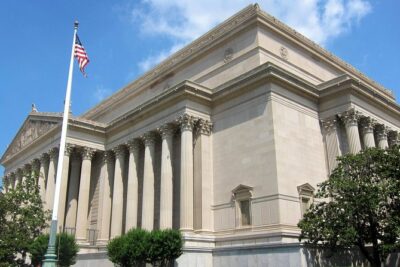
Your visit begins at the National Archives Museum, 701 Constitution Ave. NW, Washington, DC 20408. From the front door to the first major gallery, your guide keeps the focus on what matters most: the founding papers and the people behind them.
In the Rotunda, expect attention on the Declaration of Independence, the U.S. Constitution, and the Bill of Rights. The key point is not just seeing them, it is learning what you are looking at while you are standing close enough to feel the difference between an idea and an original document.
You will also hear how related founding-era papers fit into the bigger picture, including the Federalist Papers. This helps you connect legal language to the debates that came before it. It is the difference between reading about history and understanding why these documents were needed in the first place.
Then you move on to the Public Vaults Exhibits. This is where the tour becomes more personal. You get face-to-face time with historic letters, including handwritten items associated with George Washington and John F. Kennedy. It is a strong reminder that national policy and national leadership were made through letters, signatures, and careful recordkeeping.
Emancipation Proclamation and the long arc of law
The tour includes the Emancipation Proclamation. Seeing it in a museum setting makes the date, 1863, feel heavier. A guided explanation helps you place it in the larger timeline, rather than treating it as a single headline item.
You should also know that the National Archives collection focus can vary along the year. So while the tour highlights major documents, the exact rotation of what you see could shift slightly depending on what the museum has on display at that time.
Rubenstein Gallery: from Magna Carta to America’s legal DNA
In the Rubenstein Gallery, you will examine key historical documents that predate the United States but still influenced what came later. The tour specifically includes the Magna Carta of 1297.
That choice is smart. People often expect only American documents inside an American museum, but legal ideas travel. The Magna Carta piece helps you see how rules about power, rights, and governance did not start from scratch in 1776.
The ending effect is what I like most about this tour format. By the end, you have a clear chain: earlier legal frameworks, founding debates, and the documents that helped shape a new country’s government.
Letters that make history feel human
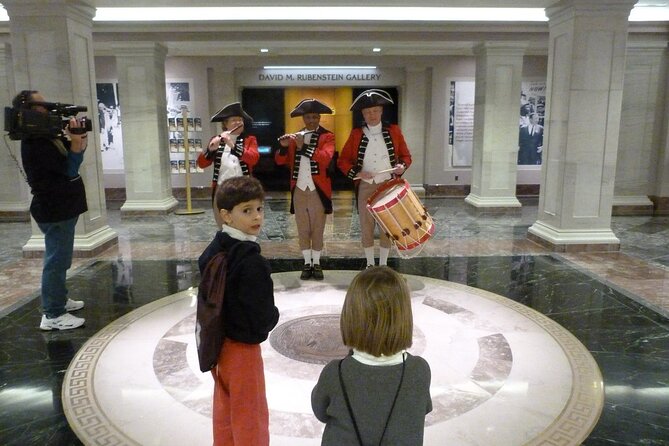
One reason this tour gets such high marks is that it does not stop at “important documents.” The letters and papers add voices to the timeline.
When the route includes documents associated with Washington and JFK, you get a range of eras and leadership styles. You also get to notice something most museum visits miss: how much history is written down, not just fought over. That is a practical takeaway because it explains why archives matter, even when you are not a history nerd.
The best guides also make the writing itself feel meaningful. You do not just hear that something is significant. You understand why it was saved, what it communicated at the time, and how it connects to the later documents you just saw.
Guides like Ryan have been praised for answering unusual questions without losing the group. If you are the type who wants to ask one more thing, it helps that the tour style is built for interaction, even though certain rooms require quiet.
How the guide keeps crowds from stealing your time

This is where a small group really matters. With a maximum of 8 people, your guide can slow down when needed and still keep the group moving.
In a busy museum, crowds can scatter your attention fast. A good guide does not just talk, they help you get your bearings fast, including where you stand, what you should look for next, and how to keep the flow through different rooms.
I also like that the tour notes mention restricted speaking areas. Some rooms inside the museum are very quiet or limit speech. Before entering those spaces, your guide will explain where the rule applies. That means you do not feel awkward, and you do not waste time figuring out museum etiquette in the moment.
If you are traveling with kids, this pacing helps. A shorter, focused route through the biggest documents can hold attention better than a self-guided wander that turns into a long wait and a long line.
Wheelchair-friendly, but know what changes with booking options
The tour is listed as wheelchair friendly on the standard option. Your group also benefits from a guide-led route, which can help with mobility compared to navigating crowds on your own.
Just read the booking details carefully. The inclusions marked as not applying if you choose the Save! book semi-private option include wheelchair-friendly support and the idea that the guide is exclusively for you. If mobility access is a priority, pick the option that keeps those inclusions.
Also remember that even with accessibility support, museum security still applies. This is not a “no rules” situation. Plan for time around security screening and bag checks.
Practical tips for a smooth National Archives visit
Here are the real-world things that make your day go smoother, based on the tour rules and common museum friction points.
First, dress matters for entry into some sites on this tour. There are rules, so avoid anything too casual if you do not want to deal with a last-minute fix.
Second, skip the big bag. No large bags or suitcases are allowed inside the museum. Only handbags or small thin bag packs go through security. If you carry a backpack every day at home, you will want a smaller plan for this stop.
Third, expect occasional quiet or restricted rooms. Your guide will tell you before you enter, but it is still worth remembering that this is a museum space with etiquette. If you talk loudly, you will end up feeling self-conscious fast.
Finally, check for the occasional museum closure. The tour notes say National Archives and other DC attractions may close without warning. If a delay is more than 1 hour from the tour starting time, the provider provides an appropriate alternative, but refunds or discounts are not available in those cases.
Price and value: is $105.73 per person a fair deal?
For many people, the real value here is not the number. It is what you get for that number.
You pay for a guided route that concentrates on the most important documents, plus a story you likely would not assemble on your own while managing crowds. You also get a small group size, and a private tour format where your time stays with your party instead of blending into a larger pack.
If you were to do the National Archives without guidance, you might spend time figuring out what to see first, what to skip, and where you can actually get close enough to absorb details. The guide reduces that guesswork.
Could you do it for less on your own? Yes, if you only need a quick look. But if you want the connection between document types, eras, and the legal ideas that link Magna Carta to American governance, this price can feel reasonable.
Should you book this National Archives guided tour?
Book it if you want a tight, high-impact visit focused on the documents that define the building. It is a great choice if you like structure, need help sorting what matters, or you are traveling with kids who benefit from a clear plan and an engaging guide.
Skip it, or consider a more flexible approach, if your goal is to roam slowly and linger in every gallery at your own tempo. This tour moves with purpose, and security rules plus quiet-room etiquette mean you will not fully control the pacing once you are inside.
If you do book, I recommend showing up ready to move quickly after security. Keep your bag small, wear something appropriate for museum entry, and come with one or two questions you actually want answered. With a guide like Annemarie or Ryan, that extra curiosity usually turns into a better visit, not a slower one.
In short: if the U.S. Constitution and Declaration are on your DC checklist, this guided, small-group format is one of the cleanest ways to make that stop count.
More Tour Reviews in Washington DC





More Reserved-Entry Visits


More to book around Washington DC
- The Public Group Scooter Tour of DC’s National Mall
★ 5.0 · 3 reviews - National Mall Highlights with Cherry Blossom & Arlington Cemetery
★ 3.5 · 3 reviews - Private Washington DC Monuments Day or Night Bike Tour
★ 5.0 · 3 reviews - Private Tour with US Capitol Or Archives Or Washington Monument
★ 3.5 · 3 reviews - Washington DC Private Guided Bus Day Tour with Step Off Guide
★ 5.0 · 3 reviews - 3-Hour Small Group Memorial Tour in Washington, D.C.
★ 4.0 · 3 reviews
National Archives Tours, compared.
 ★ 4.5VIP Best of DC with US Capitol + National Archives Reserved EntryFrom $1292,491 reviews
 ★ 5.0National Archives Skip the Line Guided Tour Semi-Private 6ppl MaxFrom $105196 reviews
 ★ 5.0VIP National Archives Skip-The-Line Guided Tour 6 ppl MaxFrom $59126 reviews
 ★ 4.6National Archives and US Capitol Guided TourFrom $53115 reviews
 ★ 5.0National Archives Skip-the-Line Guided TourFrom $5985 reviews
 ★ 5.0National Archives + American History Museum Tour 8ppl MaxFrom $16680 reviews
 ★ 4.9National Archives Skip the Line Tour Semi-Private 6ppl MaxFrom $11176 reviews
 ★ 4.5Skip the Line National Archives and US Capitol TourFrom $5351 reviews
Browse the lists this tour appears in