
REVIEW · SMITHSONIAN & WASHINGTON MUSEUM TOURS
National Archives & Museum of American History Guided Tour
A guide turns DC’s document crowd into a clear story. You start in the National Archives Rotunda, then move on to the Smithsonian American History Museum, all in a small group format.
I especially like the skip-the-line advantage, because you spend more time looking and less time waiting. The tour also pairs huge founding-document moments, like the original Declaration of Independence, with later American-history context that connects ideas to objects people actually remember.
One drawback to plan for is the walking. Expect moderate walking, plus rules inside museum rooms where you may need to keep your voice down, and you cannot bring luggage or large bags.
Key moments to know before you go
- Separate-entrance skip-the-line at the National Archives, so your highlights start faster
- Charters of Freedom in the Rotunda, with guided narration tied to real events and people
- A trip to the Rubenstein Gallery to see a 1297 copy of the Magna Carta and talk about citizenship
- Major artifact stops, including the original Star-Spangled Banner and George Washington’s Sword
- Smithsonian American History Museum highlights focused on memorable exhibits, including First Ladies and Dorothy’s Ruby Red Slippers
- Built-in break time to reset before the second museum
Entering the National Archives with Skip-the-Line Help
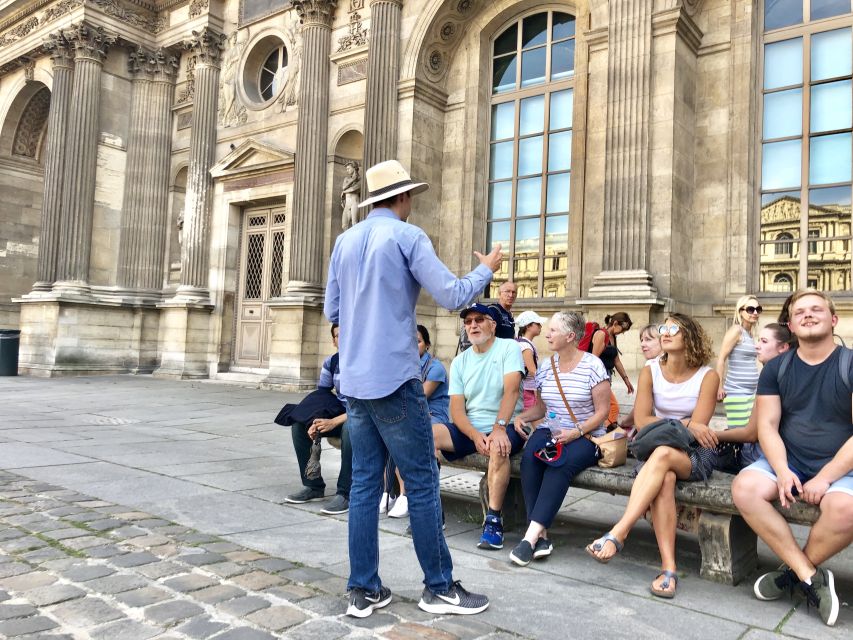
This tour is built around one smart problem: DC museums can be slow, especially when you’re trying to reach the big-ticket galleries. By using a separate entrance, you get inside faster and start with the documents that define the U.S. story.
You meet at the bottom of the front stairs of the National Archives Building on Constitution Ave. NW. From there, the pacing is straightforward. You get a guided highlights walk for about two hours inside the National Archives, then you transition to the Smithsonian for another highlights block.
The small group size matters. With a maximum of 8 people, the guide can keep everyone together and still make room for questions. That’s ideal if you like learning fast without feeling rushed.
Still museum weather? More Smithsonian runs
The Rotunda and Charters of Freedom: Declaration, Constitution, Bill of Rights
The headline experience here is the original Charters of Freedom in the Rotunda. This is where the tour really earns its name: you’re not just looking at famous pages, you’re getting guided narration about the real circumstances that brought the nation into existence.
You’ll see key documents that anchor the story. That includes the original handwritten Declaration of Independence, plus The Constitution and The Bill of Rights. The guide’s job is to help you connect what you’re viewing to what was happening around it, instead of treating the text like a museum label.
I also like how the tour sets up the big idea early: the U.S. is often described as a political experiment. Here, you get to see the founding materials that helped launch that experiment, then later you see how American life keeps testing and reshaping the meaning of those ideas.
If you love history but get overwhelmed by crowds, this setup is a good match. You’re given a path, and you’re given context.
Magna Carta 1297: Why Citizenship Gets Complicated
Not every U.S. history tour brings in the Magna Carta, so this is one of the tour’s smartest curveballs. In the Rubenstein Gallery, you’ll view a 1297 copy of the Magna Carta and the guide will explain why it matters for the broader concept of rights and governance.
You’ll also get a guided discussion about citizenship and how the criteria for who belongs has changed over time. The tour frames this as a philosophical thread, starting with an early declaration-style promise that all people are created equal, then moving toward the messy reality of how inclusion has evolved.
This is the kind of stop that can turn a famous building into a real thinking experience. It helps you understand that “rights” are not one-and-done. They get interpreted, fought over, and rewritten across generations.
For many people, this is where the tour shifts from “wow, original documents” to “oh, now I get the argument behind the documents.”
The Star-Spangled Banner and George Washington’s Sword Moment

After the founding documents and the rights conversation, the tour takes you to another set of emotionally charged artifacts. You’ll see the original Star-Spangled Banner, plus George Washington’s Sword.
These are not just symbols. They’re physical links to specific moments, leadership, and survival. A good guide makes the objects feel less abstract by explaining how they fit into the bigger chain of events.
If you’re the type who likes to connect national identity to something you can point at, this is your payoff. You’ll leave feeling like you actually visited a turning point, not just a gallery.
One practical consideration: because these are popular objects, you may be there with other visitors. The benefit of the guide is that you’re moving with a plan, not wandering.
More reserved-entry visits nearby
- Skip-the-line National Archives Building Exclusive Guided Tour★ 5.0 · 381 reviews
- National Archives Skip the Line Guided Tour Semi-Private 6ppl Max★ 5.0 · 196 reviews
- VIP National Archives Skip-The-Line Guided Tour 6 ppl Max★ 5.0 · 126 reviews
- National Archives Skip-the-Line Guided Tour★ 5.0 · 85 reviews
- National Archives + American History Museum Tour 8ppl Max★ 5.0 · 80 reviews
Break Time, Comfort, and Simple Planning for a 5.5-Hour Day
The tour includes time to pause and grab a bite. Food and drinks are not included, so you’ll want to think ahead about water and snacks.
Bring comfortable shoes. You’ll also want an umbrella since Washington weather can switch fast. If you tend to get hungry easily, plan on buying something nearby before the next museum portion. The break is meant for recovery so the second half stays enjoyable.
Also note: some museum rules may require quiet or restricted talking inside specific rooms. That’s normal for places with sensitive displays. It’s best to keep your questions ready, then ask at the appropriate moments.
This is a highlights tour, not an all-day sit-down. You’re moving, you’re listening, and you’re seeing a lot without feeling like you’re sprinting.
Smithsonian American History Museum Highlights: First Ladies and Pop Culture Anchors
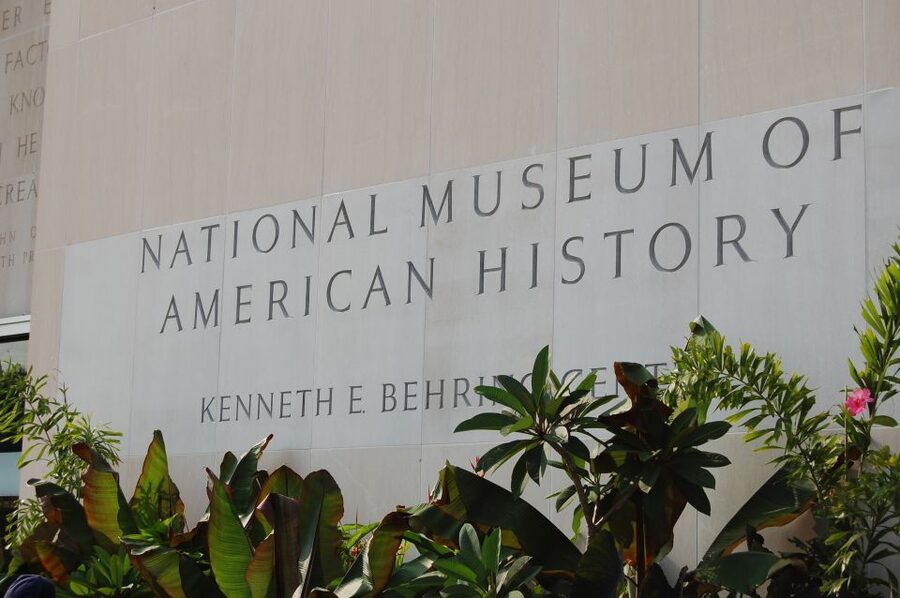
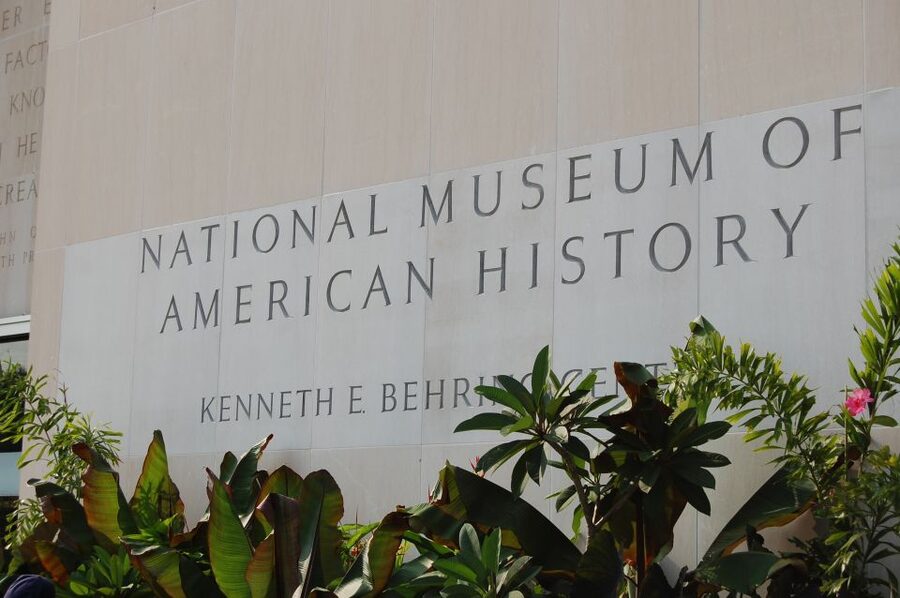
After your National Archives time, you’ll head to the Smithsonian American History Museum for about two hours of highlights. This is where the tour leans into something visitors often love: American history as a blend of scholarship and pop culture.
The guide introduces you to famous items in the collection and connects them to the people who experienced them. That means the museum isn’t presented as distant trivia. It’s presented as memory, identity, and storytelling.
One of the best-known sections on this tour is the First Ladies exhibition. It’s described as the most visited exhibition in Smithsonian history. If you’re interested in how public image, politics, and cultural expectations intersect, this stop gives you a focused entry point.
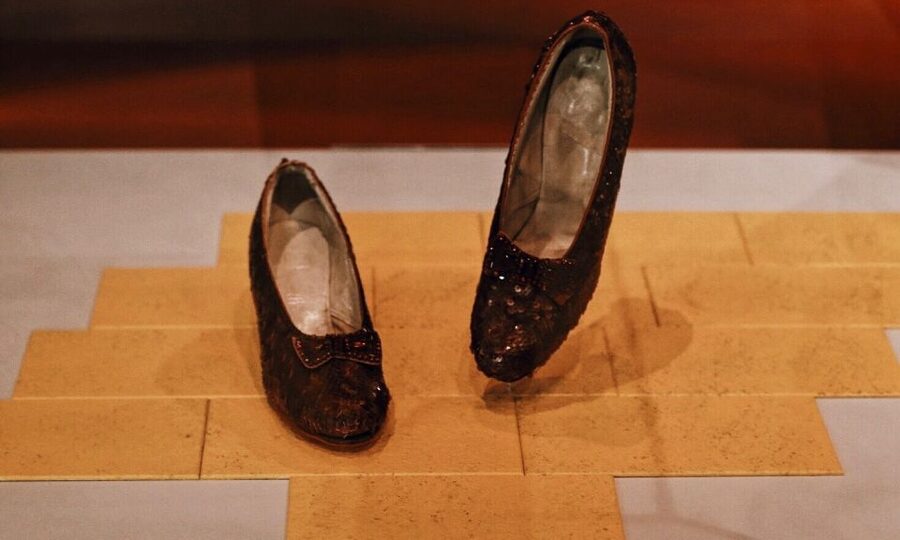
You’ll also see why the most requested artifact is Dorothy’s Ruby Red Slippers from The Wizard of Oz. The tour ties that pop-culture icon to broader ideas of longing, home, and belief, not just costume history.
And you’ll encounter a nearby comparison point: the top hat associated with Abraham Lincoln’s night at Ford’s Theatre. Even if those items are from different worlds, seeing them in the same guided flow helps you understand why museums put objects next to each other and what that placement does to your perception.
The Fort McHenry Flag Story Behind the National Anthem

One of the most memorable guided connections in this experience is the anthem origin story. The tour includes the flag that flew over Fort McHenry, which inspired the poem that later became the National Anthem.
This is a great example of what a guide adds. Without narration, you might see the object and move on. With narration, you get the chain: event, poem, adaptation, national symbol.
If you like moments where history becomes music, language, and identity, this stop will click. You leave with a cleaner mental timeline, so the anthem isn’t just something you hear, it’s something you understand.
It also reinforces why the two-museum format works. The National Archives portion gives you the “rules and ideals” side. The Smithsonian portion gives you the “how those ideals show up in everyday memory” side.
Pace, Group Size, and What to Bring (So You Enjoy It)
This is a private or semi-private group tour with no more than 8 people. Semi-private tours require a minimum of 2 guests to run. That matters if you’re booking close to your travel dates and hoping the schedule will move with you.
The walking is moderate. Plan for time on your feet, and keep your day structured around this 5.5-hour block.
Bring:
- Passport or ID card
- Comfortable shoes
- Umbrella
- Water
Not allowed:
- Luggage or large bags
That last point is important. If you’re coming from another part of DC with big baggage, rethink how you’ll store it. A daypack is usually the type of setup that keeps you comfortable.
For accessibility, the tour notes wheelchair tours by request only, but it also lists the activity as not suitable for people with mobility impairments. If accessibility is a concern, you should contact the operator early and confirm what level of support and routing is possible for your specific needs.
Price and Value: Is $166 Worth It for This Two-Museum Plan?
At $166 per person for about 5.5 hours, you’re paying for two things: guided interpretation and time saved. The skip-the-line access alone reduces one of the most frustrating bottlenecks in Washington.
You’re also getting two separate highlights experiences, not just one museum. The National Archives portion covers the Rotunda and major founding documents, plus the Magna Carta stop and the key national symbols. Then you transition to the Smithsonian American History Museum for major exhibition anchors like First Ladies, Dorothy’s Ruby Red Slippers, and the national anthem origin connection.
If you’re visiting for a limited time, this format can be better than doing both locations on your own. You avoid decision fatigue. You get a path that hits the objects that matter and you get the story connections that turn objects into meaning.
If you are the type who likes to read every label and wander slowly, you might feel this tour moves faster than your style. But for most people planning a tight DC schedule, this is priced like a smart “time and context” solution.
Who This Guided Tour Suits Best

This is a good fit if you:
- Want an efficient highlights route through the National Archives and the Smithsonian American History Museum
- Care about context, not just photos
- Like seeing physical symbols and documents tied to the ideas behind them
- Prefer a small group where you can ask questions and keep up
It also works well for couples and families who want structure without being locked into a huge crowd.
Should You Book This National Archives and American History Guided Tour?
If you want a fast, high-impact day that connects the founding documents to later American cultural memory, I’d book it. The combination of original Charters of Freedom, a Magna Carta 1297 viewing, and major symbol artifacts like the Star-Spangled Banner and Washington’s Sword gives you a strong storyline. Then the Smithsonian portion adds popular cultural anchors and exhibition highlights that make the American story feel less abstract.
Only skip it if you dislike moderate walking or you prefer to travel without a set route and guided pacing. Otherwise, this tour is a practical way to see the right things, understand what you’re seeing, and leave with a clearer picture of the American experiment.
FAQ
Where do I meet for the tour?
Meet on the bottom of the front stairs of the National Archives Building on Constitution Ave. NW.
How long is the guided experience?
The tour duration is 5.5 hours, with starting times depending on availability.
What is included in the price?
You get an expert guide, a 2-hour highlights walking tour at the National Archives, and a 2-hour highlights tour of the Smithsonian American History Museum. It’s a private or semi-private group of no more than 8 people.
Is food included?
No. Food and drinks are not included, though there is a break during the day to grab a bite.
What should I bring, and what is not allowed?
Bring your passport or ID, comfortable shoes, an umbrella, and water. Luggage or large bags are not allowed.
Is the tour wheelchair accessible?
Wheelchair tours are available by request only. However, the activity also notes it is not suitable for people with mobility impairments, so you should confirm details with the operator before booking.
More Reserved-Entry Visits



More Smithsonian Mornings




More to book around Washington Dc
- The Public Group Scooter Tour of DC’s National Mall
★ 5.0 · 3 reviews - National Mall Highlights with Cherry Blossom & Arlington Cemetery
★ 3.5 · 3 reviews - Private Washington DC Monuments Day or Night Bike Tour
★ 5.0 · 3 reviews - Private Tour with US Capitol Or Archives Or Washington Monument
★ 3.5 · 3 reviews - Washington DC Private Guided Bus Day Tour with Step Off Guide
★ 5.0 · 3 reviews - 3-Hour Small Group Memorial Tour in Washington, D.C.
★ 4.0 · 3 reviews
Smithsonian & Washington Museum Tours, compared.
 ★ 5.0Smithsonian Museum of Natural History – Exclusive Guided TourFrom $89446 reviews
 ★ 5.0Smithsonian Museums Walking Tour with Reserved Air & Space EntryFrom $79297 reviews
 ★ 5.0Smithsonian Museum of American History Exclusive Guided TourFrom $89245 reviews
 ★ 4.5Museum of the Bible Admission Ticket233 reviews
 ★ 5.0The Smithsonian National Air & Space Museum Exclusive Guided TourFrom $89214 reviews
 ★ 5.0Smithsonian Museum of Natural History Small Group Tour: 8ppl MaxFrom $89177 reviews
 ★ 5.0The National Gallery of Art DC – Exclusive Guided Museum TourFrom $89166 reviews
 ★ 4.1Smithsonian National Museum of Natural History Guided TourFrom $75159 reviews
Browse the lists this tour appears in