
REVIEW · WALKING TOURS
Harlem Renaissance in DC Walking Tour
DC has its own Harlem story. This Harlem Renaissance in Washington DC walking tour links music, Black performance spaces, and the people who built them, block by block.
I especially like the stop-by-stop mix of theaters and jazz-related addresses, because you can see where the art actually happened. I also like that the tour builds in a Ben’s Chili Bowl break, so the history doesn’t feel like a lecture.
One thing to consider: it is about 2 hours on foot at a steady pace, and the Chili Bowl refreshments are on you.
Key highlights you will remember
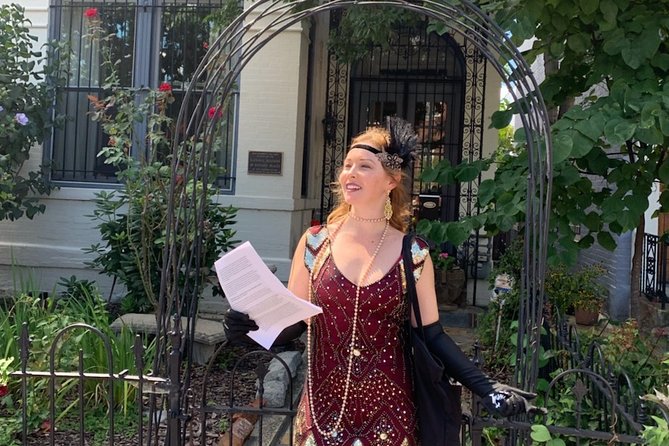
- Howard Theatre, 1910, tied to one of the earliest stages for African American performers in DC
- Frank Holliday’s Pool Hall site, connected to Duke Ellington’s early ragtime and jazz piano starts
- U Street’s Black Broadway chapter, with stops linked to Bohemian Caverns and Lincoln Theatre
- Billie Holiday’s Club Bali connection, at the 14th Street address
- A social culture finish at Georgia Douglas Johnson’s House, often called the Halfway House
More walking, less waiting
Harlem Renaissance in DC, built on real streets and stages
This tour works because it does not treat the Harlem Renaissance like a distant idea. It shows you how Black artists and communities shaped Washington DC’s arts scene, then you carry that context as you walk to the next place. In other words, the story follows the sidewalks.
I also like how the pacing feels designed for learning without feeling trapped. The tour moves through a handful of major landmarks and addresses, so you get momentum. It also means questions matter, since the whole thing can feel like it speeds up once the group starts connecting dots.
And here’s the practical upside: most stops are short, and you should not need extra entry tickets to enjoy the sights. If you want to get your bearings fast and still leave with names, dates, and places in your head, this is a strong format.
Price and pacing: what $30 buys you in 2 hours
At $30 per person for about 2 hours, the value comes from focus. You are not paying for a long day of driving or a huge route, you are paying for a tight sequence of sites tied to Black performance culture in DC. That makes it a good choice if you want history that feels immediate.
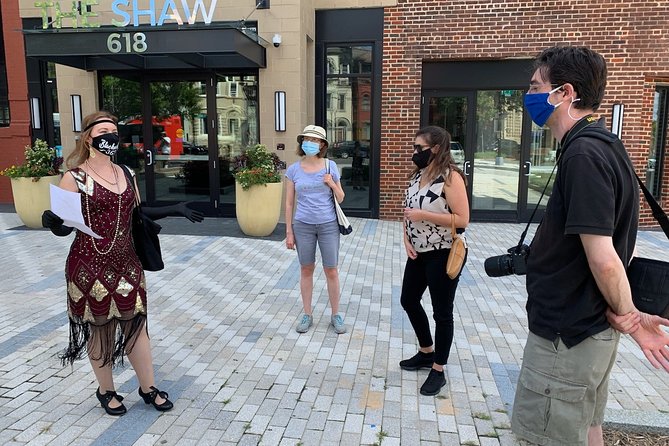
The group size caps at 20 people, which helps with questions and keeps the walk from turning into a shuffle line. I found that matters on tours like this, because the guide can slow down briefly when something clicks for the group.
Timing is another real factor. This averages being booked about 22 days in advance, so if you are traveling during busy weeks, I recommend locking in earlier rather than hoping.
Starting at Howard Theatre, 620 T St NW
Your tour begins at Howard Theatre (620 T St NW), which is an ideal first stop. The reason is simple: it sets the frame for what Black performers needed to thrive in the city.
The Howard Theatre was the first DC theater to offer a stage for African American performers, established in 1910. From there, it kept playing a key role in DC’s music and arts scene. When you start with that, every later stop makes more sense, because you are not just collecting addresses, you are watching the infrastructure of performance culture get built.
Why this stop works well: it gives you a anchor point, then you walk to other places that connect back to the same theme, opportunity, and visibility.
What to watch for: it is usually a quick stop, so have your first questions ready. The tour’s pace means you will want to ask early rather than waiting until the end.
- DC Memorials Night Tour: Glass-Roof Convertible Upgrade Option★ 4.5 · 6,933 reviews
- National Mall Monuments Night Tour with 10+ Stops, Entry Tickets★ 4.5 · 4,863 reviews
- Washington DC Monuments by Moonlight Tour by Trolley★ 4.5 · 3,956 reviews
- Hop-on Hop-off Sightseeing Tour by Open-top Bus with 18 Stops★ 3.5 · 3,848 reviews
- Washington DC in One Day: Guided Sightseeing Tour★ 4.5 · 3,360 reviews
Right Proper Brewing: the pool hall that fed early jazz
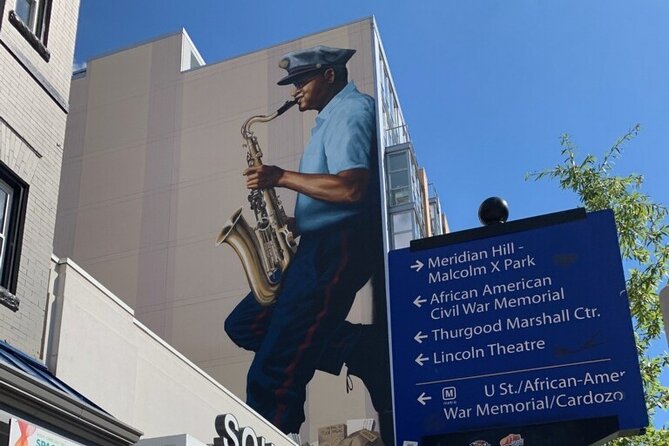
Next, you head to the site of Frank Holliday’s Pool Hall, now associated with Right Proper Brewing Company. This stop is brief, but it is the kind of fact that sticks.
The pool hall site connects to Duke Ellington, specifically where he first started dabbling in ragtime and jazz piano. Even if you only know Ellington as a name, the idea of him testing ideas in a real local hangout makes the music feel more human.
This is also a good reminder for you: jazz did not grow in a vacuum. It grew in rooms where people gathered, talked, listened, and played.
Possible drawback: because the stop is short, you will not get a long narrated timeline here. Instead, you get one strong, specific connection, and then you move on.
1910 Vermont Ave NW: Lilian Evanti and Black classical music
At 1910 Vermont Ave NW, you step into a quieter corner of the story. This was the former home of Lilian Evanti, an African American opera singer who earned acclaim abroad before returning to Washington DC to make her mark on Black contributions to classical music.
This stop matters because it helps you understand the Harlem Renaissance influence beyond jazz clubs and theater marquees. The arts scene was not only one genre, and Evanti’s story signals that Black artistic achievement spanned multiple musical worlds.
If your usual DC sightseeing leans mostly toward politics or big monuments, this stop can be the surprise that changes how you view the city. It shows that culture has deep roots in individual lives and neighborhoods, too.
Tip for getting value: pay attention to the contrast. The tour shifts from early jazz-adjacent spaces to a classical-music figure. That jump is intentional, and it helps your brain build a bigger picture.
U Street’s Black Broadway: Bohemian Caverns and Lincoln Theatre
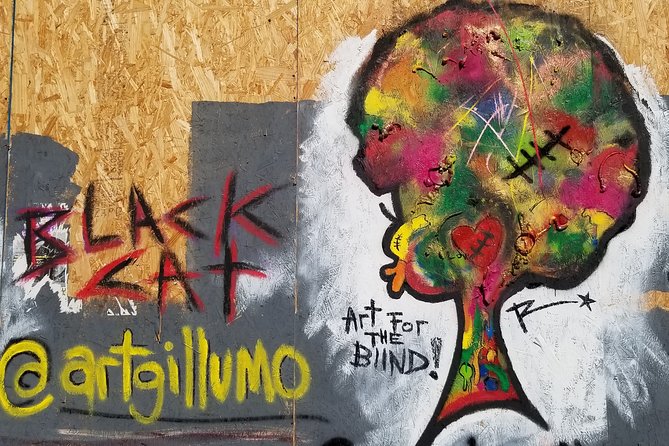
Then the tour moves into the U Street era, often described as DC’s Black Broadway. Here, the focus is on the stage and showhouse world, where performance culture and community life overlapped.
Bohemian Caverns
At Bohemian Caverns, you visit a spot tied to a jazz icon and a must-see stop during U Street’s Black Broadway days. The point is not just the name. It is the idea that this area became a magnet for music and performance.
This is one of those stops that feels “small on paper” but big in meaning. You are walking past the physical addresses of a time when Black audiences and performers helped define a DC entertainment scene.
Lincoln Theatre
At Lincoln Theatre, the story continues with another major show house from the Black Broadway era. When you see both places back-to-back, you get a sense of scale, the kind of venues that could carry big shows and draw attention.
Why I like this pairing: it keeps you from thinking of Black performance culture as a side note. With these two stops, you see it as a real theater circuit.
Consideration: because these stops are quick, bring a notebook or notes app if you want to remember the connections. The tour will give you the names you need, but you will only have moments at each spot.
Ben’s Chili Bowl break: iconic stop, meals are on you
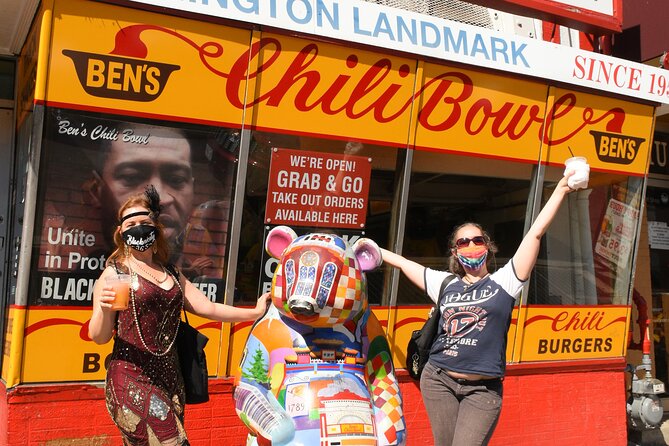
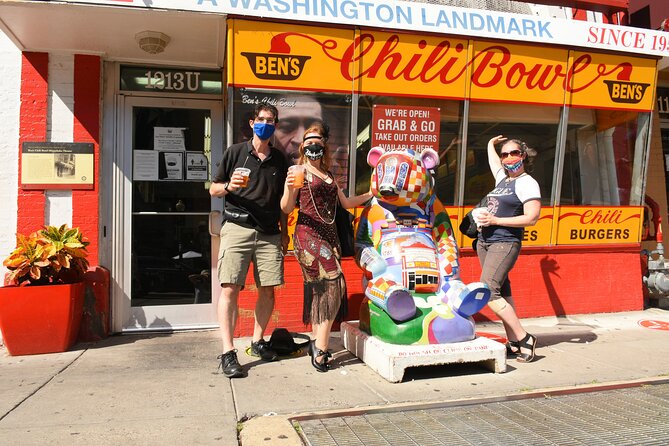
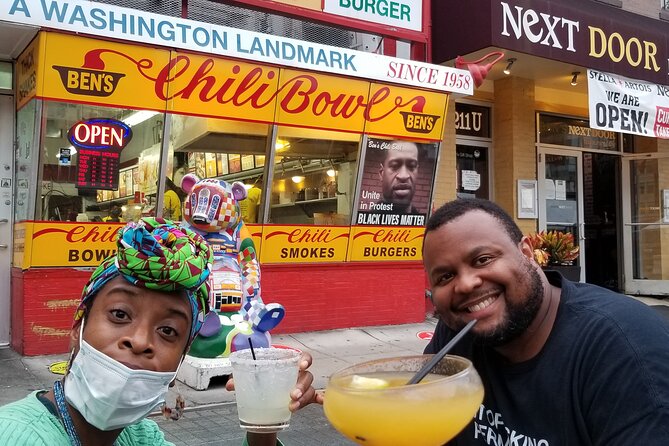
At Ben’s Chili Bowl, you get a built-in break, usually around 25 minutes. This is a famous DC eatery, known for serving multiple generations and for being a destination for presidents and tourists alike. It also serves as the tour’s practical reset button.
The food is not included. You buy your own refreshments here, which is normal for tours with a stop like this. The upside is that you can choose what you want without the awkwardness of a group meal decision.
How to use this time well: if your energy is running low, this is your moment to refuel and ask questions to the guide while you wait. If you want to stay efficient, grab something quick, then be back on the move.
One small caution: since this is an iconic spot, expect a popular vibe. The tour gives you enough time to eat, but it is not designed for a long sit-down experience.
1901 14th St NW: Billie Holiday at Club Bali
After lunch time energy, you head to 1901 14th St NW, the former site of Club Bali, described as a favorite performance spot of Billie Holiday.
This stop is powerful because it connects the Black performance scene to one of the most recognizable jazz vocalists in history. Even if you only know a few Billie Holiday songs, the address link makes it feel local and grounded, not museum-only.
It also helps explain how venues functioned like networks. One performer’s presence could bring attention, and attention could bring more audience, more opportunities, and more momentum.
What to expect: again, the stop is short. You get a focused story and a place to anchor the name, then you keep walking.
1461 S St NW and the Halfway House ending
The tour finishes at 1461 S St NW, connected with Georgia Douglas Johnson’s House, often referred to as the Halfway House. This ending location is different from the theater stops. It shifts toward community and culture building in a social setting.
This address is where the Saturday Nighter’s Club would meet to discuss poetry, social justice, and Black culture. That detail changes the tone of the ending. You stop thinking only in terms of performances on stages, and you start thinking about ideas, writing, debate, and community conversations.
Why this ending works: it broadens your takeaway. The Harlem Renaissance in DC is not only about songs and shows. It is also about people gathering to shape culture and push for change.
The walk ends right there, so you can transition into your own plans afterward without having to reverse course.
Who this tour suits best
This is a great fit if you want a walking tour with a clear through-line and strong place connections. It is especially good for:
- First-time visitors who want DC’s arts story tied to Black history
- Music lovers who like when famous names connect to specific streets
- Anyone who prefers learning that is practical, meaning you see the sites rather than only reading about them
- Families who can handle short stops and moderate walking, since the route is designed around quick moments rather than long stays
Because it is about 2 hours and keeps a steady pace, it is less ideal if you prefer long museum-style stops or want minimal walking.
Guide style and how to get more from the tour
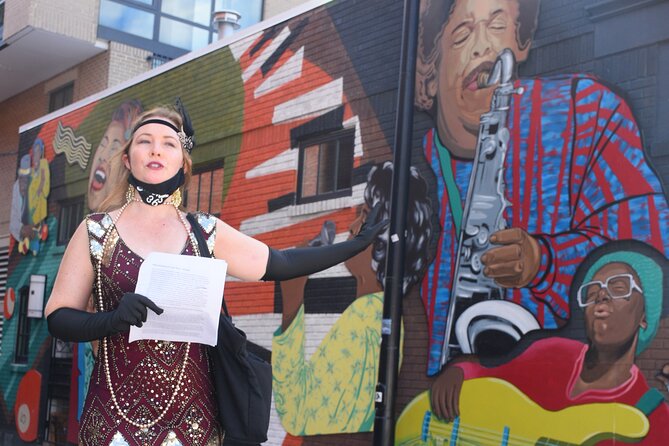
I noticed one theme in how the experience lands: the guide leans into storytelling, including musical context and a period-feel approach. If your guide uses period costume and music, you will feel like you are not just hearing facts, you are stepping into the atmosphere.
Also, ask questions. The tour moves, and the 2 hour runtime can feel fast once the group starts making connections. If you want to maximize the value of every stop, come ready with curiosity, not just a camera.
Weather and comfort: the small stuff that matters
The tour requires good weather, which you should plan around. If conditions are poor and the tour gets canceled, you are typically offered another date or a full refund.
On your side, wear comfortable shoes and expect moderate walking. The route includes several quick stops, so you will be on your feet the whole time, even if each individual location visit is brief.
Also remember that the refreshments stop at Ben’s Chili Bowl is your own expense. If you budget ahead, you will enjoy the break instead of calculating mid-walk.
Should you book this Harlem Renaissance in DC walking tour?
If you like DC history but you are tired of only monuments and presidents, I think you will like this. It uses real performance venues and connected addresses to tell a story that often gets overshadowed. For $30, you get a focused route that fills in the arts and community side of Washington DC in a way that feels grounded.
Book it if you want:
- A tight, name-and-place learning experience
- A guided walk where questions are welcome
- A memorable ending tied to Georgia Douglas Johnson’s House and the Halfway House concept
Skip it or consider alternatives if:
- You want a long, slow paced tour with lots of indoor time
- You dislike eating breaks where the cost is on you
- You need very minimal walking
If you are deciding today, my advice is simple: grab a spot early, come with comfortable shoes, and treat Ben’s Chili Bowl as your earned pause, not an afterthought.
More Tours in Washington DC





More Tour Reviews in Washington DC
More to book around Washington DC
- The Public Group Scooter Tour of DC’s National Mall
★ 5.0 · 3 reviews - National Mall Highlights with Cherry Blossom & Arlington Cemetery
★ 3.5 · 3 reviews - Private Washington DC Monuments Day or Night Bike Tour
★ 5.0 · 3 reviews - Private Tour with US Capitol Or Archives Or Washington Monument
★ 3.5 · 3 reviews - Washington DC Private Guided Bus Day Tour with Step Off Guide
★ 5.0 · 3 reviews - 3-Hour Small Group Memorial Tour in Washington, D.C.
★ 4.0 · 3 reviews
Walking Tours, compared.
 ★ 5.0Arlington National Cemetery Walking Tour & Changing of the GuardsFrom $552,566 reviews
 ★ 5.0Ghosts of Georgetown & The Exorcist Steps Walking TourFrom $39610 reviews
 ★ 5.0Georgetown Foodie Culinary Tour & Neighborhood WalkFrom $79437 reviews
 ★ 4.5Gastronomic Georgetown Walking Food TourFrom $84373 reviews
 ★ 4.5Ghosts of D.C. – Walking TourFrom $29344 reviews
 ★ 5.0Historic Georgetown: History, Gossip, & Architecture Walking TourFrom $49321 reviews
 ★ 4.9Gettysburg: 1863 Historic Downtown Walking TourFrom $25306 reviews
 ★ 5.0Smithsonian Museums Walking Tour with Reserved Air & Space EntryFrom $79297 reviews
Browse the lists this tour appears in