
REVIEW · HISTORICAL TOURS
Embassy Row Spy History Tour with a Former CIA Officer
A walk through DC with spy rules.
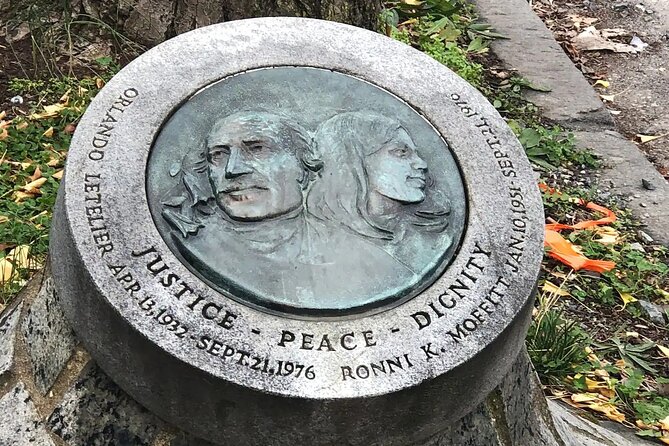
This Embassy Row Spy History Tour uses real embassy-area locations to tell spy stories, from a suspicious death near Dupont Circle to the assassination of Orlando Letelier at Sheridan Circle, all led by a former CIA officer. I like that it blends case facts with practical tradecraft ideas, so you are not just reading names on plaques, you are learning how signals and communication could work in the real world. The group stays small, and the pace is built for a 90-minute street-level experience.
Two things I really like. First, the stop at the Dupont Circle Hotel centers on a suspicious death, which gives the tour its spooky, human scale instead of staying abstract. Second, you do an actual hands-on exercise at the end, practicing impersonal communication and trying to spot the signal and unload the dead drop.
One possible drawback to plan for: this tour depends on good weather, and it is a moderate-walking experience. Also, bottled water is not included, so bring your own if you tend to get thirsty on a brisk stroll.
Key things to know before you go
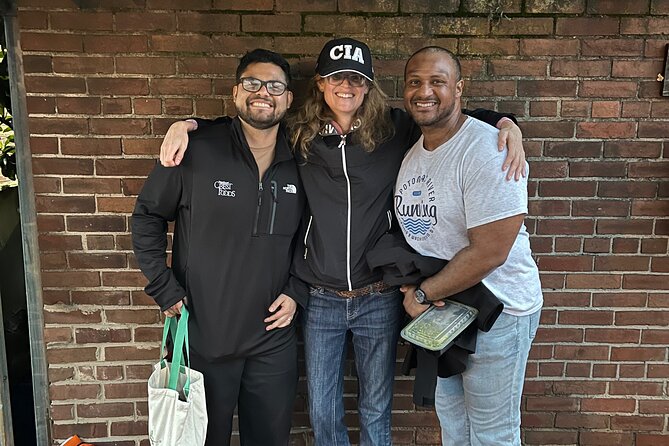
- Former CIA officer-led storytelling that connects specific real-world incidents to how surveillance and communication thinking can work.
- Small group size, up to 25 people, which keeps the interactive moments from feeling like a lecture.
- Dupont Circle Hotel and Sheridan Circle cases are the two anchor stops for the most dramatic true-crime spy history beats.
- Hands-on dead drop practice, where you try to spot the signal and complete the unload step during an impersonal communication exercise.
- English language only and a mobile ticket for easy check-in.
- Plan for walking and weather, and pack water since it is not included.
Deeper into the record
Embassy Row feels like a spy set, because you walk it
Washington DC can look polite on the surface. Then you take a street-by-street approach, and you start noticing the details that matter to anyone watching, waiting, or passing information. This tour leans into that feeling on purpose. It uses Embassy Row-adjacent landmarks, not just big museum names, so the spy history lands where the stories happened or where people would plausibly have moved through daily life.
You get a former CIA officer style lens, which changes the way you think about cause and effect. Instead of treating espionage as movie gadgets, the focus stays on behavior, timing, observation, and the uneasy line between routine and suspicion. That is why the tour works even if you are not a die-hard history person.
Tour logistics: 90 minutes, mobile ticket, and an easy start point
This is priced at $75 per person and runs about 1 hour 30 minutes. That is a very workable length for DC. You can fit it between lunch and an evening show, or pair it with another walk in the city without burning half your day.
The tour starts at the Rear Admiral Samuel Francis Dupont Memorial in Washington, DC (20009) and ends back at the same meeting point. It also uses a mobile ticket, and it is offered in English. If you like straightforward meet-up logistics, this is about as simple as it gets.
Group size matters here. With a maximum of 25 travelers, the guide can keep the pace moving and still do interaction, like the dead drop practice. It is also listed as a moderate physical fitness experience. You do not need to be an athlete, but you should be ready for steady walking in DC conditions.
One small planning note: bottled water is not included. If you are the type who gets dry or cold easily, bring a bottle and plan to sip before you feel behind.
Stop at the Dupont Circle Hotel, where the case starts with suspicion
The tour’s first major story point centers on a suspicious death tied to the Dupont Circle Hotel area. What makes this stop feel different from a typical history walk is the tone. It is not just a date and a verdict. You are encouraged to think like an investigator, asking what is odd, what is missing, and what a curious witness might notice in the wrong light.
If you have ever read crime accounts and thought, I wish I could see the scene logic, this stop is built for you. The guide frames the location so you can picture how people move around a hotel and what information could circulate in a place where outsiders and insiders overlap.
A consideration: since this part focuses on suspicion, it may feel a bit more unsettling than the other stops. If you prefer your spy stories to stay clean and action-heavy, you might still enjoy it, but you should know it starts with the darker human side of the story.
- DC Memorials Night Tour: Glass-Roof Convertible Upgrade Option★ 4.5 · 6,933 reviews
- National Mall Monuments Night Tour with 10+ Stops, Entry Tickets★ 4.5 · 4,863 reviews
- Washington DC Monuments by Moonlight Tour by Trolley★ 4.5 · 3,956 reviews
- Hop-on Hop-off Sightseeing Tour by Open-top Bus with 18 Stops★ 3.5 · 3,848 reviews
- Washington DC in One Day: Guided Sightseeing Tour★ 4.5 · 3,360 reviews
Revolutionary War spy activity, plus a CIA pre-deployment tradition
After you leave the Dupont Circle Hotel story beat, the tour zooms out to an earlier era, covering spy activity during the Revolutionary War. This is a smart choice, because it reminds you that espionage thinking did not begin in the 20th century. People have always tried to gain advantage through information, covert movement, and reading other sides.
Then the tour ties that broader theme to a modern link: you learn about a tradition of CIA officers before they deploy. The key is that it is presented as a tradition, not as a technical manual. You do not get a fictional Hollywood rulebook. Instead, you get a sense of the human side of tradecraft, the idea that readiness often includes routines and mindset.
Why I think this stop is valuable for you: it builds a bridge between history and the way intelligence work is talked about today. Even if you never plan to study espionage formally, you walk away with a cleaner mental model of what changes and what stays constant.
Sheridan Circle and the assassination of Orlando Letelier
The next big anchor stop is at Sheridan Circle, where you discuss the assassination of Orlando Letelier. This is the moment when the tour’s stakes feel most personal and immediate.
Letelier’s case is used in a way that helps you connect three things: the target, the method of violence, and the larger political ripples that come after. The street-level framing matters because it turns the story into something you can picture as a sequence, not just a headline. You start noticing how timing and location can shape outcomes when someone is trying to create fear or send a message.
For a practical traveler benefit, this stop also teaches you how to look at DC geography with different eyes. Instead of seeing it as a list of circles and statues, you see it as a set of routes, visibility angles, and the kind of place where news can travel fast.
Impersonal communication practice: spotting the signal and unloading the dead drop
This is the part many people remember, and for good reason. The tour includes a hands-on exercise where you practice impersonal communication, then try to spot the signal and unload the dead drop.
Even if you have never done anything like this before, you will get a chance to try. That matters, because spy history can feel distant when it is only told. Here, you get a little pressure, a little attention training, and a little teamwork energy, all in a controlled, safe way.
What I like for your experience: it turns abstract concepts into something you can feel in your body. You start paying attention to cues, timing, and how a message can be passed without a direct exchange that would look suspicious. You are basically learning to watch for signals in plain sight.
A key consideration: this is an interactive game-like segment. If you hate attention or get stressed by group activities, you should still be able to participate, but you might prefer to mentally treat it as a practice drill rather than a performance. The goal is to give you the mechanics, not to test you.
What makes it worth $75 in Washington DC
Washington DC prices can be all over the map. Some tours are cheap and general. Some are expensive and vague. This one lands in a fair value zone because you get a mix of story and participation.
Here is where the value comes from:
- Time and depth for a short tour: about 1 hour 30 minutes is long enough to hit multiple real stops, but not so long you feel stuck.
- A former CIA officer style approach: the tour is positioned around CIA tradecraft and intelligence thinking, which you rarely get on a walking tour.
- Real locations, not just talking points: Dupont Circle Hotel area and Sheridan Circle anchor the stories in places you can mentally revisit later.
- Interactive practice: the impersonal communication exercise and dead drop component are the difference between watching and doing.
And remember, the tour includes all fees and taxes. Bottled water is not included, but that is easy to fix by bringing your own. Net-net, for $75, you are paying for a specific experience style: street-based spy history plus structured participation.
Who this is best for, and who should choose something else
This tour is a strong fit if you like:
- spy history with a practical tone
- walking tours that teach you how to read a place
- interactive elements that break up the usual DC format
- small-group experiences in the embassy-area vibe
It is also a good choice for couples and friends who want something different than another museum line. The tour’s structure keeps moving, and the hands-on segment is a natural shared moment.
Where it may not be your best match: if you want pure academic history with lots of primary-source detail, this might feel more guided and scenario-based. And if you have mobility limits, you should treat the moderate physical fitness note seriously and pick your pace carefully.
How to get the most from every stop
You can make this tour better with a few simple choices:
- Dress for DC weather: it requires good weather, and the walking is steady. Bring layers even if the day looks mild.
- Bring water: bottled water is not included.
- Use your phone wisely: you have a mobile ticket, so make sure it is ready offline if you need it.
- Arrive a bit early: starting at the Rear Admiral Samuel Francis Dupont Memorial means you want to find the exact spot without rushing.
- Lean into the practice: the dead drop exercise is the takeaway you will talk about later.
Also, ask questions in the moment when a stop feels confusing. This kind of storytelling works best when you can connect the idea to the location you are standing in.
If the “suspicious death” tone worries you, here is how to think about it
This tour does start with a suspicious death discussion. That could feel heavy if you prefer lighter spy fare. A helpful mindset: treat it like case briefing. You are learning how people might interpret unusual circumstances, not just soaking in gloom.
Then the story pivots. The Revolutionary War content and the CIA tradition piece shift the mood toward patterns and practice. By the time you reach the Orlando Letelier assassination and then the dead drop exercise, the tour has moved from unsettling questions to hands-on intelligence thinking.
That pacing is part of the design, and it helps the tour feel balanced rather than one-note.
Should you book this Embassy Row Spy History Tour?
You should book it if you want a 90-minute Washington DC walk that mixes real locations, a former CIA officer style viewpoint, and an actual interactive tradecraft practice. It is also a good pick if you are tired of tours that only tell you what to look at and never give you a reason to pay attention in the moment.
I would skip it if you want a purely museum-style experience, if you cannot handle moderate walking, or if you dislike interactive activities that require your participation. And if you hate cold weather walks, keep an eye on the good-weather requirement, because DC can change quickly.
If you match those criteria, this is the kind of tour that makes DC feel like a living intelligence lesson, not just a set of landmarks.
FAQ
What is the price per person?
The tour costs $75.00 per person.
How long is the Embassy Row Spy History Tour?
It runs for about 1 hour 30 minutes.
Where does the tour start and end?
It starts at the Rear Admiral Samuel Francis Dupont Memorial in Washington, DC 20009, USA, and ends back at the same meeting point.
Is the tour offered in English?
Yes, the tour is offered in English.
Do I need a printed ticket?
No. You receive a mobile ticket.
What is the maximum group size?
The tour has a maximum of 25 travelers.
Is bottled water included?
No, bottled water is not included.
Is the tour suitable for people with moderate mobility needs?
It requires a moderate physical fitness level.
Are service animals allowed?
Yes, service animals are allowed.
What is the cancellation policy?
You can cancel for free up to 24 hours in advance for a full refund. The experience requires good weather, and if it is canceled due to poor weather, you will be offered a different date or a full refund.
More Tours in Washington DC





More Tour Reviews in Washington DC
More to book around Washington DC
- The Public Group Scooter Tour of DC’s National Mall
★ 5.0 · 3 reviews - National Mall Highlights with Cherry Blossom & Arlington Cemetery
★ 3.5 · 3 reviews - Private Washington DC Monuments Day or Night Bike Tour
★ 5.0 · 3 reviews - Private Tour with US Capitol Or Archives Or Washington Monument
★ 3.5 · 3 reviews - Washington DC Private Guided Bus Day Tour with Step Off Guide
★ 5.0 · 3 reviews - 3-Hour Small Group Memorial Tour in Washington, D.C.
★ 4.0 · 3 reviews
Historical Tours, compared.
 ★ 4.52-Hour Gettysburg Battlefield Guided History Bus Tour with a National Park GuideFrom $432,201 reviews
 ★ 4.5Guided African American History Tour with Reserved Museum EntryFrom $891,180 reviews
 ★ 4.5DC Monuments & History Guided E-Cart Tour-BlanketsFrom $52450 reviews
 ★ 5.0Smithsonian Museum of Natural History – Exclusive Guided TourFrom $89446 reviews
 ★ 4.5Baltimore’s Historical Sightseeing TourFrom $44437 reviews
 ★ 4.5African American History Tour with Museum of African American History TicketFrom $90390 reviews
 ★ 4.5Ghost Tour: History and Haunts – Family Friendly – Best in GettysburgFrom $23378 reviews
 ★ 5.0Historic Georgetown: History, Gossip, & Architecture Walking TourFrom $49321 reviews
Browse the lists this tour appears in