
REVIEW · WALKING TOURS
Beyond the Closet Walking Tour
Queer history in DC hits different on foot. This 2 hour 30 minute LGBTQ-focused walking tour connects landmarks to real stories of persecution, first protests, and community building. You get a guided route that stays practical, with enough time at each stop to absorb what you are seeing.
I especially like two things: the clear, human scale of the stops, and the way guide Zach handles questions without rushing. With a maximum of 15 people, the group stays small enough for real conversation instead of just hearing facts while everyone checks the clock.
One heads up: the tour does not provide bottled water or snacks. If you are prone to low energy on walks, bring water and a small snack plan so the day stays enjoyable.
Key points worth your time
- Small group, max 15 people: better questions, better attention, less shuffle.
- Guide Zach leads the route: clear explanations and time for group questions.
- Three central landmarks: Lafayette Square, the White House area, and Dupont Circle.
- Mostly free entry points: Lafayette Square and the Dupont Circle stop are ticket free.
- Finish near transit: you end at Dupont Circle North Metro Station for an easy next step.
More walking, less waiting
Why This 2.5 Hour LGBTQ Walking Tour Works
This is the kind of tour that makes the city feel personal. You are not just sightseeing, you are tying visible places to what happened there, including periods of LGBTQ persecution and organizing. The route keeps moving, but it still gives you short bursts at each stop so the stories land.
The pacing is also smart for most visitors. About 2 hours 30 minutes is long enough to feel like a full experience, but not so long you feel wrecked before lunch. And because the group is limited to 15, you are less likely to get lost in the herd.
The best part is the tone. The tour stays grounded in what you can see and what that place meant to LGBTQ people at the time. You do not need special background knowledge to follow along, and you will still come away with names and details you can keep using the next time you walk these streets.
Start at Farragut Square: Easy to Find, Easy to Begin
You meet at Farragut Square, 912 17th St NW, Washington, DC 20006. The start time is 9:30 am, which is a solid choice because morning walking in DC is usually more comfortable than peak afternoon heat.
I like that the meeting point is a major anchor area. If you are coming by public transportation, this part of the city is generally straightforward to reach. It also means you can arrive a bit early, orient yourself, and settle your brain before the first stop.
You also use a mobile ticket. So you are not hunting for paper. Just make sure your phone battery is healthy before you head out, since you will likely want it ready when check-in happens.
Lafayette Square: LGBTQ Persecution and an Early Protest in the US
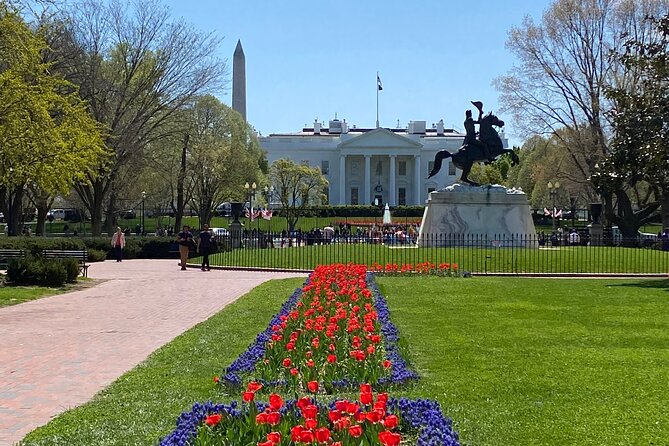
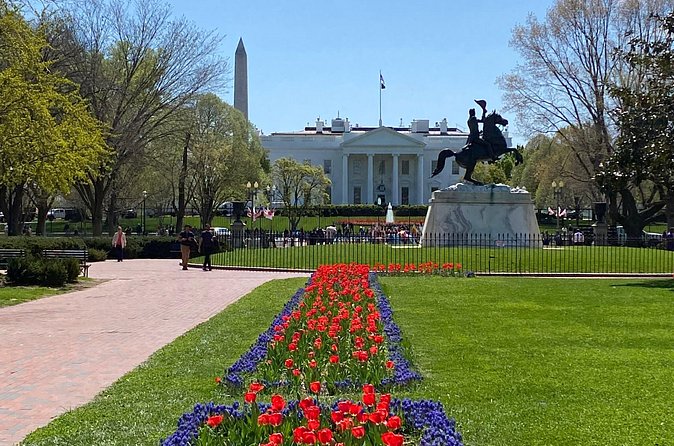
Stop one is Lafayette Square. Expect about 15 minutes here, focused on LGBTQ persecution during the 1940s to 1960s. You also get to connect the landmark to the sight of the first protest in the US for LGBTQ rights.
That combination matters. Persecution is not abstract when you are looking at a recognizable civic space like this. You are seeing how public space can become a stage for resistance, even when the stakes were high.
A second reason this stop is valuable is that it gives you a starting timeline. Once you understand the “then,” the later stops make more sense, especially when the tour shifts toward community influence and public organizing. This is where the tour plants the foundation: what was happening, why it was dangerous, and why protesting in public mattered.
Practical tip: this is an outdoor stop. Wear comfortable shoes and keep a light layer in mind, since DC weather can swing. If you tend to get distracted outdoors, bring your attention back to the guide’s key points instead of trying to read every sign you pass.
- DC Memorials Night Tour: Glass-Roof Convertible Upgrade Option★ 4.5 · 6,933 reviews
- National Mall Monuments Night Tour with 10+ Stops, Entry Tickets★ 4.5 · 4,863 reviews
- Washington DC Monuments by Moonlight Tour by Trolley★ 4.5 · 3,956 reviews
- Hop-on Hop-off Sightseeing Tour by Open-top Bus with 18 Stops★ 3.5 · 3,848 reviews
- Washington DC in One Day: Guided Sightseeing Tour★ 4.5 · 3,360 reviews
The White House Stop: First Openly Gay Woman in a Presidential Administration
Then you head to the White House area for about 10 minutes. The focus is on the first openly gay woman who served in a presidential administration.
This short stop can feel quick, but it is actually a good design choice. The White House is one of the most photographed places in Washington, yet people often walk past it without understanding who shaped political life beyond the headlines. A focused, time-limited story keeps it from turning into a generic photo break.
What you are really learning here is about representation at the highest level of government. That theme connects back to the earlier period of persecution. You go from the reality of exclusion and hostility to the presence of someone who was openly gay inside the administrative world, which is a big shift in context.
One consideration: the tour notes that any White House admission is not included. So do not plan on an entry ticket being part of this experience. Think of this as learning at the site rather than doing a long internal visit.
Dupont Circle: A First Gay Bookstore and Pride Momentum
Your final stop is Dupont Circle. Expect about 15 minutes, and this is where the tour leans into community. You learn about the first gay bookstore in Washington, DC and how its community influence helped support what became the Capital Pride parade.
This is one of the best ways to understand LGBTQ history. It is easy to focus only on conflict, but community spaces create people and networks too. A bookstore is not just about books. It is a gathering point, a place where identity becomes visible and where information, support, and connections can grow.
You also get a sense of continuity. The story is not simply that things happened, then stopped. It’s that organizing energy can evolve, and public events can grow out of local spaces and local people. That is why this stop lands well right after the earlier civic protest story.
Practical tip: because this is the end of the walking route, keep your energy for the last transfer. The tour ends at Dupont Circle North Metro Station, so you can smoothly switch from walking to subway or another plan.
Price and Value: What $30 Buys You
The price is $30.00 per person. For a 2 hour 30 minute guided walking tour, that is in line with other neighborhood-based tours in major cities, but what makes it feel like value is the structure: three meaningful stops in central DC, guided time at each one, and a small group size.
Also, most of the stop components are ticket free. Lafayette Square and the Dupont Circle stop are listed with free admission tickets. The White House stop is the one where admission is not included, so you are not paying extra at the stops the way you might on other landmark tours.
The other value lever is the guide interaction. When you are with a max of 15 people, you tend to get more real Q and A time. If you like learning from a person instead of only from a device screen, that matters.
One more thing: the tour is offered in English. If you want a straightforward explanation and you are comfortable with English, you will be able to follow every stop without translation delays.
What to Expect on the Walk (and How to Plan)
The tour is a guided walking format, so your comfort will shape how much you enjoy it. The big planning items are not complicated, but they matter.
Bring your own water. No bottled water is provided. DC walking can add up faster than you expect, especially if you move between stops and stand outside for story time.
Bring snacks if you need them. No food is provided during the tour. If your blood sugar tends to dip, pack something small and easy, like a granola bar or fruit.
Since the tour ends near metro, you can plan the rest of your day without stressing. You do not need to scramble for transportation at the finish. It is the kind of schedule that works for a same-day museum plan, a late breakfast, or a quick meal afterward.
Also consider this is an outdoor experience. Dress for the weather, and do not forget simple basics like sun protection if the day turns bright.
Who This Tour Suits Best
This walking tour is a strong fit if you want your DC sightseeing to mean something beyond architecture and monuments. It is especially good for people who like historical context tied to the streets they are walking.
It also suits visitors who prefer conversation and questions. With a group size cap of 15 and a guide named Zach, the format supports dialogue, not just one-way lecturing.
If you dislike walking or prefer fully indoor, timed-entry experiences, you might find the outdoor focus and brief stop lengths less satisfying. The tour is designed to be moving and clear, not slow and lingering.
If you are traveling with accessibility needs, the tour notes that service animals are allowed and it is near public transportation. For anything else, you would want to consider your own comfort with a downtown walking route.
Quick stop-by-stop recap
- Lafayette Square: 15 minutes on LGBTQ persecution (1940s to 1960s) and the sight of the first US protest for LGBTQ rights.
- White House area: 10 minutes focused on the first openly gay woman in a presidential administration, with admission not included.
- Dupont Circle: 15 minutes on the first gay bookstore and its community influence, including starting momentum for the Capital Pride parade.
This structure keeps the tour balanced. You get past, then a landmark shift, then community forward motion.
Should You Book Beyond the Closet Walking Tour?
Book it if you want a compact, guided way to learn LGBTQ DC history with real places tied to specific stories. I think the combo of a small group, a guide who can answer questions, and a route that connects protest and community makes it a memorable use of your time.
Skip it or adjust expectations if you want a longer museum-style experience or you are counting on White House admission. This tour is a walking and learning format, not a ticketed internal-site day.
If you are planning a DC trip and you like your history grounded in the streets, this is a smart, efficient add-on. It is also a nice choice for repeat visitors, because it gives new context to landmarks you already walk past.
FAQ
How long is the Beyond the Closet Walking Tour?
It runs for about 2 hours 30 minutes.
How much does the tour cost?
The price is $30.00 per person.
Is the tour guided, or can I do it on my own?
It is a guided walking tour only.
What do I need to know about admission at the stops?
Admission is free for Lafayette Square and the Dupont Circle stop. Admission for the White House stop is not included.
What should I bring with me?
Bring your own bottled water, since no bottled water is provided. Also bring snacks if you need food for health reasons, because no food is provided.
Where does the tour start and end?
It starts at Farragut Square, 912 17th St NW, Washington, DC 20006, and ends at Dupont Circle North Metro Station, 1908-1998 Q St NW, Washington, DC 20036.
Can I get a full refund if I cancel?
Yes. You can cancel for a full refund if you cancel up to 24 hours before the experience’s start time.
More Tours in Washington DC





More Tour Reviews in Washington DC
More to book around Washington DC
- The Public Group Scooter Tour of DC’s National Mall
★ 5.0 · 3 reviews - National Mall Highlights with Cherry Blossom & Arlington Cemetery
★ 3.5 · 3 reviews - Private Washington DC Monuments Day or Night Bike Tour
★ 5.0 · 3 reviews - Private Tour with US Capitol Or Archives Or Washington Monument
★ 3.5 · 3 reviews - Washington DC Private Guided Bus Day Tour with Step Off Guide
★ 5.0 · 3 reviews - 3-Hour Small Group Memorial Tour in Washington, D.C.
★ 4.0 · 3 reviews
Walking Tours, compared.
 ★ 5.0Arlington National Cemetery Walking Tour & Changing of the GuardsFrom $552,566 reviews
 ★ 5.0Ghosts of Georgetown & The Exorcist Steps Walking TourFrom $39610 reviews
 ★ 5.0Georgetown Foodie Culinary Tour & Neighborhood WalkFrom $79437 reviews
 ★ 4.5Gastronomic Georgetown Walking Food TourFrom $84373 reviews
 ★ 4.5Ghosts of D.C. – Walking TourFrom $29344 reviews
 ★ 5.0Historic Georgetown: History, Gossip, & Architecture Walking TourFrom $49321 reviews
 ★ 4.9Gettysburg: 1863 Historic Downtown Walking TourFrom $25306 reviews
 ★ 5.0Smithsonian Museums Walking Tour with Reserved Air & Space EntryFrom $79297 reviews
Browse the lists this tour appears in