
REVIEW · TOURS
Washington DC Sightseeing Tour by Electric cart or Vintage Car
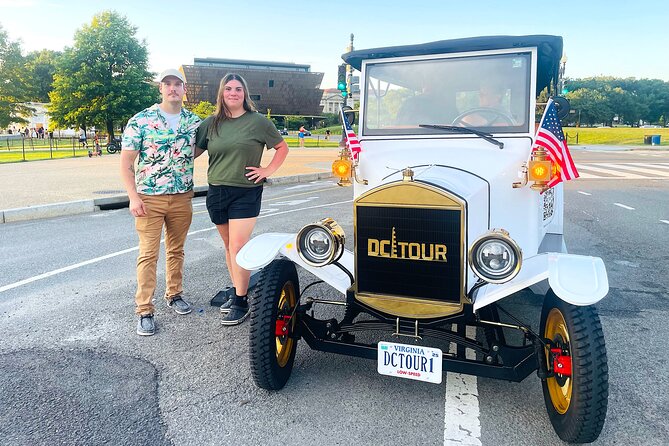
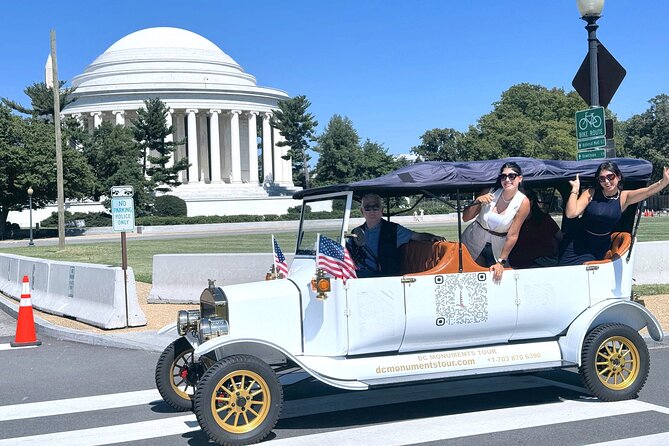
Monuments, but with wheels and warm blankets. This DC tour is built for people who want iconic sights fast, from Capitol Hill to the Lincoln and MLK Memorials, with the option to see it all lit up at night. You get a comfy ride in a replica Model T luxury vehicle or a vintage electric cart, plus short stops so you can look up close and snap photos.
What I like most is how efficiently the route moves you around without the hassle of driving, parking, and long walks. I also appreciate the human touch, like the heavy blankets some guides use on cold tours, and the guide energy people talk about most, including Paul, Vernon, Maurice, Cameron, Camry, Veronica, and Will.
One key consideration: the experience requires good weather. If conditions are poor, you may be offered a different date or a full refund.
Key Points to Know Before You Go
- Replica Model T or vintage electric cart, so you get close views without tiring from stairs and sidewalks
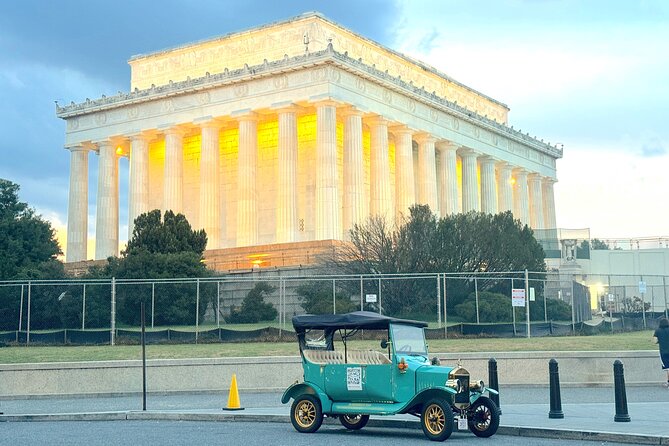
- Day or night timing, with night routes a standout for seeing the monuments lit and looking less crowded
- Short, timed photo stops (often 10 to 15 minutes), designed for quick photos and clear sight lines
- Fleet capacity for up to 72 people, split across 4- and 7-seater vehicles
- Guides with personality and facts, frequently praised by name in real visitor feedback
Also open around Washington DC this week:
Getting Around DC in Style, Model T Comfort vs Electric Cart Ease
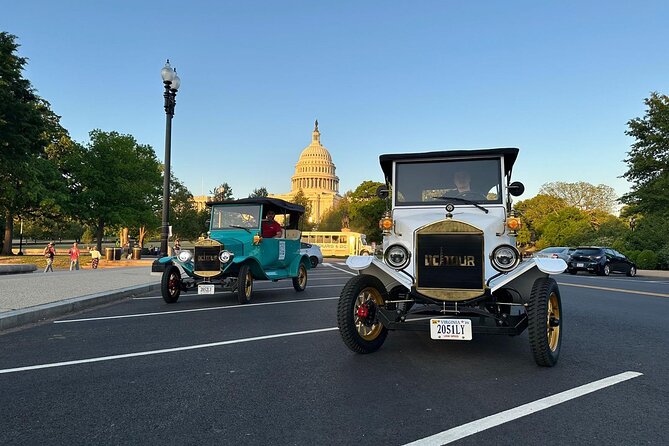
This tour is all about reducing friction. You’re not stuck figuring out where to park or how long each walk will take. Instead, you travel between major stops in a classic-style vehicle, either a replica Model T or a vintage electric cart, depending on your group and what’s available.
The practical win is simple: your feet and patience stay in better shape for the rest of your trip. If you’re traveling with kids, balancing a short stay, or just hate standing in lines for transportation logistics, this is the kind of plan that makes sightseeing feel manageable.
The 2-Hour Loop Through DC Classics, With Day or Night Options
The tour runs about 2 hours. That time box matters in Washington, DC, because many landmarks are spread out and the “I’ll just walk between them” plan can turn into an all-day exercise pretty quickly.
You can choose a day tour or a night tour. Daytime gives you crisp sight lines for details in stone and quotes. Nighttime turns the same memorial spaces into a different mood, with monuments glowing and more relaxed pacing for photo stops. If you can swing it, night is often the favorite style of sightseeing for people who want the city to feel like a show without doing anything complicated.
Capitol Hill Stop: Quick Close-Ups and a Signature Photo Moment
Capitol Hill is the first stop. You’ll view highlights from the area while riding in an open-style classic vehicle. The tour includes a picture with the T-model replica, which is a fun way to start because you’re not just rushing to the next landmark before you even feel settled.
This first stop works as an orientation moment, too. Before you head to the National Mall, you get a better sense of where major DC sights sit relative to each other. If you’re the type who likes to later build your own day plan around what you saw, this early perspective helps.
One small reality check: because the stop is around 15 minutes, you’ll want to decide quickly where you want photos and what you want to look for. Think “best angles first,” then spend the remaining time soaking in the bigger scene.
- DC Memorials Night Tour: Glass-Roof Convertible Upgrade Option★ 4.5 · 6,933 reviews
- National Mall Monuments Night Tour with 10+ Stops, Entry Tickets★ 4.5 · 4,863 reviews
- Washington DC Monuments by Moonlight Tour by Trolley★ 4.5 · 3,956 reviews
- Hop-on Hop-off Sightseeing Tour by Open-top Bus with 18 Stops★ 3.5 · 3,848 reviews
- Washington DC in One Day: Guided Sightseeing Tour★ 4.5 · 3,360 reviews
National Mall Monuments: The Washington Monument’s Obelisk Story
Next up is the National Mall area and the Washington Monument. The big takeaway here is the monument’s shape and symbolism: it’s built in the form of an Egyptian obelisk and rises 555 feet above Washington, DC. It’s one of those structures that looks straightforward until you start reading the symbolism and noticing the way the space frames it.
The tour’s stop is about 5 minutes. That’s short, but it’s designed for the right goal here: quick photo angles and a fast mental map. If you’re hoping for a long, slow walk around the grounds, this isn’t trying to replace a self-guided National Mall morning. Instead, it gives you the “you are here” view so you can spend longer later if you want.
Lincoln Memorial and Jefferson Memorial: Quotes You Can Actually Read
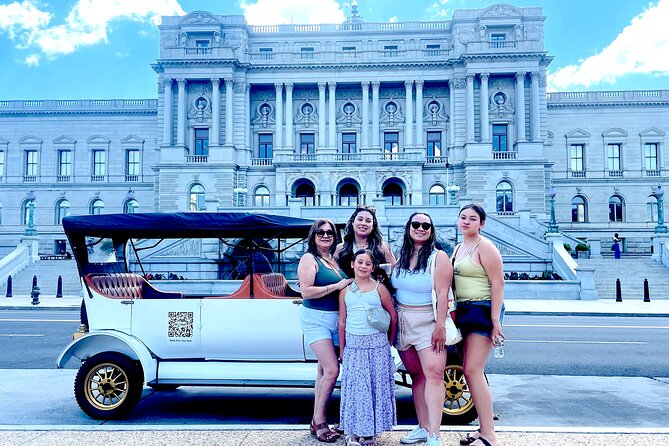
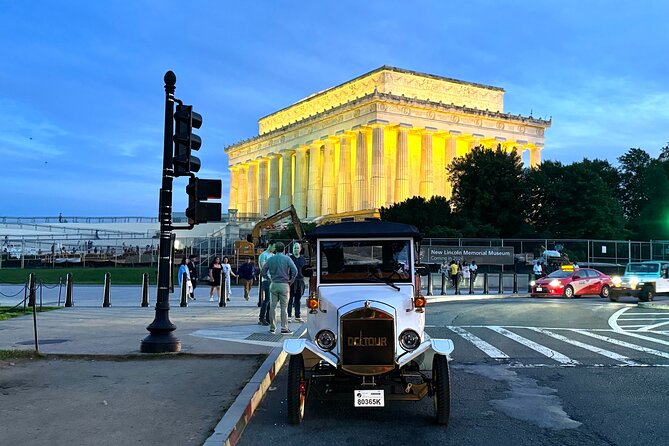
The Lincoln Memorial stop is around 15 minutes. This is where the tour earns real points for focus, because Lincoln’s message is the heart of the experience. The memorial symbolizes ideals of freedom, equality, and democracy, and there’s value in stepping inside if you can.
You also get a strong viewpoint element. From the Lincoln Memorial area, you can see surrounding monument spaces and the broader layout, including the National Park and Congress area mentioned in the tour notes. If this is your first time in DC, it helps you understand why people get so excited about “seeing the memorials in context,” not just as isolated photos.
Then you move to the Jefferson Memorial for about 10 minutes. The tour highlights Jefferson’s connection to the Declaration of Independence and his role as the nation’s third president, plus it points out the memorial’s quotes and how they reflect Jefferson’s ideology and philosophy. This is one of the stops where I think you’ll appreciate the guide’s pacing, because the time is short and it helps to know what to look for.
Tip for this pair of stops: when you step inside, pick one quote or detail and spend your short time reading it fully. It turns a quick photo stop into something memorable.
World War II Memorial and Martin Luther King Jr. Memorial: Meaning Without the Marathon

The next memorial sequence is built for emotional weight but still respects your time. The World War II Memorial is described as a tribute to service, sacrifice, unity, and victory, with stone architecture and bronze statues. If you’ve only ever seen it in pictures, the physical layout can land differently once you’re close.
From there, you go to the Martin Luther King, Jr. Memorial for about 10 minutes. The tour frames him through key facts: his leadership in the American civil rights movement, peaceful protests with the Southern Christian Leadership Conference, the March on Washington in 1963, and the Nobel Peace Prize in 1964.
These are both stops where a guide matters. If you’re standing with a group and time is tight, a good explanation helps you connect the dots. And based on real visitor feedback, guides here often bring a mix of facts and humor that keeps the mood from feeling too heavy while still being respectful.
White House Area Views: How DC History Adds Up in One Pass
You’ll also get a look at the White House area. The tour notes that George Washington selected the site in 1791, and while he never lived inside, the home was designed by an Irish architect and completed in 1800. It also mentions that it has survived attacks and a near-concerning second fire, plus efforts to build a rival White House.
This is one of those sections that feels like a quick history “thread.” You’re not doing a full deep-dive museum experience, but you’re picking up the timeline so the next time you hear the words White House, you connect them to why it looks and matters the way it does.
Photo-wise, you’ll want to be efficient. With a short time window, aim for your best exterior angle first, then use the rest of the time to check sight lines to nearby memorial spaces.
How the Photo Stops Really Work, So You Don’t Feel Rushed
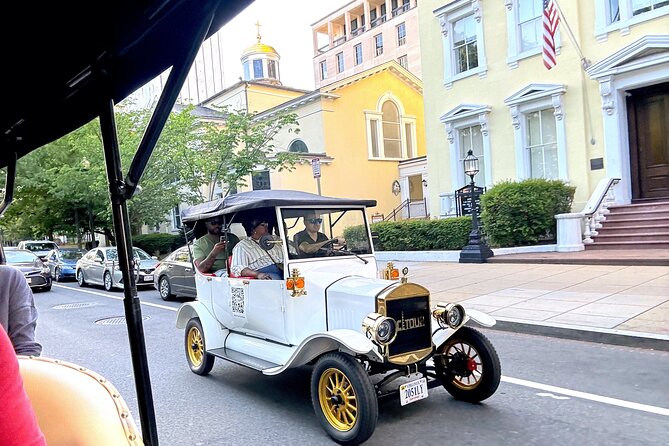
Across the itinerary, you’ll typically get stops around 10 to 15 minutes. That sounds brief, but it’s a smart approach for first-time DC visits. It keeps the tour moving, while still giving you enough minutes to step out, orient yourself, and take a few photos without feeling trapped in the vehicle the whole time.
A couple practical ways to make those stops work for you:
- Decide your photo spot before you fully stand up and scatter
- Bring a charged phone, because lighting matters most at night
- Use the guide’s cues, because the best angle is usually something they’ll point out
Also, this is a group experience with a max size of 72. In a larger group, you may notice more coordination at each stop. That’s normal. If you prefer quiet, long wandering time, you’ll still want to plan additional self-guided time after the tour.
Price and Value: Is $53.10 Worth It for 2 Hours in DC?
At $53.10 per person, you’re paying for convenience plus interpretation. You’re not paying for monument entry fees on this tour, since the tour notes admission ticket free for the listed stops. The value comes from getting transportation, a route plan, and explanations in a tight time window.
Here’s how I’d think about it as a traveler: if your schedule is short and you want to hit the biggest hits, the cost can be cheaper than spending the same time doing multiple rideshare trips or dealing with parking headaches and long walks. It also helps you avoid the “we only saw one or two things” problem that happens when DC plans get slowed down.
You also get day or night options. That matters because you can match the tour to your energy level. If you’re fresh and want classic daytime photos, do day. If you want dramatic lighting and a more relaxed feel, do night.
Guides Make the Experience, With Names People Kept Mentioning
A big part of the satisfaction here is the guide experience. In real feedback, guides with standout mentions include Paul, Vernon, Maurice, Cameron, Camry, Veronica, and Will. People praise things like being patient, taking time at the stops, and giving solid historical context without making it feel like a lecture.
You’ll also notice a pattern in the comments: guides help with comfort and flexibility. For example, on cold tours, heavy blankets were mentioned as helpful. And in general, the best guides handle the pace so you do not feel rushed at each stop.
If you’re someone who enjoys learning while traveling, this is one of the few DC formats where you can fit meaningful context into a short day.
Best Fit: Families, First Timers, and Anyone Short on Time
This tour is a strong match for:
- Families with kids, since the vehicle reduces fatigue and the short stops keep kids from burning out
- First-time DC visitors, who need a fast overview and a better mental map for planning later
- Couples or friends with limited time, where the goal is maximum icons in minimal effort
- People who prefer a guided plan over stitching together multiple transit routes
It’s also a good add-on if you’re doing museums later. The tour covers key memorial landmarks, then you can decide where to spend extra time once you understand the geography.
When You Might Skip It, Marathon Traffic and Weather Reality
There are a couple of situations where you should manage expectations. If there’s an event with heavy road closures, traffic can change how smoothly your particular vehicle moves. One less satisfying experience in feedback described delays and a different handling approach after a marathon, which is a good reminder that DC traffic can affect any tour format.
Second, the tour requires good weather. That’s not just a “nice to have.” It affects whether your tour can run as planned. If you’re planning a DC trip that’s statistically likely to have rough weather, consider building in some flexibility.
If your schedule is super tight and you get stuck behind weather or closures, you may wish you had a Plan B for sightseeing, such as museum time or indoor attractions.
Should You Book This Electric Cart or Vintage Car Tour?
If you want a simple, high-value way to see DC’s top memorials in about 2 hours, this tour is an easy yes. It’s built for efficiency, offers real interpretation, and lets you swap between day or night depending on what you want your photos to feel like.
I’d especially book it if:
- You’re on a short timeline and want the big sights
- You dislike navigating parking and long walks between landmarks
- You travel with kids or anyone who prefers comfort
I’d think twice if:
- You are counting on this exact time slot during known event days with possible road closures
- Your plans cannot flex if weather forces changes
FAQ
How long is the Washington DC sightseeing tour?
It lasts about 2 hours.
What vehicle will I ride in?
You’ll ride in either a replica Model T luxury vehicle or a vintage electric cart.
Is there a day or night option?
Yes. Day or night-time tour options are available at checkout.
Where is the meeting point?
The tour starts at 515 15th St NW, Washington, DC 20004, USA, and ends back at the meeting point.
Are monument admissions included?
The tour notes admission tickets are free for the stops listed on the route.
What if the weather is bad?
This experience requires good weather. If it’s canceled due to poor weather, you’ll be offered a different date or a full refund.
Can I bring a service animal?
Yes, service animals are allowed.
More Tours in Washington DC





More Tour Reviews in Washington DC
More to book around Washington DC
- The Public Group Scooter Tour of DC’s National Mall
★ 5.0 · 3 reviews - National Mall Highlights with Cherry Blossom & Arlington Cemetery
★ 3.5 · 3 reviews - Private Washington DC Monuments Day or Night Bike Tour
★ 5.0 · 3 reviews - Private Tour with US Capitol Or Archives Or Washington Monument
★ 3.5 · 3 reviews - Washington DC Private Guided Bus Day Tour with Step Off Guide
★ 5.0 · 3 reviews - 3-Hour Small Group Memorial Tour in Washington, D.C.
★ 4.0 · 3 reviews
Tours, compared.
 ★ 4.5DC Memorials Night Tour: Glass-Roof Convertible Upgrade OptionFrom $696,933 reviews
 ★ 4.5National Mall Monuments Night Tour with 10+ Stops, Entry TicketsFrom $654,863 reviews
 ★ 4.5Washington DC Monuments by Moonlight Tour by TrolleyFrom $483,956 reviews
 ★ 3.5Hop-on Hop-off Sightseeing Tour by Open-top Bus with 18 StopsFrom $493,848 reviews
 ★ 4.5Washington DC in One Day: Guided Sightseeing TourFrom $893,360 reviews
 ★ 5.0DC Monuments and Capitol Hill Tour by Electric CartFrom $552,841 reviews
 ★ 5.0Washington DC Moonlight Tour by Electric CartFrom $742,610 reviews
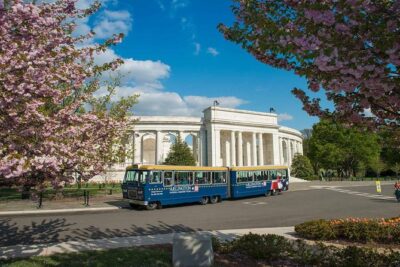 ★ 4.0Washington DC Hop-On Hop-off Trolley Tour with 15 StopsFrom $482,599 reviews