
REVIEW · MUSEUMS
Washington DC Museums self-guided walking tour & scavenger hunt
Washington DC can feel like a lot at once, this turns it into a game. This self-guided walking tour takes you through the National Mall at your own pace while you solve puzzle-style challenges along the way.
I love that you can choose your start date and time, so it fits your day instead of forcing a rigid itinerary. I also like the value math, $44.85 per group up to 6, because you get 3 hours of walking with 30+ challenges and 6 major film locations to keep the route interesting.
One consideration is the hunt depends on your phone, because internet access is required to complete the activity, and the puzzles may have occasional typos or confusing directions.
Key things to know before you go
- Self-guided on the Mall: You’re walking the east half and steering yourself between major landmarks.
- 30+ challenges: The route is built around solving puzzles, not just sightseeing.
- Film locations included: The scavenger hunt layers pop-culture stops into the museum walk.
- Looping route with clear anchors: The route loops near the Capitol front and works its way toward the Washington Monument.
- Smartphone required: You’ll need data or internet access to finish the challenges.
More walking, less waiting


Price and pace: $44.85 per group across 3 hours of the Mall
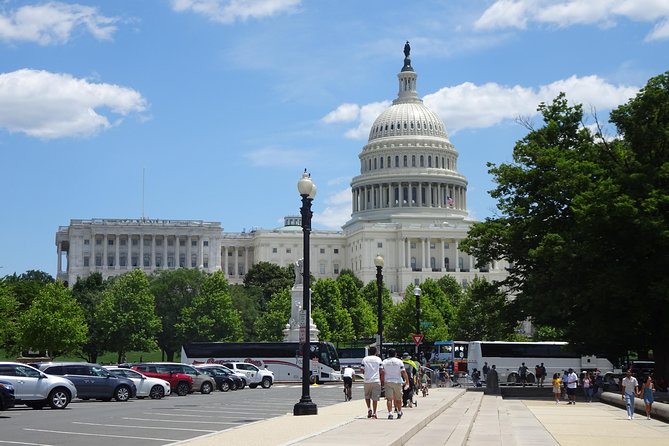
At $44.85 per group (up to 6 people), this isn’t priced like a traditional guided tour. The value really depends on how many of you show up, because your cost stays the same whether you come as 2 people or fill the max group size.
Plan on about 3 hours on your feet. That’s long enough to feel like you covered the Mall, but short enough that you’re not stuck for an entire day. It’s also self-guided, so you can move quickly between stops or slow down when you want to read signs or re-check a clue.
You’ll be walking the east half of the National Mall, starting on Constitution Avenue and ending back at the same meeting point. The route is designed to keep you moving from landmark to landmark, with puzzle moments acting like natural “pause points.”
If you’re traveling with teens, this is one of those rare activities where they can steer their own attention. One family highlight from similar hunts was the moment a teenager got fully engaged, and that kind of payoff matters on the Mall, where people sometimes get museum fatigue.
Getting started at 1500 Constitution Ave NW, then tracking your own route
The tour begins at 1500 Constitution Ave NW, Washington, DC 20004, and it ends back at the meeting point. That matters because you don’t have to worry about finding a distant endpoint, or timing transit after a long walk elsewhere.
You choose your start date and time, so you can build the hunt around sunrise light, midday crowds, or your preferred museum open hours. The provided open hours range widely, and they change by time period, so check your chosen date carefully before you set your plans.
This is also a private experience, meaning only your group participates. That helps because you can search at your own speed without feeling rushed by other parties.
Because it’s near public transportation, you have flexibility if you want to shorten the walk with a quick ride. Just keep in mind the hunt is designed as a continuous route, so skipping major clue sections can make the later puzzles feel disconnected.
How the scavenger hunt works in the real world (and what to bring)
This experience combines walking with a digital scavenger hunt. The key practical detail is that WiFi or internet access is required to complete the activity.
So, before you start, check that you have a workable internet connection on your phone. If you’re in a spot with weak reception, it can slow you down because you’re waiting on the next clue or trying to verify where you are.
The hunt includes 30+ challenges and 6 major film locations. Even if you’re not a big film fan, this helps break up the monotony of reading museum names and looking at monuments, because you’re constantly switching between “where am I” and “what does the clue want.”
Bring comfortable walking shoes and give yourself time to stop and solve without rushing. The challenges can be precise, and one reason people get frustrated is trying to solve while moving too fast.
If you visit in colder months, plan for shorter, warmer scanning breaks. One account mentioned that freezing conditions limited how long they could spend searching, which is exactly what you want to avoid on a puzzle tour.
Other days out with someone who knows
- Washington DC in One Day: Guided Sightseeing Tour★ 4.5 · 3,360 reviews
- Washington DC “See the City” Guided Sightseeing Segway Tour★ 5.0 · 1,924 reviews
- Small-Group Guided Tour inside US Capitol & Library of Congress★ 5.0 · 1,869 reviews
- See DC In A Day: Guided Small Group Ultimate Day Tour★ 5.0 · 1,257 reviews
- Guided African American History Tour with Reserved Museum Entry★ 4.5 · 1,180 reviews
Entering the east-half museum loop: from African American History to the Mall landmarks
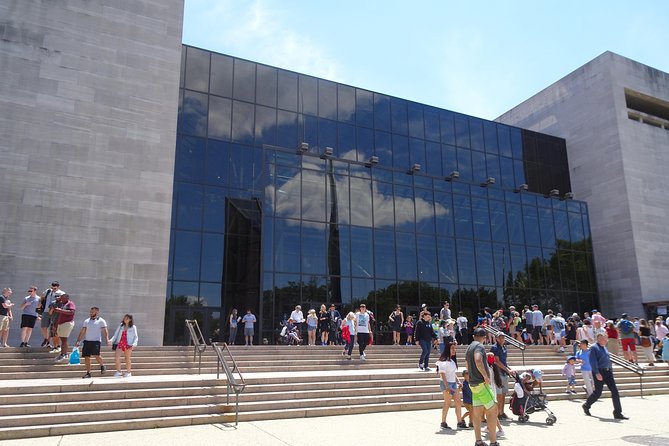
Your journey starts at the National Museum of African American History and Culture. This is a smart kickoff because it’s a major anchor on the east side of the Mall, which gives the hunt an obvious starting point.
From there, you move toward the National Museum of American History. This mid-route museum stop helps you keep your bearings because the building names are big and recognizable, even when you’re concentrating on puzzles.
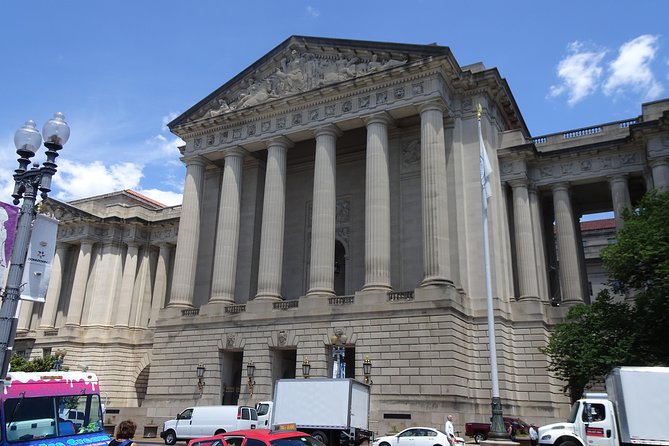
Next on the route is Andrew W Mellon Auditorium. Even if you’re just passing through, this kind of landmark works well for scavenger hunts because it gives clear architecture and a consistent visual reference.
Then you head into the Robert F. Kennedy Department of Justice Building area. One hint from puzzle-style experiences is that directions near government buildings can sometimes send people off-track, so if your clue seems to point somewhere odd, treat it like a “pause and reassess” moment rather than a dead end.
The next stop is the National Archives Museum. By now, you’ve done enough clue-solving that you’ll start recognizing how the hunt expects you to orient yourself, which makes the later parts easier.
From Archives to galleries and the Canada Embassy area
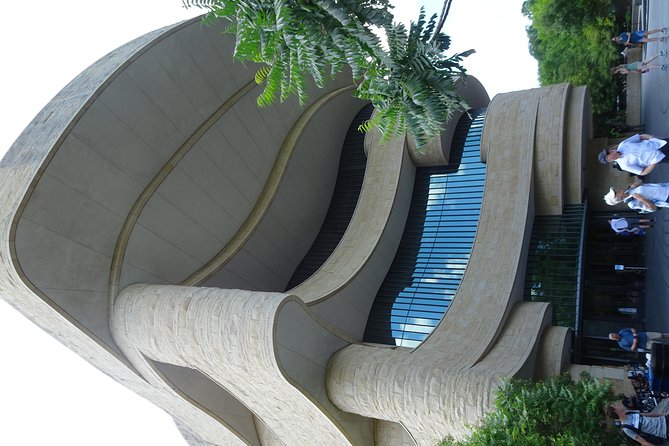
After the National Archives, the route continues toward the National Gallery of Art. The itinerary lists National Gallery of Art twice, which usually means the hunt uses two different puzzle moments in the general area, or it expects you to return to a second viewing point.
Use that second Gallery stop as your reminder to slow down. If you’re used to fast sightseeing, the puzzle format will reward a more methodical pace, because you need to read carefully and verify you’re in the right spot.
Then you’ll encounter the Embassy of Canada to the United States. This is a fun change of pace, because you’re not just circling museums and monuments. The hunt is using a civic landmark type to keep you thinking, not just walking.
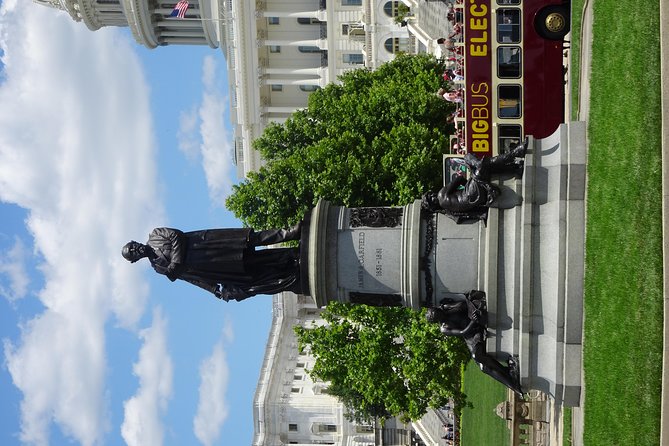
The route then continues to the Ulysses S. Grant Memorial. Memorials can be great puzzle anchors because they’re visually distinct, and you usually don’t need to hunt for the exact entrance to figure out where you are.
By this point, you’re building a mental map of the walk. If you’re doing this as a first-time visitor, you’ll likely feel more confident about how sections of the Mall connect, because the hunt forces you to notice spacing, angles, and what’s near what.
The Capitol front, the Botanic Garden, and the museum density zone

The next major anchor is the United States Capitol. The route description includes looping around the front of the Capitol Building, which is one of the most helpful ways to structure a walking puzzle, because that area gives strong orientation.
After that, you’ll reach the National Mall as a named stop. It sounds obvious, but it’s useful in a scavenger hunt because it signals a transition point where clues likely reset from “one building” to “direction across open space.”
You’ll then head to the United States Botanic Garden. The route notes that you’ll loop around the Capitol front and the Botanical Gardens, which makes sense because the Botanic Garden area creates a calmer break in the museum intensity.
Next comes the National Museum of the American Indian. This is another museum anchor that keeps the hunt grounded in familiar “big building on the Mall” navigation, rather than tiny landmarks.
Then the route moves to Hirshhorn Museum and Sculpture Garden. The word sculpture is a giveaway for the type of puzzle this hunt might use, because sculpture gardens tend to offer clear visual targets.
Smithsonian Arts + Industries, the Castle, and ending at Washington Monument
After Hirshhorn, you’ll reach the Smithsonian Arts + Industries Building. In practice, this is where the walk becomes more “Smithsonian cluster,” meaning you’ll likely be feeling the density of choices around you.
Next is the Smithsonian Castle. This stop is especially important for a scavenger hunt because the Castle is often a natural “meeting point” style landmark. When you’re mid-hunt, having a clear structural anchor can help you recover if you’ve gotten turned around.
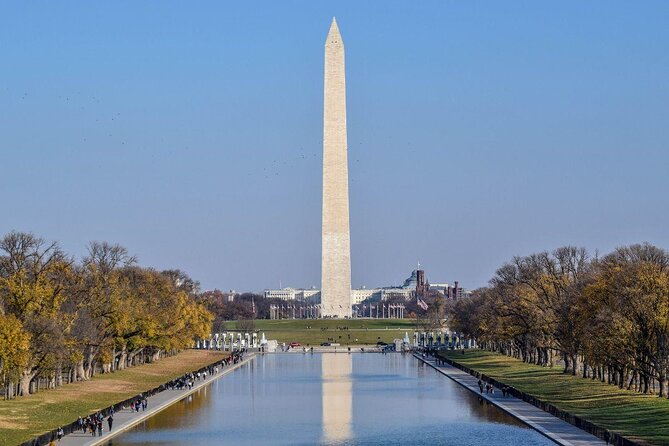
Finally, the route ends at the Washington Monument. Ending at a big, recognizable monument is a smart finish, because it makes the last clue feel like a goal rather than just another step.
The route returns you to the original meeting point, so even though you end with the Washington Monument area, you’re still closing the loop. That “back to start” design is great for planning transit and avoids the stress of trying to get picked up at a different side of town.
What makes this tour fun: challenges, pacing freedom, and teen-friendly focus
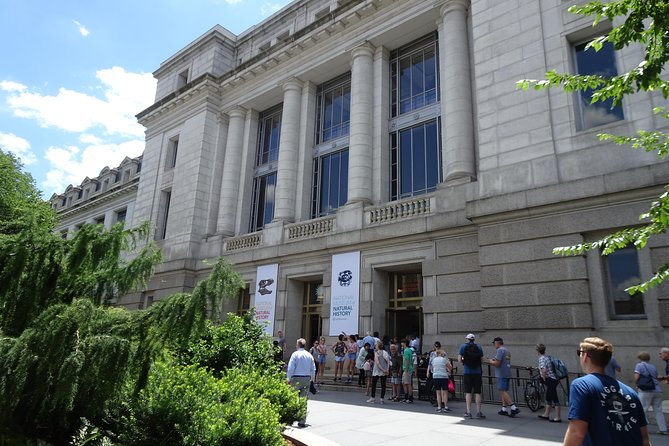
The best part of this kind of activity is that it turns “museum time” into decision-making time. Instead of you trying to remember facts from museum signage, you’re solving challenges that require you to notice details and direction.
The highlights that really hit in feedback are the engagement factor. One family noted that the reward was a teenager’s smile, which says a lot. Teens often need something active to keep interest, and a scavenger hunt does that without requiring you to be overly artsy or museum-nerdy.
I also like the pacing freedom. You can linger at a stop if a clue takes longer, then you can move quickly when you’re cruising. On the Mall, where crowds and lines can vary hour to hour, that control is worth a lot.
And the film location layer can be surprisingly effective. Even if you don’t know every production, the hunt concept makes you look at the setting with fresh eyes, and that changes how “samey” landmarks can feel.
Where this scavenger hunt may frustrate you: typos, confusing directions, and “too obscure”
A key theme to plan for is that the hunt may not be perfectly polished. One account mentioned typos and inaccuracies, including mismatched years and confusing references to well-known figures, plus wrong or unclear direction wording. They still laughed, but it’s a warning if you hate ambiguity.
Another frustration point is clue difficulty. If you are new to DC, very specific or obscure clues can make it hard to understand what you’re supposed to do, which can slow the pace and turn fun into work.
Cold weather can make everything harder too, because clue-solving often requires stopping, looking closely, and reading. If your hands are stiff or you can only stand outside briefly, you may find yourself skipping clue time rather than enjoying it.
Finally, there can be occasional off-track moments around certain government-building areas. One account described getting off route around a clue related to the FBI area, then working their way back to continue. So if the clue seems wrong, use it as a signal to re-orient rather than panic.
Practical tips to make your Mall walking hunt easier
First, treat your phone like part of your gear. Since internet is required, make sure your connection is solid and that your battery is topped up before you start.
Second, build in a “recovery routine.” If you think you missed a clue or you’re unsure where you are, pause, step back, and match the clue to the nearest big landmark. The route is built around major anchors, so you can usually reset your orientation without losing the whole hunt.
Third, keep expectations realistic. This is puzzle-driven walking, so it’s not a museum deep-study. If you want to read every exhibit label, you’ll probably feel rushed within the 3-hour window.
Fourth, travel as a team and divide roles. One person can read the clue, another can scan the surroundings, and a third can check direction cues. That simple workflow reduces stress, especially when clues are small.
If you’re traveling with kids or teens, this format often works because it gives them ownership. Aim for a supportive tone, because one wrong turn can still lead to a great story once you regroup.
Who should book this tour and who might skip it
You should book this if you want a self-guided way to see a lot of major Mall landmarks without committing to a guided group schedule. It’s also a strong choice if you enjoy puzzles, like structured scavenger hunts, or you want a built-in way to keep teens engaged.
You might consider skipping if you hate phone-dependent activities or you know your internet access will be unreliable. It may also feel frustrating if you want perfect accuracy and ultra-clear directions, since the clue content can include typos and occasional confusing references.
If you love the idea of a “choose your own pacing” walk that still has structure, this hits the sweet spot. And if you want to experience the Mall through museum and monument names while solving challenges, you’ll likely come away with better navigation confidence for your next day of sightseeing.
Should you book this Washington DC museums scavenger hunt?
Book it if you want a fun, low-stress way to cover the National Mall’s east side in about 3 hours, with 30+ challenges and film-location moments. The $44.85 per group up to 6 can be excellent value, especially if you’ll fill the group and share the device-reading work.
Skip it if you need a fully accurate, clue-by-clue experience with zero ambiguity, or if you don’t want to rely on internet access. If you go in expecting a playful puzzle format with a few imperfect clues, you’re more likely to enjoy the walk and finish smiling.
More Tours in Washington DC





More Tour Reviews in Washington DC
More to book around Washington DC
- The Public Group Scooter Tour of DC’s National Mall
★ 5.0 · 3 reviews - National Mall Highlights with Cherry Blossom & Arlington Cemetery
★ 3.5 · 3 reviews - Private Washington DC Monuments Day or Night Bike Tour
★ 5.0 · 3 reviews - Private Tour with US Capitol Or Archives Or Washington Monument
★ 3.5 · 3 reviews - Washington DC Private Guided Bus Day Tour with Step Off Guide
★ 5.0 · 3 reviews - 3-Hour Small Group Memorial Tour in Washington, D.C.
★ 4.0 · 3 reviews
Museums, compared.
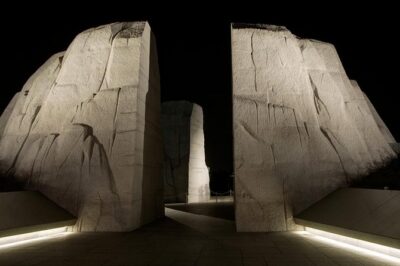 ★ 4.5Guided African American History Tour with Reserved Museum EntryFrom $891,180 reviews
 ★ 5.0Smithsonian Museum of Natural History – Exclusive Guided TourFrom $89446 reviews
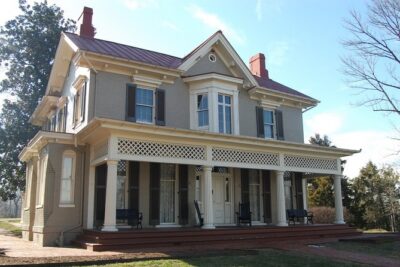 ★ 4.5African American History Tour with Museum of African American History TicketFrom $90390 reviews
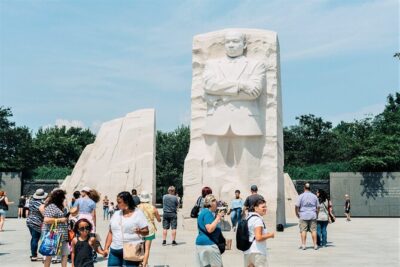 ★ 4.5National Mall Tour with 10 Stops & U.S. Capitol or Museum EntryFrom $59331 reviews
 ★ 4.9African American History Tour & Museum EntryFrom $89312 reviews
 ★ 5.0Smithsonian Museums Walking Tour with Reserved Air & Space EntryFrom $79297 reviews
 ★ 4.5Capitol Combo: U.S. Capitol + Library Congress or Capitol MuseumFrom $79294 reviews
 ★ 4.0U.S. Capitol Tour with Library of Congress or Capitol MuseumFrom $64286 reviews
Browse the lists this tour appears in