
REVIEW · WASHINGTON DC
Sushi Masterclass in Washington D.C. (Includes 4-Course Meal)
Sushi lessons beat restaurant guessing. In Washington DC, this small-group sushi masterclass turns a shared meal into real hands-on cooking time, with a 4-course menu you make yourself over about 3 hours. It is the kind of class where you are not just watching, you are doing.
I especially like how you get focused instruction on the core skills: seasoned sushi rice, knife work, and building both maki and hand rolls. The class is taught in a lively, confidence-building way, and in one standout review the instructor, Chef Made Master, was praised for great energy and lasting sushi-making skills. One thing to consider is that the meeting point is in Centreville, VA (so plan your trip there, not just to central DC).
- Max 8-guest workshop style: intimate attention, not a large demo.
- 4 courses you actively make: salad, maki, special rolls, then hand rolls.
- Real technique focus: seasoned rice, knife basics, roll assembly.
- BYOB-friendly: bring wine or beer, then enjoy what you cook.
- Taught in English: a straightforward class format for most visitors.
A 3-hour sushi masterclass built for hands-on learning (not theater)
If you have ever eaten sushi and wondered how that rice gets so consistent, this is the right format. This cooking class is built around a small group, so you are not stuck waiting your turn while someone else does everything. With a cap listed at up to 6 travelers in the class info, and a workshop size limited to 8 guests in the description, you can count on a quieter room where the chef can actually correct what you are doing.
It is also a practical length. At about 3 hours, you get enough time to learn a few key techniques and still sit down to enjoy the full meal as you go. The menu is not just a single roll. You work through a 4-course spread, which matters because sushi skills are easier to understand when you see how flavors and textures change from one style to the next.
And yes, you should like that it is hosted through Cozymeal with a local sushi chef. You get the convenience of a professionally run class setup, including a mobile ticket and an English-friendly experience, while still getting taught by someone who makes sushi for a living.
A small caution: you should be ready for light hands-on work in a shared kitchen environment. This is cooking practice, so it is not the kind of experience where you can show up expecting everything to be perfectly clean and tidy every second.
Also open around Washington DC this week:




Where you meet in the DC area, and how the class feels once you start
The start point is 14327 Watery Mountain Ct, Centreville, VA 20120. That detail changes how you plan. Even though it is marketed as a Washington DC experience, you are not meeting in the downtown core. If you are relying on rides, plan a buffer so you are not stressed about timing.
Once you are there, the tone is exactly what you want for learning: small-group, kitchen-forward, and guided from start to finish. The class also notes a cozy venue, which usually translates into less walking around and more time at your station. You will be working with ingredients and tools, then eating the results.
One nice touch is that it is BYOB-friendly. That does not mean the class turns into a party. But it does mean you can bring wine or beer and enjoy it during the session. For me, that is part of the value, because you are not paying extra for drinks, and you get to treat the class like a dinner experience instead of a short lesson.
If you have dietary needs, there is a clear instruction to let the team know in advance. The class is designed to accommodate a variety of dietary needs, and they will do their best to tailor the experience to suit restrictions.
The real prize: sushi rice, knife technique, and roll assembly
A lot of sushi workshops stop at the fun part: rolling. This one goes for the parts that actually make sushi taste right.
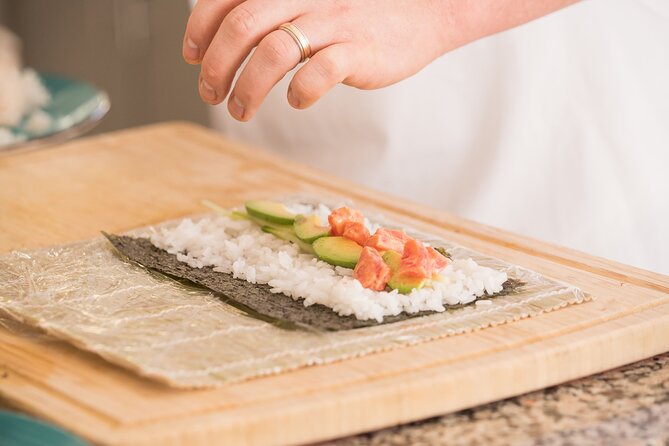
You are taught how to prepare seasoned sushi rice. That might sound basic, but it is the backbone. Getting the rice seasoned properly is what balances the rest of the fillings, whether you are building a delicate maki roll or packing a hand roll that holds together as you eat.
You also get lessons on knife techniques. You are not learning a calligraphy-style showpiece cut. You are learning practical control so the fish and fillings are sized right and the roll stays neat. If you have ever tried to replicate sushi at home and found your rice goes mushy or your fillings slide around, this kind of guidance is usually the difference between a messy attempt and something you would actually serve to friends.
Then you create both maki and hand rolls. That matters because the two styles feel different in your hands and require different approaches. Maki focuses on rolling pressure and even layering. Hand rolls focus on shaping and getting a cone-like form that still eats cleanly.
In one excellent review, the instructor Chef Made Master was specifically praised for energy and for teaching lasting skills you can take home. That is the goal you should look for in any cooking class: not just a one-time meal, but repeatable technique.
Course 1: Tuna sesame salad, then you start building your palate
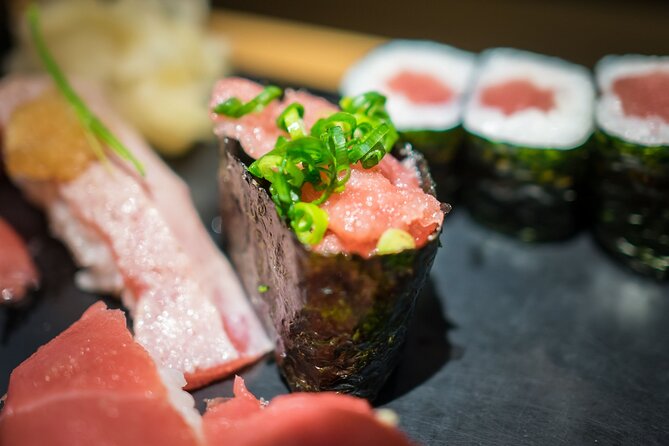
The first course is tuna sesame salad made with fresh tuna, sesame, and a light dressing. This starter is smart for a class setting. It wakes up your palate without being heavy. It also sets expectations for texture and seasoning before you move into rice-based dishes.
Practically, a tuna salad stage also helps you learn how ingredients should behave together. Fresh tuna needs respect. Sesame and a light dressing should enhance, not overwhelm. So when you later handle fillings and seasonings in the rolls, you have a baseline for balance.
For your group, this starter also creates a rhythm. You start eating early while you are still in learning mode. That keeps energy up, and it makes the whole experience feel like dinner, not a workshop you complete and then remember to eat.
- DC Memorials Night Tour: Glass-Roof Convertible Upgrade Option★ 4.5 · 6,933 reviews
- National Mall Monuments Night Tour with 10+ Stops, Entry Tickets★ 4.5 · 4,863 reviews
- Washington DC Monuments by Moonlight Tour by Trolley★ 4.5 · 3,956 reviews
- Hop-on Hop-off Sightseeing Tour by Open-top Bus with 18 Stops★ 3.5 · 3,848 reviews
- Washington DC in One Day: Guided Sightseeing Tour★ 4.5 · 3,360 reviews
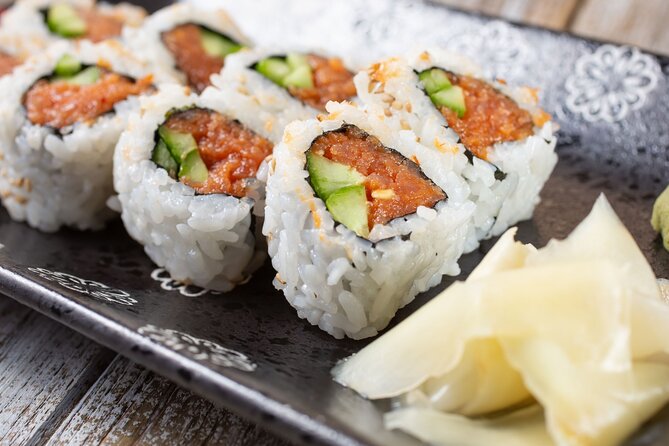
Course 2: Assorted maki rolls, including spicy tuna and avocado cream cheese
Next come the assorted maki rolls. You will make a set that includes spicy tuna and avocado cream cheese rolls, plus more maki-style variations tied into the menu.
Spicy tuna gives you a classic challenge. The filling has to be flavorful without turning watery. If it is too wet, your roll can get messy. If it is not seasoned enough, the roll tastes flat against the rice.
The avocado cream cheese roll is a different angle. This one teaches you that sushi is not only about raw fish. It is also about creamy balance. Cream cheese changes how you think about mouthfeel, and avocado adds that fresh, soft richness. When you roll these well, you get a smoother bite than you might expect from the typical tuna-and-rice combo.
Why this course is valuable: maki rolls are the foundation you can repeat later. Once you learn how to layer fillings and manage the roll boundary, you are much more confident experimenting at home.
Course 3: Special rolls, from caterpillar to spicy double tuna
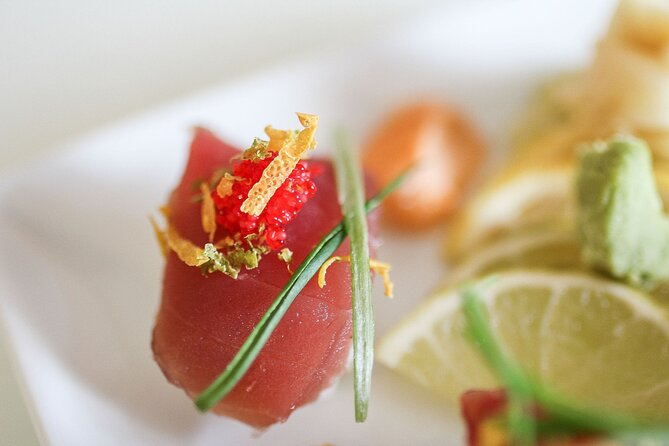
The third course is where the menu gets playful. You make special rolls, including the caterpillar roll and the spicy double tuna roll, along with other named specials on the course list such as the spicy California roll.
The spicy California roll is listed as a twist on a classic, with a hint of heat. This is a good lesson in how to adjust spice while keeping flavors recognizable. For beginners, it can be easier to learn if you have a familiar base flavor profile. The small heat adjustment then becomes a controllable variable.
The spicy double tuna roll is for tuna lovers who want stronger impact. Because it combines spicy elements and tuna in a bigger way, it tests whether your seasoning and texture control are working. Your job is to keep it flavorful but not sloppy.
Then there is the caterpillar roll, described as visually stunning with layered avocado slices and fresh flavors. Visual technique matters here. This roll helps you practice presentation even while you are still focused on structure. If you care about making food that looks good on the plate, this is the course that gives you that satisfaction.
Course 4: Hand rolls, tuna, eel, and California favorites
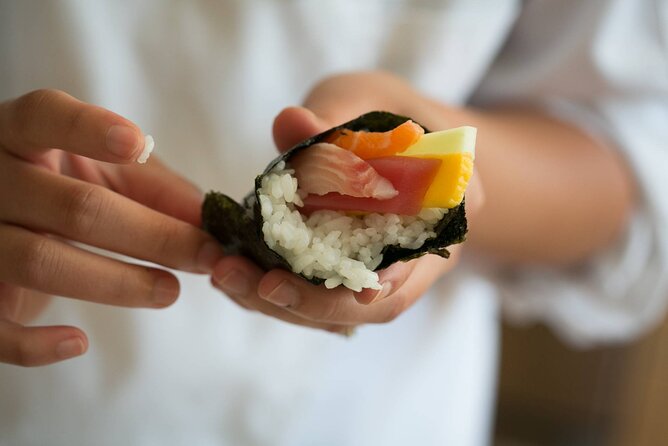
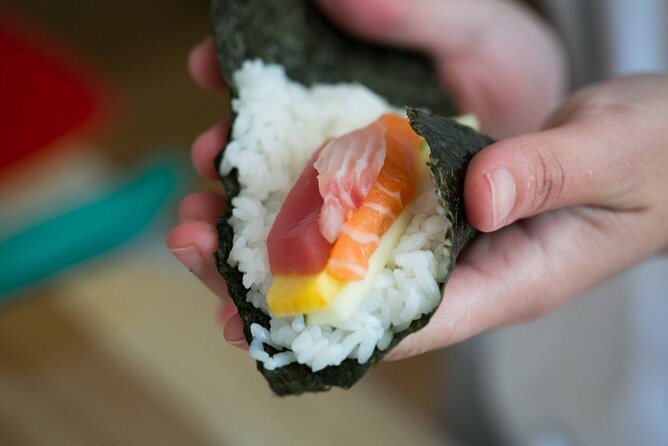
The final course shifts from maki to hand rolls, and the menu is built for variety: tuna hand roll, eel hand roll, and California hand roll.
Hand rolls are a great way to understand sushi in a different format. Instead of cutting and sharing, you eat as a handheld cone. That forces good structure. If the rice and nori are not managed right, the whole thing can fall apart mid-bite.
The tuna hand roll is a clean, straightforward option that lets you taste the tuna and rice relationship. It also sets up a nice contrast with the sweeter, richer flavors later.
The eel hand roll is described as savory with tender eel and perfectly seasoned rice. Eel can be thicker and more assertive than fish alone, so you learn how a richer filling changes how you balance the rice portion.
The California hand roll is the classic: creamy avocado and fresh crab. It is a good finale because it feels approachable and familiar, while still teaching you how to roll a handheld shape with fillings that are not just one texture.
When all four courses come together, you end up with more than a meal. You end up with a practical map of sushi types, what changes between them, and how technique affects the bite.
Price and value: why $125 can make sense for a 4-course class
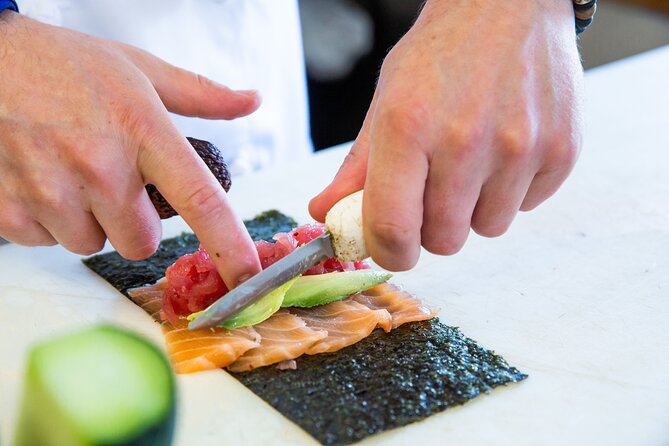
The price is $125 per person for a session of about 3 hours, and you also get the full 4-course menu you helped prepare. For me, the value comes from three places.
First, you are paying for instruction, not just food. You are learning core skills like seasoned rice and knife technique, then applying them repeatedly across multiple courses.
Second, you are getting variety. A lot of classes are either one roll or a tasting with minimal hands-on work. Here, you actively make salad, multiple maki rolls, special rolls, and hand rolls. That means you get real practice rather than a quick demo that ends before your questions are even answered.
Third, the BYOB angle adds flexibility. Since wine and beer are allowed, you can turn the class into a meal experience you would otherwise pay for. Even if you only bring one drink, it can offset the feeling of paying restaurant-level costs while still getting the benefit of cooking lessons.
A balanced view: you should consider the location in Centreville, VA as part of your cost equation, meaning time and transportation. If you are already planning to be in that area, great. If you would normally stay in downtown DC, you will want to factor in the trip.
Who should book: beginners, couples, and sushi home-rebuilders
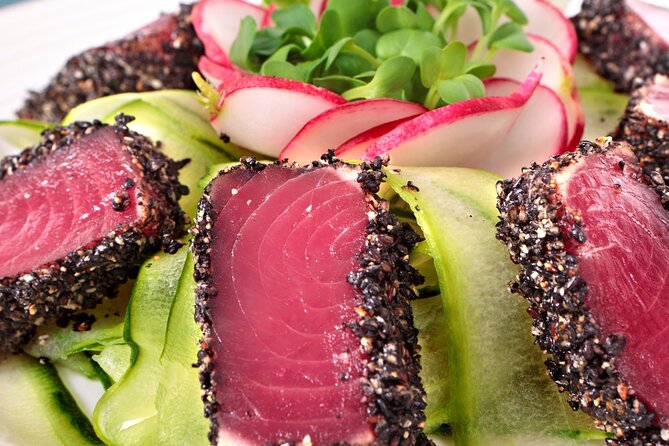
This class is a good fit if you want skills you can use again. In plain terms, it helps most if you are the kind of person who likes learning by doing, then recreating.
It is also a nice choice for a couple or small group. The class size is kept small, so you get attention, not just a shared bench with strangers. In the standout review, a husband and wife both enjoyed it and left with skills they were excited to bring home. That matches the overall design: learn, make, eat, and walk away feeling confident.
If you are a sushi beginner, the course structure is a friendly ramp. You start with a tuna sesame salad, then move into maki where technique is learnable, then special rolls where you focus on structure and presentation, then hand rolls which test how well you can shape and hold sushi without cutting.
If you have dietary requirements, the class notes they will do their best to tailor the experience. That means it is worth contacting the team before you go, especially if you avoid specific ingredients.
If you are already an advanced sushi maker, you might find it less intense than a professional-level training program. But as a fun, structured refresher for rice and roll basics, it can still be worthwhile.
Small details that can make your experience smoother
A few practical tips based on how these classes usually run, and what is clearly part of this one:
- Plan to show up with a relaxed mindset. You are making several items, not just one.
- If you are bringing alcohol, treat it like a dinner out, not a celebration with heavy drinking. You will still be handling ingredients and using tools.
- Bring your appetite. The menu is listed as full 4-course meal, and you will likely want to eat what you make.
- If you have dietary needs, send the details when you book, so they have time to tailor the menu.
Also, the class is listed for English. If you are comfortable in English, you will likely find it easy to follow along and ask questions when you need help.
Should you book this sushi masterclass near Washington DC?
I think you should book it if you want sushi skills you can actually repeat. The combination of small group size, instruction on seasoned sushi rice and knife technique, and a full 4-course menu you create is the sweet spot for value. The fact that Chef Made Master was praised for energetic, lasting teaching is the kind of feedback that matters, because it points to a real learning environment, not a scripted show.
I would not make this your top pick if you only care about eating sushi and you hate the idea of cooking. This is about learning and rolling, not simply ordering. And if the Centreville, VA meeting point is inconvenient for you, you might feel like the commute eats into the fun.
If you want a memorable dinner with real skills and a chance to sit down and enjoy what you made, this is an easy yes.
FAQ
How long is the sushi masterclass?
The class lasts about 3 hours.
What is included in the ticket?
It includes a full 4-course menu: tuna sesame salad, assorted maki rolls, special rolls, and hand rolls.
Is this a BYOB event?
Yes. Guests can bring wine and beer.
Where does the class meet?
The start point is 14327 Watery Mountain Ct, Centreville, VA 20120, USA.
How large is the group?
The experience is kept small, with a maximum of 6 travelers listed, and the workshop is described as limited to 8 guests.
Can the class accommodate dietary needs?
Yes. The experience says it is designed to accommodate a variety of dietary needs, and you should let them know in advance.
More Tour Reviews in Washington DC





More to book around Washington DC
- The Public Group Scooter Tour of DC’s National Mall
★ 5.0 · 3 reviews - National Mall Highlights with Cherry Blossom & Arlington Cemetery
★ 3.5 · 3 reviews - Private Washington DC Monuments Day or Night Bike Tour
★ 5.0 · 3 reviews - Private Tour with US Capitol Or Archives Or Washington Monument
★ 3.5 · 3 reviews - Washington DC Private Guided Bus Day Tour with Step Off Guide
★ 5.0 · 3 reviews - 3-Hour Small Group Memorial Tour in Washington, D.C.
★ 4.0 · 3 reviews