
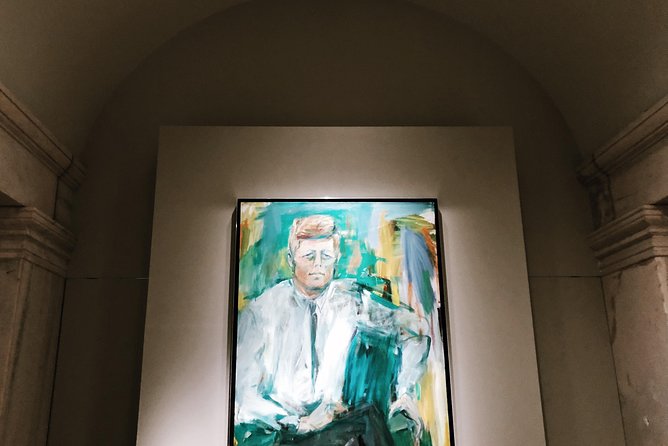
REVIEW · SMITHSONIAN & WASHINGTON MUSEUM TOURS
National Portrait Gallery and American Art Museum Tour: 8ppl Max
Two museums, one story of America. This small group tour links the National Portrait Gallery with the American Art Museum in about 2.5 hours, guided in English so you get context, not just captions.
I love how the guide turns art labels into real meaning, and I love how Walt Whitman’s Civil War era hospital story connects everything from portraits of power to later American art. One thing to consider: museum security means you’ll want light packing, since only handbags or small thin bag packs are allowed.
Key things I’d plan around
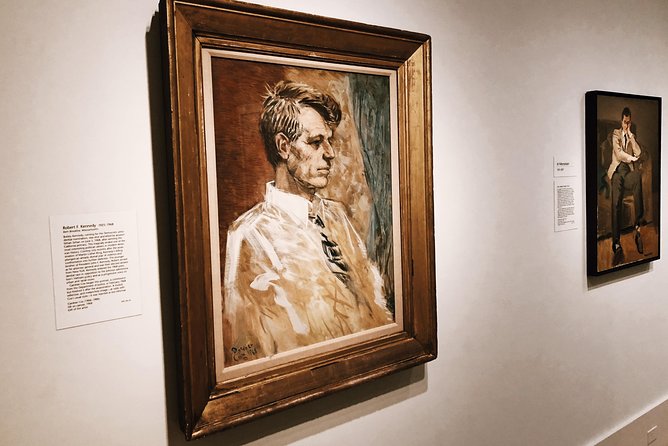
- Max eight people keeps the tour personal and question-friendly
- Free museum admission means your money mostly pays for the guide and time
- Walt Whitman’s hospital-to-portraits link gives you a strong theme to follow
- Big artist names with explanation from Mary Cassatt to Edward Hopper and David Hockney
- Quiet-room speaking rules mean you should expect low voice, not chatter
- Occasional closure plan offers an alternative if a museum opens more than 1 hour late
Still museum weather? More Smithsonian runs
Why this Washington DC double museum tour is a smart use of 2.5 hours
Washington, DC can feel like a blur of lines, dates, and labels. This tour helps you avoid that problem by tightening the focus into two nearby museums that tell the American story from two angles: faces and images, then paintings, photography, and modern expression.
You start at the National Portrait Gallery, where the building itself has a layered past. Then you move into the American Art Museum for a sweep across styles and decades, with the guide helping you connect what you see to bigger cultural shifts. If you like art but also want the bigger why, this is built for you.
The small group format matters. Up to eight people means you’re not stuck listening from the back while everyone else chats with their headphones on. You can ask a question when something clicks, or when you’re confused and want a direct answer.
National Portrait Gallery: portraits in a building with a Civil War past
The National Portrait Gallery section is more than a quick run through famous faces. You begin in a place that used to function as a Civil War era hospital. That detail changes how you look at what comes next, because the space is already tied to people, suffering, and the push to remember.
One of the tour’s standout threads is Walt Whitman. He treated wounded soldiers here, and today a portrait related to that history hangs in the National Portrait Gallery. The guide uses that anchor to help you notice how portraits work as documents, not just decorations.
As you move through, you’ll see portrait stories that cover:
- Great women and men who shaped the United States
- Presidential portraits and those of first ladies, tracing a lineage of leadership
- Civil War era figures like Grant and Sherman, placed against a more turbulent national moment
- A mix of paintings and photographs, plus 19th century daguerreotypes
This is where you’ll feel the value of an expert guide. Without context, some portrait choices look random, like the museum is just showing off who is famous. With the tour, you start asking better questions: Who is being remembered, how, and why this time?
What to look for while you’re listening
Even if you’re not a lifelong art fan, you can make this part satisfying. When the guide points out a detail, follow it with your eyes for a few seconds. Look at posture, clothing, and setting. Then connect it to the era being discussed. Portraits often tell you two stories at once: the sitter’s identity and the era’s idea of identity.
Other collections worth a reserved slot
- Guided African American History Tour with Reserved Museum Entry★ 4.5 · 1,180 reviews
- Smithsonian Museum of Natural History – Exclusive Guided Tour★ 5.0 · 446 reviews
- African American History Tour with Museum of African American History Ticket★ 4.5 · 390 reviews
- National Mall Tour with 10 Stops & U.S. Capitol or Museum Entry★ 4.5 · 331 reviews
- Washington, DC: African American History Tour & Museum Entry★ 4.9 · 312 reviews
From daguerreotypes to modern questions: how the Portrait Gallery tells America’s self image
The Portrait Gallery collection is doing something clever: it’s compressing a lot of American history into visual cues. That includes names you might expect and groups that reveal the country changing, even when it was painful or uneven.
The tour highlights the way portrait types evolved. Early photographic processes like daguerreotypes bring you face to face with the limits of the technology and the seriousness of early portrait making. Later paintings and photos show more narrative freedom, and they often reflect who had the power to commission a portrait in the first place.
You’ll also hear about major social movements and characters tied to the national storyline, including references to the Robber Barons and the Suffragettes. The point is not just who they were. The point is how public image, wealth, and reform show up in what ends up on museum walls.
If you’re the type who loves learning one or two strong themes and then spotting them everywhere, you’ll do well here. Your brain gets a framework early, then you reuse it throughout the rooms.
American Art Museum: the jump from portraits to paintings and photography
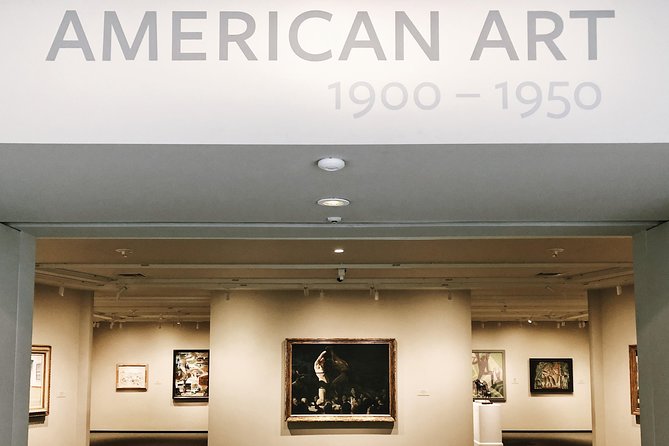
After the Portrait Gallery, the tour shifts gears into the American Art Museum section. This part is less about one theme and more about how America’s visual language kept changing.
You’ll see the work of major figures across movements and eras, with the guide helping you understand why these artists mattered when they did.
Here are the artists and strands the tour specifically points you toward:
- Mary Cassatt, connected to Impressionism
- Georgia O’Keeffe, known for provocative flower imagery
- Photographs commissioned by the government during the Great Depression
- A curious portrait of former President Obama
- Edward Hopper, often linked to modern American atmosphere and solitude
- David Hockney, including work that pushes toward modern visual play and perception
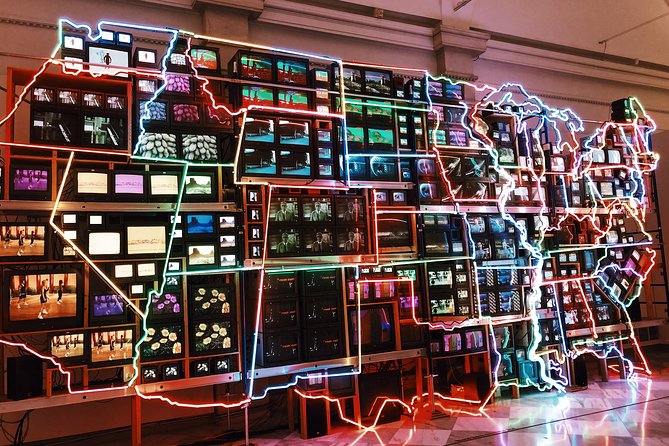
- More experimental and contemporary works that need a guide’s help to decode
This part can be great even if contemporary art isn’t your thing. The guide sets expectations before you enter rooms that require interpretation. You’re not asked to pretend you get everything immediately. Instead, you’re given entry points, then you decide whether the work speaks to you.
A practical tip: let the guide teach you how to look
When you hear the word contemporary, your mind might try to judge the work right away. Instead, stay with the guide’s explanation for a few minutes, then make your own call. This tour is especially valuable because the guide helps you connect an image to its era and its intent, not just its surface.
The guide experience: why context beats captions
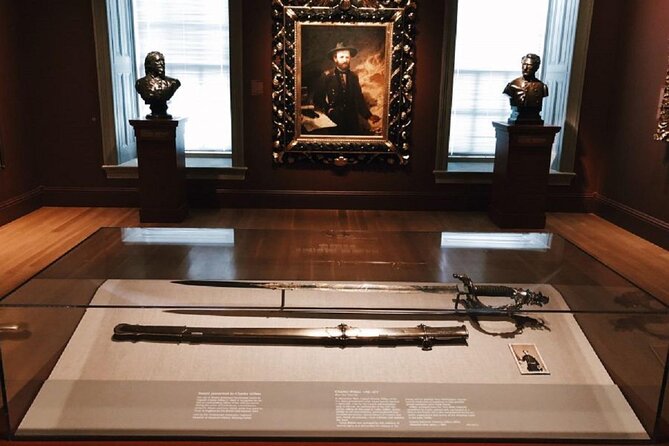
This is the kind of tour where the guide’s job is not to recite dates. It’s to translate visual choices into meaning, so you don’t walk out thinking you saw a lot of art but learned little.
The strongest feedback you can use for planning is how consistently people praise the guide’s ability to explain and add insight beyond what you’d get from annotations alone. One review specifically praised a guide named Meghan for getting the group through highlights with plenty of time to discuss art in context, and for offering insight into women artists.
Even if your guide is different, the structure is the same: you get time to ask questions, and you get the kind of interpretation that helps you connect names like Cassatt, O’Keeffe, Hopper, and Hockney to what they were trying to do.
Small groups also help with pacing. You can slow down when something catches your attention, and you can speed up when you’re ready to move on. That balance is hard to get on a big bus-style tour.
Timing and location: meeting at 8th St NW and why the 1:30 pm start matters
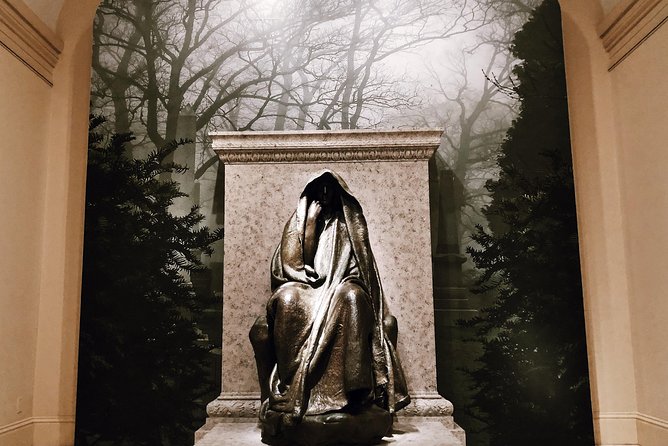
The meeting point is at the National Portrait Gallery area, 8th St NW and G St NW, Washington, DC 20001. The start time is 1:30 pm, and the tour runs about 2.5 hours, ending back near the same meeting point.
Why that matters: the afternoon start can be a good choice if you’re spending your morning doing monuments, neighborhoods, or a museum crawl of your own. It also means you can plan a simple lunch earlier without feeling rushed.
Also, this tour books ahead on average about 71 days in advance. If you’re traveling during peak season or you want a specific day, booking earlier gives you better odds of getting in.
In terms of physical demands, the tour asks for moderate fitness. That’s usually about walking and standing in galleries for periods of time, not hiking. If you can handle a typical museum visit, you should be fine.
Security rules and museum etiquette, so you don’t lose time at the door
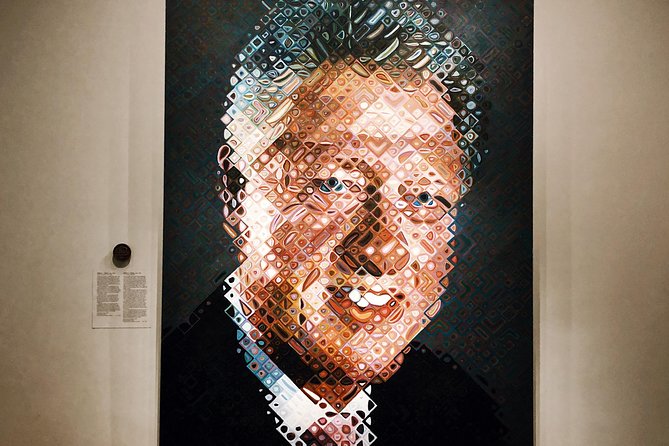
DC museums take security seriously, and this tour is no exception. The big practical point is the bag rule. No large bags or suitcases are allowed inside. You can bring a handbag or a small thin bag pack that can go through security.
If you show up with a bulky daypack, you can waste part of the tour time dealing with it. I’d rather you arrive with a small bag, water in hand if allowed, and your museum mindset ready.
Dress also matters. The tour notes that appropriate dress is required for entry into some sites. That likely means avoid very casual or overly revealing outfits, since policies can vary inside large museum buildings.
You should also expect that some rooms may have rules about speaking. Some parts of the museums can be very quiet or have restricted right to speak. The guide will brief you on those areas before entering, so you’ll know what to do. That keeps the tour respectful, and it also reduces stress for everyone.
Finally, lines can happen. Even when some access options exist at certain attractions, increased security measures can still create waits. Build a little patience into your plan, especially on busier days.
Value check: is $89.67 worth it when museum admission is free?
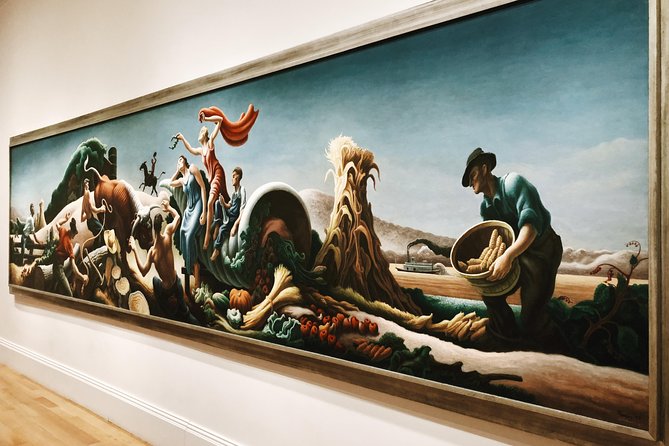
This is where the math is unusually favorable. The tour price is $89.67 per person for about 2.5 hours, but the museum admission is listed as free. That means your payment is largely paying for the guide, the small group format, and the time saved by having a plan you can trust.
If you’re a self-guided museum visitor, you could technically wander on your own and read captions. But captions are like appetizers. A good guide is the main meal, because they connect dots that you might never connect yourself, especially with portrait history and the way photography and painting reflect political and social change.
You also get a professional guide and a hard cap of eight people, which can dramatically improve the experience compared to larger group tours. For many people, that alone is worth paying for, because it turns the visit into a conversation instead of a lecture you can’t hear.
One more value note: the tour includes a small group setup and is offered in English, so you avoid the hassle of coordinating translations or hunting down extra help inside the museum.
Who should book this tour, and who should consider another option
I’d point you to this tour if you:
- Like art history when it’s explained in plain language
- Want both the National Portrait Gallery and American Art Museum, but don’t want to plan a full day
- Enjoy cross-era connections, like how Civil War remembrance can connect to modern portrait and art choices
- Appreciate a small group size where you can ask questions
You might want to skip or swap this tour if you:
- Want to spend your visit purely wandering without any structure
- Are traveling with a large suitcase or need to keep gear inside the museum
- Dislike quiet-room rules and would rather talk loudly throughout
Also, if you’re strongly anti contemporary art, know that the tour includes experimental and contemporary rooms. The guide is there to explain, but your reaction to modern work is still personal.
Should you book it?
My take: book it if you want a guided, high-context visit that links the building’s Civil War past to portraits of power and then carries that story forward into major American art names. The small group limit, expert guidance, and free museum admission combination make the price feel earned, not padded.
The main reason not to book is simple. If you hate museum security rules, don’t want to travel light, or you prefer total independence, this structure might feel like it adds limits instead of removing them.
If you’re in the middle, on the fence, try this approach: imagine walking through portraits and then walking into modern art with no explanations. If you’d feel a little lost, this tour is exactly where you’ll feel steadier and more satisfied.
FAQ
What is the meeting point for this tour?
The meeting point is National Portrait Gallery, at 8th St NW and G St NW, Washington, DC 20001, USA.
What time does the tour start and how long is it?
The start time is 1:30 pm, and the duration is approximately 2 hours 30 minutes.
How many people are in the group?
This is a small group tour with a maximum of eight people.
Is the tour guided and what language is it in?
Yes, it includes a professional tour guide, and it is offered in English.
Do I need to bring a mobile phone number?
Yes. You are required to provide a mobile phone number, including the country code.
Are there bag or dress restrictions?
Yes. No large bags or suitcases are allowed inside the museum. Only handbags or small thin bag packs can go through security. Appropriate dress is required for entry into some sites.
What if a museum is closed when the tour starts?
The tour may face occasional closures without prior warning. If the museum opening time is delayed more than 1 hour from the tour starting time, the operator provides an appropriate alternative, but refunds or discounts are not provided.
Can I cancel for a full refund?
Yes. Free cancellation is available if you cancel at least 24 hours before the experience starts.
More Tour Reviews in Washington DC




More Smithsonian Mornings



More to book around Washington DC
- The Public Group Scooter Tour of DC’s National Mall
★ 5.0 · 3 reviews - National Mall Highlights with Cherry Blossom & Arlington Cemetery
★ 3.5 · 3 reviews - Private Washington DC Monuments Day or Night Bike Tour
★ 5.0 · 3 reviews - Private Tour with US Capitol Or Archives Or Washington Monument
★ 3.5 · 3 reviews - Washington DC Private Guided Bus Day Tour with Step Off Guide
★ 5.0 · 3 reviews - 3-Hour Small Group Memorial Tour in Washington, D.C.
★ 4.0 · 3 reviews
Smithsonian & Washington Museum Tours, compared.
 ★ 5.0Smithsonian Museum of Natural History – Exclusive Guided TourFrom $89446 reviews
 ★ 5.0Smithsonian Museums Walking Tour with Reserved Air & Space EntryFrom $79297 reviews
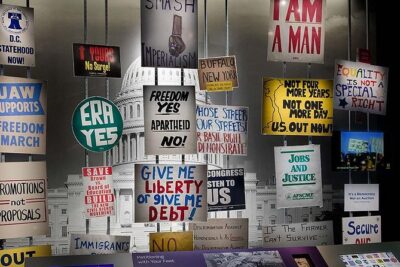 ★ 5.0Smithsonian Museum of American History Exclusive Guided TourFrom $89245 reviews
 ★ 4.5Museum of the Bible Admission Ticket233 reviews
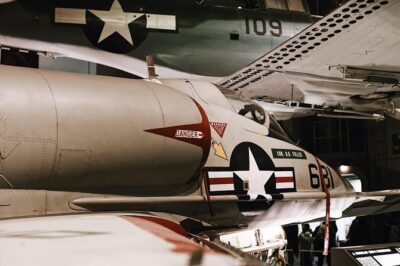 ★ 5.0The Smithsonian National Air & Space Museum Exclusive Guided TourFrom $89214 reviews
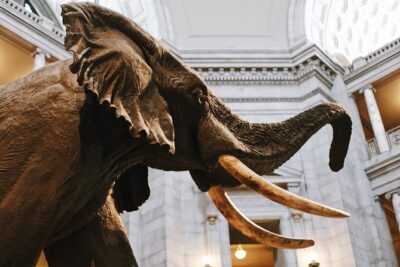 ★ 5.0Smithsonian Museum of Natural History Small Group Tour: 8ppl MaxFrom $89177 reviews
 ★ 5.0The National Gallery of Art DC – Exclusive Guided Museum TourFrom $89166 reviews
 ★ 4.1Smithsonian National Museum of Natural History Guided TourFrom $75159 reviews
Browse the lists this tour appears in