
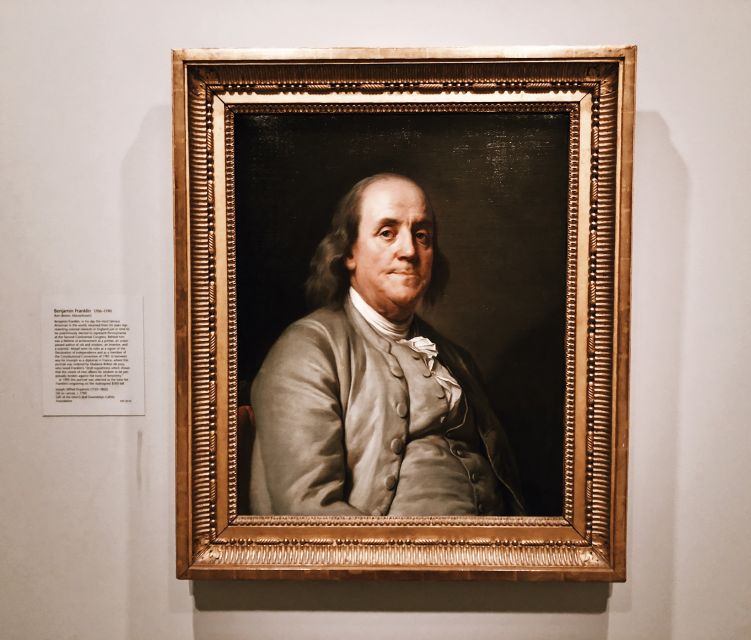
REVIEW · SMITHSONIAN & WASHINGTON MUSEUM TOURS
National Portrait Gallery & American Art Museum Guided Tour
Two galleries, one story, and a sharp art guide. This tour brings you to the Presidential Portrait collection and the Greensboro Lunch Counter without feeling like homework. I like that it moves through American art in a way that makes names and symbols snap into place. One drawback to plan for is moderate walking plus tight security rules that limit what you can carry.
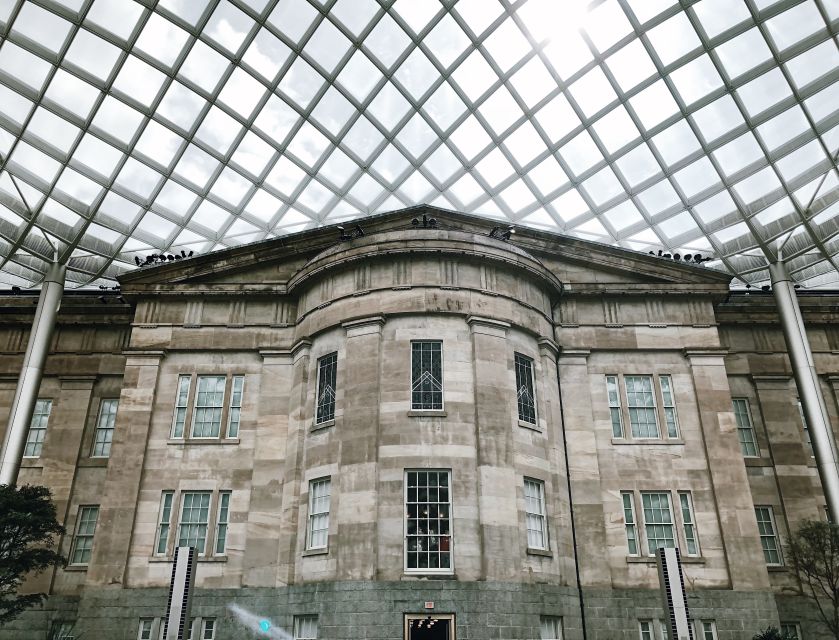
The setting does half the work. The tour is based in the historic Old Patent Office Building, which has worn many hats, from a Civil War era hospital where Walt Whitman helped injured soldiers to the museum space it is today.
In about 2.5 hours, you get portraits, photographs, and big-name paintings, from 19th-century daguerreotypes to WPA-era images to modern works that can leave you scratching your head. Then the guide puts it back into focus.
Key highlights you should care about
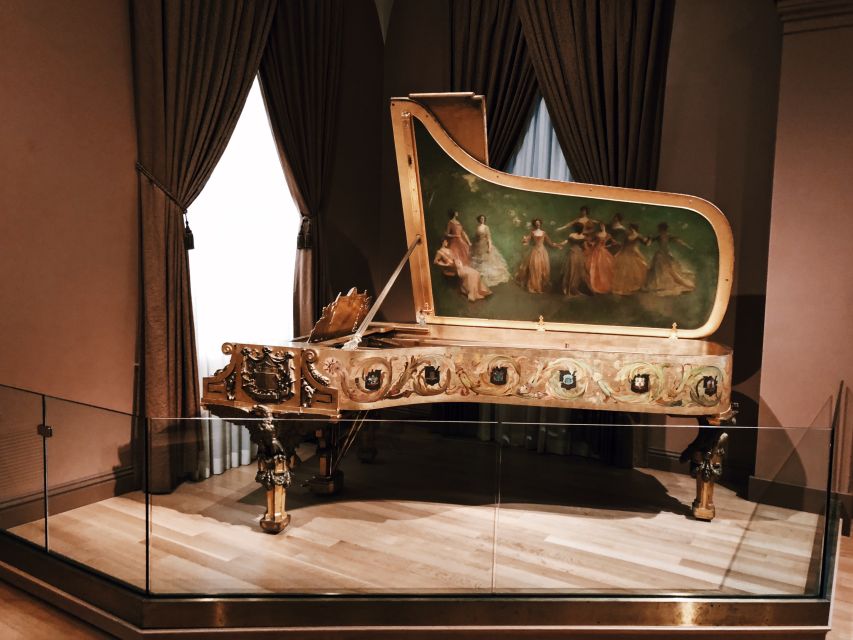
- Two top museums in one sweep inside the Old Patent Office Building
- Presidents and first ladies on the portrait circuit plus Civil War leaders like Grant and Sherman
- American art timeline that actually connects the dots from daguerreotypes to suffragettes
- Greensboro Lunch Counter stop tied to the Civil Rights Movement
- Major artists with context including Mary Cassatt, Edward Hopper, David Hockney, Georgia O’Keeffe, and a former president Obama portrait
- Guides who explain the mystery (names like Leigh and Bess come up for clear, articulate leadership)
Still museum weather? More Smithsonian runs
Stepping into the Old Patent Office Building, with Walt Whitman in the background
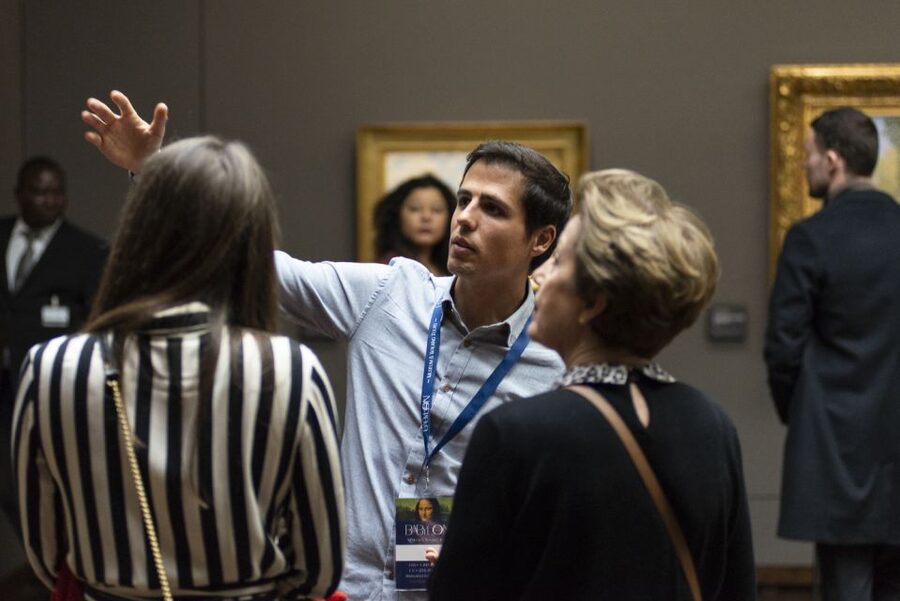
If you like DC museums but hate getting lost in them, this place helps. The tour takes place in the Old Patent Office Building, a historic structure that already carries stories before you even see a single frame.
Long before it was a museum home, it functioned as a Civil War era hospital. Walt Whitman is tied to that time, known for helping injured soldiers. Today, his portrait is part of the collection you will see alongside thousands of others in the National Portrait Gallery.
Even the building’s history is a reminder that museums are not just storage rooms. It has hosted art exhibits since 1829, then shifted into a dedicated museum setting. That matters because the tour’s structure is built to feel like you are watching American identity form over time, not just checking boxes.
Also, because you are moving through two major galleries, the building becomes a “bridge” between themes. Portraits and political change live on one side of the story, then you shift into broader American art styles and moods on the other.
The National Portrait Gallery: presidents, photographs, and social movements
This is the part where the tour gives you a roadmap fast. You start with the National Portrait Gallery, which focuses on portraits of the women and men who helped build the United States. That includes presidents and first ladies, plus notable Civil War figures such as Grant and Sherman.
The guide’s job here is not just to point. It is to help you read the portraits like clues. When you see famous faces arranged in sequence, you start noticing patterns: what a period chose to honor, what it chose to remember, and how images were used to project authority.
What you will actually see (and why it matters)
You can expect several “anchor” categories to be part of the highlights route:
- The Presidential Portrait collection, where presidents become more than names in a textbook
- First ladies and other prominent figures, which helps broaden the story beyond the obvious headline names
- Civil War era leaders like Grant and Sherman, so you feel the conflict that shaped the country’s next steps
Then the tour shifts into early visual technology. You will encounter 19th-century daguerreotypes and early photographs. That is a big deal because it gives you a sense of how Americans recorded faces before cameras were everywhere.
If you have ever wondered why old photographs look so formal, the tour is built to help you understand the “why” behind the look, not just the look itself. The guide uses these objects to show how portraiture changed as tools, access, and cultural expectations evolved.
Other days out with someone who knows
- Washington DC in One Day: Guided Sightseeing Tour★ 4.5 · 3,360 reviews
- Washington DC “See the City” Guided Sightseeing Segway Tour★ 5.0 · 1,924 reviews
- See DC In A Day: Guided Small Group Ultimate Day Tour★ 5.0 · 1,257 reviews
- Guided African American History Tour with Reserved Museum Entry★ 4.5 · 1,180 reviews
- Washington DC Sites at Night Guided Bicycle Tour★ 4.5 · 536 reviews
The early 20th-century pivot: Robber Barons and Suffragettes
One of the smartest moves in the National Portrait Gallery highlights is the jump to the early 20th century, with Robber Barons and Suffragettes as part of the story. That pairing works because it forces a contrast.
You are looking at power, money, and influence on one side, then activism and rights on the other. Even in a short highlights tour, that tension is easier to grasp when someone links it for you in real time.
A personal touch that helps you keep up
This is a 2 to 2.5 hour experience, so you will not sit through long lectures. You will, however, get a paced conversation from a professional art historian guide who can explain the mystery behind some iconic works.
That matters because portrait galleries can turn into label-reading marathons. Here, the guide helps you slow down at the right moments so the story sticks.
Greensboro Lunch Counter: a Civil Rights moment you do not rush past
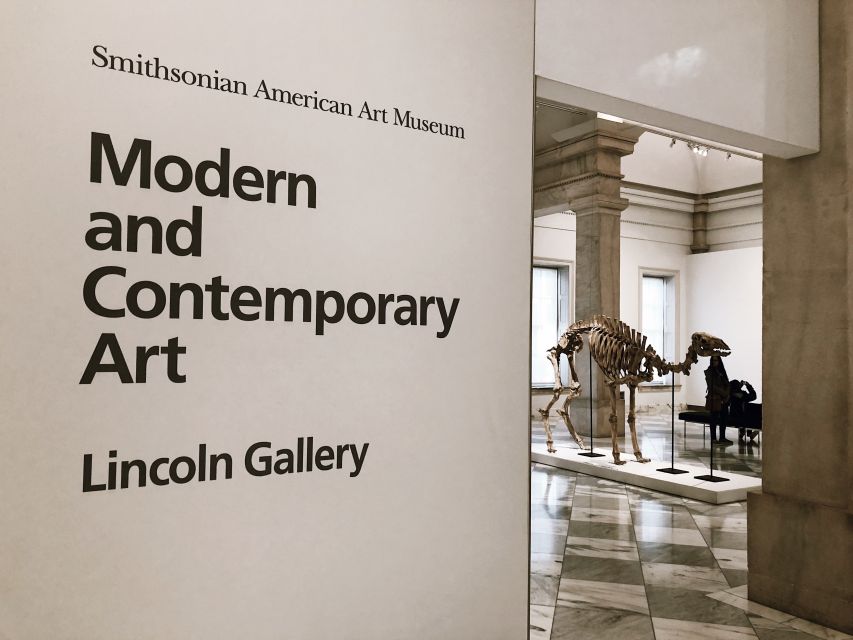
One of the most memorable stops on the itinerary is the Greensboro Lunch Counter. This is the kind of object that can feel heavy even when you only spend a short time with it.
The tour frames it as a touch point of the Civil Rights Movement. That gives the lunch counter a bigger purpose than a display item. You are not just looking at a replica or a historical detail. You are stepping into a moment tied to protest, courage, and public pressure.
In a highlights format, it would be easy to gloss over something like this. What I like about this tour design is that it treats the moment as a genuine chapter in the broader American story, placed right where a portrait-focused museum can connect to cultural and political change.
If you care about how art and public memory intersect, this stop is worth showing up for.
The American Art Museum section: Cassatt, Hopper, Hockney, O’Keeffe, and surprise portraits
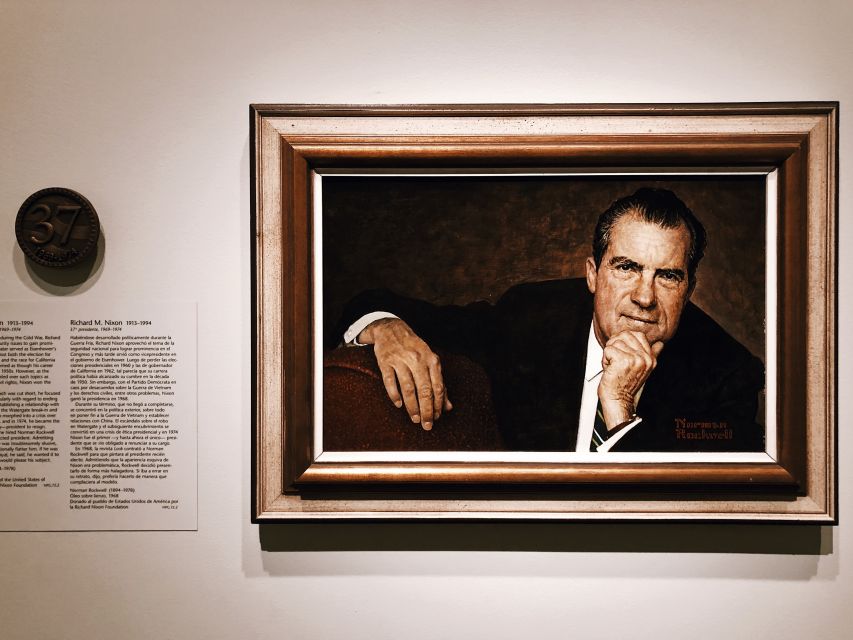
After the National Portrait Gallery, you continue into the American Art Museum. This is where the tour broadens beyond faces and reputation into style, mood, and how artists tackled modern life.
You will see major names, including Mary Cassatt, a beloved Impressionist, plus Edward Hopper and David Hockney. Expect iconic paintings that are famous enough you recognize the artists, but the guide helps you notice what your eye might miss without context.
Why this section feels useful, not random
A general museum visit can make modern and contemporary art feel disconnected. This tour tries to prevent that by building momentum.
You move from portrait and photographic evidence of identity, then into paintings and images that express American life in different ways. The guide ties the dots so the artwork feels like part of a single conversation.
Georgia O’Keeffe’s flowers and the art that sparks arguments
The tour includes Georgia O’Keeffe’s flowers, described as provocative. That is a great choice for a guided highlights route because it tends to trigger instant reactions.
When you are unsure what to think, that is usually the point where a good guide earns their keep. O’Keeffe’s work can be read many ways, and the guide’s role is to help you see how artists communicate with shape, color, and scale.
And yes, you will see the former president Obama portrait
The tour also includes an “odd” portrait of former president Obama. Even if you already know the face, a portrait like this can feel out of step with expectations.
That can be a good thing. The American Art Museum portion includes modern works that may leave you scratching your head, and the guide is there to bring it into focus. The goal is not to tell you what to think. It is to help you understand what the artwork is doing.
WPA-era photographs and the Great Depression era
You will also see WPA-era photographs tied to the Great Depression era, presented as images that helped define the nation. This gives the museum visit a social and historical backbone.
Photos and prints from that time often feel like documentary evidence, but the guide helps you treat them as crafted work with meaning. It is a strong shift from painting styles into a more direct visual record.
Then the tour continues into more modern pieces, where the goal is clarity. When you start questioning what you are seeing, this is exactly where the tour’s guided structure pays off.
The guides make or break it, and this one gets praised for clarity
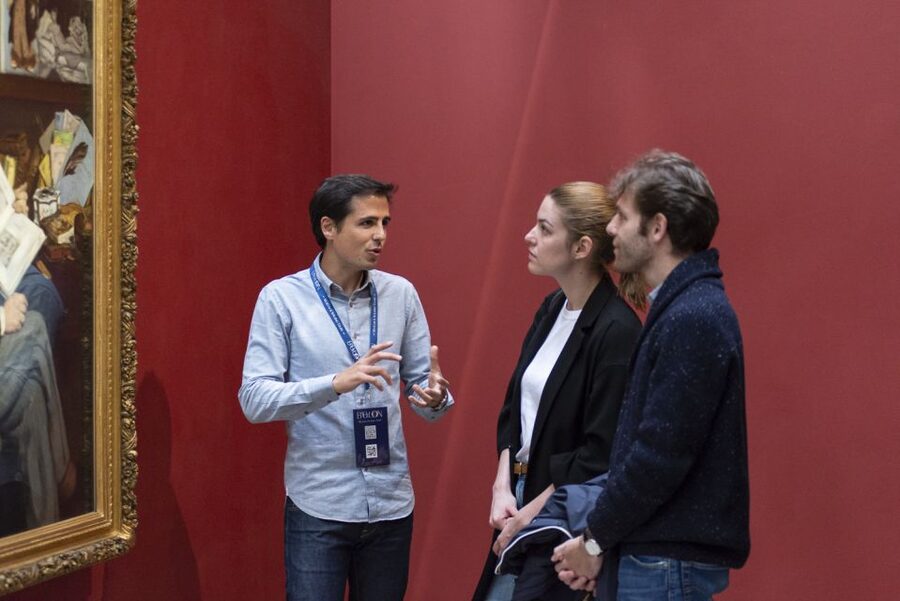
The experience runs with a live tour guide and is led by a professional art historian. That is a big deal in DC, where some museums offer audio guides that are fine for basics but do not help when you are confused.
The praise that stands out is how guides like Leigh and Bess lead with clear explanations and stay engaging from start to finish. That matters because a highlights tour can feel rushed if the guide cannot slow you down and still keep moving.
What you can expect in the flow
This tour is built as a small-group experience, with private or small groups available. Semi-private tours require a minimum number of participants, so if the minimum is not met you can expect an alternative date or a full refund.
Because the group is not huge, you are more likely to get personal pacing. You can ask questions in the moment, as long as you follow the museum’s rules.
Quiet rules inside the museum
Some rooms may have restrictions on speaking, or they may require quiet. Your guide will warn you before entering the rooms where that applies.
This is not a problem, but it is good to know. Plan for a quieter vibe inside certain areas, like galleries that expect a more thoughtful viewing pace.
Moderate walking, in a compact time window
This is not a sit-down lecture. You will do a moderate amount of walking, moving between parts of the building.
In practice, that means comfortable shoes matter more than anything you bring in your bag.
Price and time: is $86 good value for two museums?
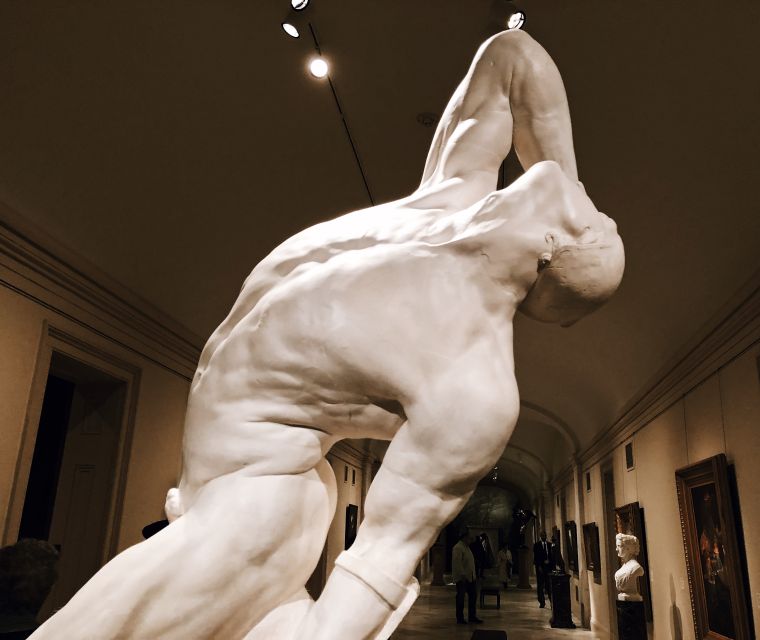
At $86 per person, this tour is not a bargain-basement deal. But you are paying for two museums plus a live art historian guide in a tight 2 to 2.5 hour window.
Here is how I see the value:
- You are covering two major collections in one structured visit
- You get a guide who helps you interpret what you see, including works that might otherwise feel confusing
- The highlights route means you spend less time deciding what to skip
What is not included also helps frame the price. Temporary exhibits are not included, so if a special show is the reason you booked, you might need a separate plan. Hotel pickup and drop-off are not included, and there is no luggage or coat storage through the tour.
If you are short on time and you want context without building a custom itinerary, $86 starts to look reasonable. If you love wandering slowly and do not want a guide, you could do it on your own. But you would be giving up the “why this matters” layer that makes the tour work.
Practical tips: ID, bags, security, and what to do if the museum opens late
DC museum security can be strict, and this tour has rules designed to keep things moving.
Bring the right ID
You should bring valid photo ID. The tour notes passport or ID card.
It is a small thing, but it can save stress if you arrive with only your phone or a paper copy.
Bag rules are real
You cannot bring luggage or large bags. Only handbags or small thin bag packs are allowed through security.
So if you are coming from a hotel with a big suitcase, plan ahead. This tour is better matched to travelers who can travel light.
Walking comfort beats fashion
You will walk moderately. Wear shoes you can stand in for a while, and if you know you need frequent breaks, consider whether a highlights route is the right format.
Museum closures can happen
Occasional closures without previous warning can occur. If the museum opening time is delayed more than 1 hour from the tour starting time, the operator provides an appropriate alternative.
In these cases, refunds or discounts are not provided by the supplier. It is rare, but it is the kind of operational reality you should keep in mind for any timed tour.
Meeting point varies, tour ends where you start
The meeting point may vary depending on what you book. The good news is that the tour ends back at the meeting point, so you are not left figuring out a new pickup spot.
Who should book this National Portrait and American Art highlights tour?
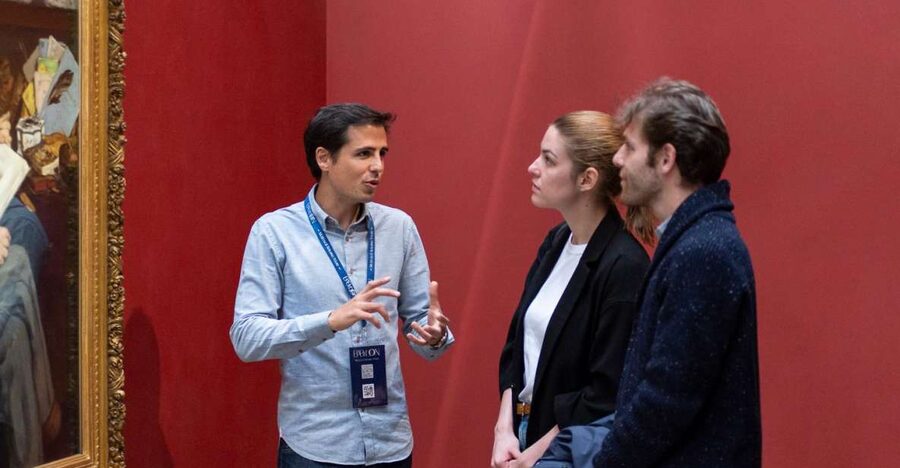
This tour is a strong match if you want:
- A guided path through two key DC museums without spending hours choosing what to see
- The story of American art from early photography and daguerreotypes through 20th-century social themes and into modern works
- Help reading art that can feel strange or symbolic, especially in the American Art Museum portion
It is also a good choice for first-time visitors who want high value per hour.
Who might want a different plan
If you need a wheelchair-accessible option, the information says it is not suitable for wheelchair users, though you can advise when booking if you require an accessible tour. I would treat that as a “confirm before you go” situation.
If you are the kind of person who wants to stare at one painting for 45 minutes, highlights might feel too short. And if temporary exhibits are your main goal, remember they are not included.
Should you book this tour?
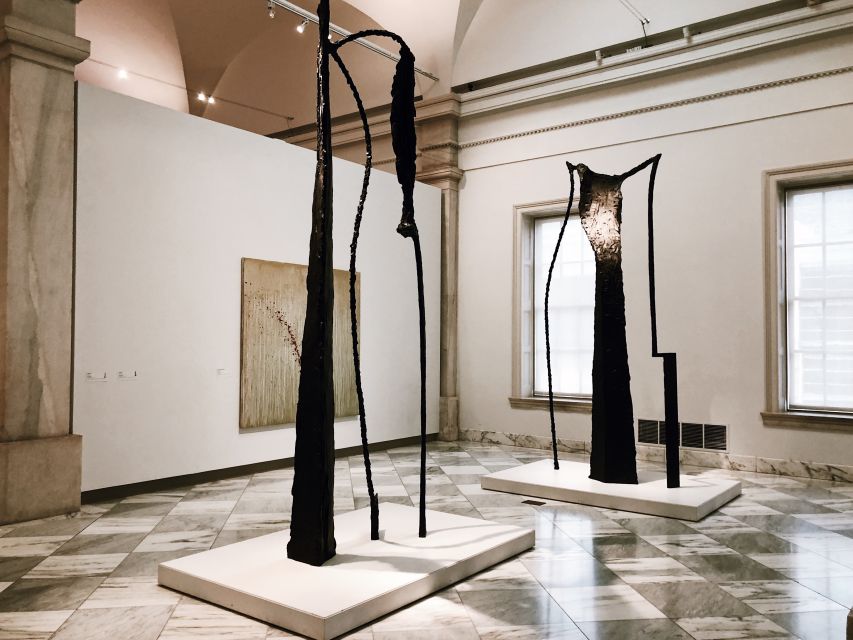
Yes, I think you should book it if you want a guided, focused introduction to American portraiture and American art in the same historic building. The combination works because the tour moves from identity in portraits to broader artistic expression, while still giving you context for moments like the Greensboro Lunch Counter.
The best reason to choose it is the guide quality. When the leadership is strong, the highlights format feels like you are getting the most meaningful parts without the overwhelm. Names like Leigh and Bess are tied to that kind of clear, engaging delivery.
Book it with light packing, comfortable shoes, and realistic expectations about walking and security. If that fits your style, this tour is a solid value at $86 for what you cover in 2.5 hours.
FAQ
How long is the National Portrait Gallery and American Art Museum guided tour?
The tour runs about 2 to 2.5 hours. Exact starting times depend on availability.
Where does the tour start?
The meeting point can vary depending on the option you book. The tour ends back at the meeting point.
Is the tour offered daily?
Yes, the tour is listed as available daily.
What language is the tour guide?
The tour guide speaks English.
What is included in the price?
The tour includes a professional art historian guide and the guided highlights experience.
Are temporary exhibits included?
No, temporary exhibits are not included.
Can I bring luggage or a large bag?
No. Luggage or large bags are not allowed. Only handbags or small thin bag packs are allowed through security.
What ID do I need to bring?
Bring a valid photo ID, such as a passport or ID card.
Is the tour wheelchair accessible?
The information says it is not suitable for wheelchair users. You can advise when booking if you require a wheelchair accessible tour, so confirm your needs ahead of time.
What happens if the museum opens late due to a closure?
If a museum opening is delayed more than 1 hour from the tour starting time, you will be provided with an appropriate alternative. In those cases, the supplier cannot provide refunds or discounts.
What is the cancellation policy and can I reserve without paying today?
Free cancellation is available up to 24 hours in advance for a full refund. You can also reserve now and pay later, meaning you pay nothing today.
More Tour Reviews in Washington Dc




More Smithsonian Mornings

More to book around Washington Dc
- The Public Group Scooter Tour of DC’s National Mall
★ 5.0 · 3 reviews - National Mall Highlights with Cherry Blossom & Arlington Cemetery
★ 3.5 · 3 reviews - Private Washington DC Monuments Day or Night Bike Tour
★ 5.0 · 3 reviews - Private Tour with US Capitol Or Archives Or Washington Monument
★ 3.5 · 3 reviews - Washington DC Private Guided Bus Day Tour with Step Off Guide
★ 5.0 · 3 reviews - 3-Hour Small Group Memorial Tour in Washington, D.C.
★ 4.0 · 3 reviews
Smithsonian & Washington Museum Tours, compared.
 ★ 5.0Smithsonian Museum of Natural History – Exclusive Guided TourFrom $89446 reviews
 ★ 5.0Smithsonian Museums Walking Tour with Reserved Air & Space EntryFrom $79297 reviews
 ★ 5.0Smithsonian Museum of American History Exclusive Guided TourFrom $89245 reviews
 ★ 4.5Museum of the Bible Admission Ticket233 reviews
 ★ 5.0The Smithsonian National Air & Space Museum Exclusive Guided TourFrom $89214 reviews
 ★ 5.0Smithsonian Museum of Natural History Small Group Tour: 8ppl MaxFrom $89177 reviews
 ★ 5.0The National Gallery of Art DC – Exclusive Guided Museum TourFrom $89166 reviews
 ★ 4.1Smithsonian National Museum of Natural History Guided TourFrom $75159 reviews
Browse the lists this tour appears in