
REVIEW · SMITHSONIAN & WASHINGTON MUSEUM TOURS
Guided Tour of The Natural History Museum
Step into DC’s Natural History Museum and let fossils explain everything. This 2.5-hour guided tour turns the museum’s biggest “wow” moments into a guided storyline, starting with the T. rex skeleton and moving through gems, fossils, and science you can feel with your hands. I love that the tour includes tactile moments (like touching an actual dinosaur bone), and I also like the mix of Earth topics, from minerals and space to ocean life. One thing to consider is that the touch-focused parts may be brief, so if you want slow, independent wandering, you might find the pacing a bit tight.
You’ll meet at the front entrance on Constitution Ave side at 900 Constitution Ave NW, then end back there. It’s a small group limited to 8 participants, led by a live English-speaking guide from Tours By JC, which usually makes it easier to ask questions and stay oriented in a big museum. The main drawback for some people is the price relative to a self-guided museum visit, but the hands-on moments and guided flow are what you’re paying for.
Key Points Worth Noticing
- Small group of 8 means you get more attention and less waiting around.
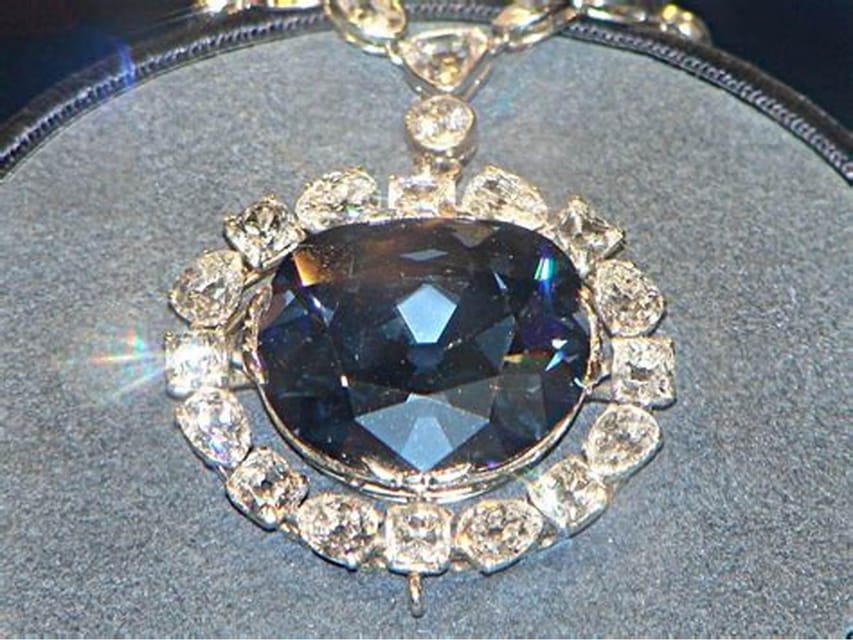
- Hope Diamond story includes the famed cursed history and context for why the gem matters.
- Touch time is real: you can touch an actual dinosaur bone.
- Space meets science with a chance to touch a piece of Mars.
- Big highlights stay organized with a guide helping you connect exhibits instead of just hopping randomly.
Still museum weather? More Smithsonian runs
First Steps at 900 Constitution Ave NW, Where the Tour Starts
This tour starts at the front entrance of the Natural History Museum on the Constitution Ave side, at 900 Constitution Ave NW. That detail matters because this museum is massive, and arriving with a plan helps you avoid that first-10-minutes drift.
You’ll walk in with your group and your guide, then move straight into the museum’s core exhibits. After the 2.5-hour visit, the tour ends back at the same meeting point, which makes it simple to continue your day in DC without complicated transit logistics.
A 2.5-Hour Natural History Hit, Small Group Style
At 2.5 hours, this is not a “see everything” marathon. It’s designed to hit major highlights and still leave you with enough time to understand what you’re looking at, instead of just snapping photos and hoping it adds up.
The small group size, limited to 8 participants, is a big part of the value. In a museum this large, fewer people makes it easier to hear the guide and ask quick questions, especially when you’re near popular display areas.
Also, the tour is wheelchair accessible. If you’re planning around mobility needs, it’s helpful that the activity specifically mentions accessibility as part of the offering, not as an afterthought.
From the T. rex Sentinel to a Museum Timeline You Can Follow
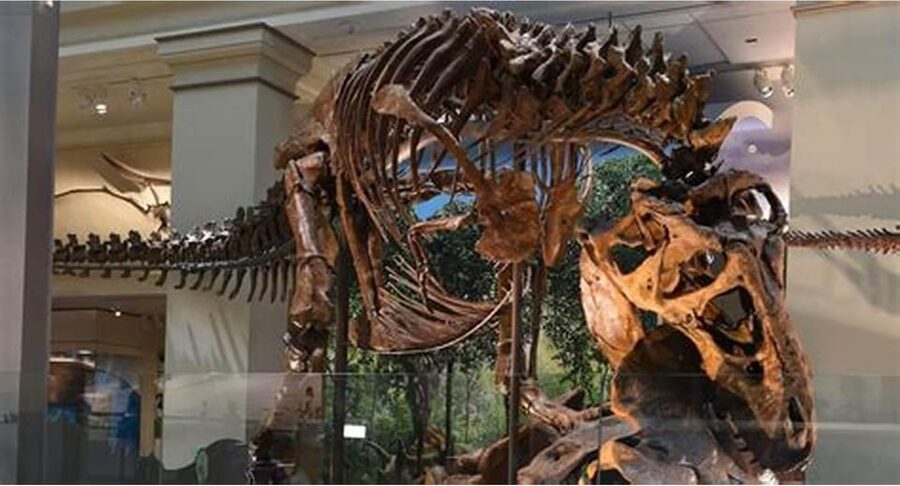
One of the smartest ways to experience this museum is to use the guide as your “timeline maker.” The tour begins with one of the museum’s instant attention magnets: the towering skeleton of a Tyrannosaurus Rex. That opening works because it anchors you in deep time right away, before you start branching into gems, oceans, and life cycles.
From there, you’ll move through Earth-focused exhibits that connect the dots between geology, evolution, and ecology. The experience includes chances to marvel at details like a butterfly wing, plus larger-scale displays like a blue whale suspended from the ceiling.
The guide’s job, from what you can expect, is to keep these stops from feeling random. You’re not just collecting highlights, you’re building a quick mental map of how scientists explain life on Earth, from ancient fossils to present-day ecosystems.
Other days out with someone who knows
- Washington DC in One Day: Guided Sightseeing Tour★ 4.5 · 3,360 reviews
- Washington DC “See the City” Guided Sightseeing Segway Tour★ 5.0 · 1,924 reviews
- See DC In A Day: Guided Small Group Ultimate Day Tour★ 5.0 · 1,257 reviews
- Guided African American History Tour with Reserved Museum Entry★ 4.5 · 1,180 reviews
- Washington DC Sites at Night Guided Bicycle Tour★ 4.5 · 536 reviews
The main benefit of this flow
You get a structured path through the museum’s most famous areas without needing to study a layout beforehand. For first-timers, that alone can save time and reduce stress.
The possible downside
If you’re the type who likes to linger, read every label, and follow your curiosity at your own speed, you may need to accept a “hit the highlights first” approach. This tour is built for focus, not for exhaustive browsing.
The Hope Diamond, and Why the Cursed Story Hooks People
A big highlight on this tour is learning the cursed history of the Hope Diamond. Even if you think you already know the basic legend, a guided take is useful because it frames what you’re seeing in a human story, not just a mineral display.
This kind of exhibit works for a reason. Diamonds are science, but they also turn into culture fast, because gemstones bring people together through power, wealth, myth, and mystery. A guide helps you separate what’s dramatic storytelling from what’s actually meaningful about the gem itself.
You’ll also see items described as insets from all over the world. That detail matters because it hints that the museum isn’t only showing one isolated gem or fossil. It’s presenting how Earth materials connect across regions and collections, so you start thinking about origins and movement, not just display cases.
Hands-On Learning: Touch an Actual Dinosaur Bone
One of the most memorable elements is the chance to touch an actual dinosaur bone. Not everyone gets the opportunity to feel real fossil material as part of a museum visit, and that physical contact changes how the display lands in your mind.
Here’s what you can take away from that experience, even if you’re not a geology or paleontology expert. When you touch something that once was part of a living creature, your brain stops treating dinosaurs like characters in a story and starts treating them like real organisms with real anatomy.
Just keep expectations realistic. Touch exhibits are often carefully controlled, so you may be guided through a specific moment rather than having long free-form time. That’s normal and part of why it feels special.
Touch a Piece of Mars, and Make Space Feel Physical
The tour also includes a chance to touch a piece of Mars. That’s not a typical museum moment, and it’s a strong reason this tour is worth paying for, especially compared to a standard ticket where you mostly look at displays behind glass.
What’s valuable here is the connection between space and Earth science. You’re touching a piece of something that came from another planet, which gives the museum’s themes a hands-on reality check. It’s one thing to read about meteorites or planetary materials, and another to physically connect with a tangible sample.
If you like science that feels practical and immediate, this is the kind of stop that can shift your whole visit from entertainment to understanding.
Ocean Life, Coral Reefs, and Mysterious Deep-Sea Creatures
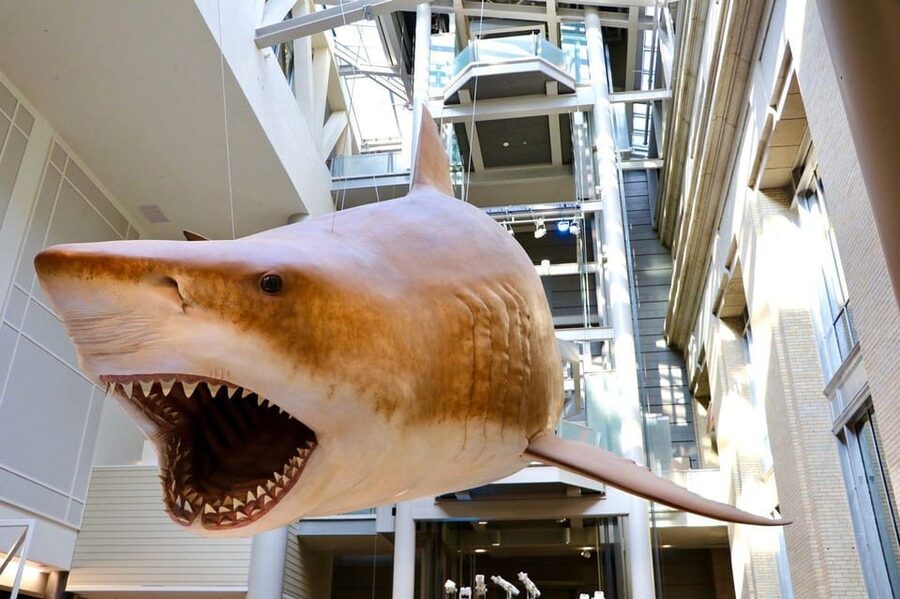
The tour doesn’t stay only on land or only in the fossil record. You’ll also cover ocean exhibits, including vibrant coral reefs and mysterious deep-sea creatures.
This portion of the experience is especially useful because it supports a theme. Evolution and ecology aren’t just about dinosaurs and ancient life. They’re also about how ecosystems function today, including how species adapt to conditions you can’t even fully observe without scientific tools.
A guide helps you notice the patterns rather than just admire the shapes. Even at a high level, you’ll likely come away thinking differently about what makes a habitat work, why certain life forms thrive in specific conditions, and how ocean systems connect to the larger Earth system.
Butterflies and Metamorphosis: Small Details, Big Science
You’ll see intricate displays connected to a butterfly’s wing and the process of metamorphosis. This isn’t just cute insect content. In a good museum setup, butterfly displays are a gateway to understanding development, adaptation, and how form relates to function.
A guided experience helps you focus on what matters in the details. When you see a wing up close, you start asking practical questions like how structures contribute to color and survival. When you see metamorphosis steps, you connect the life cycle to evolution rather than treating it like a natural-history postcard.
If you’re visiting with kids, this is often a crowd-pleaser because it gives them a clear visual story. If you’re an adult, it can still scratch that “wait, that’s how it works?” itch that keeps museum visits from becoming passive.
Elephants and Ecology Moments, How the Tour Builds Links
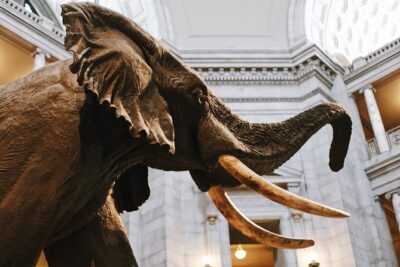
You’ll also encounter displays connected to elephants, plus other life-on-Earth scenes across the museum. That variety might sound like random hopping, but it works when your guide is framing the why.
The museum’s strength is that it covers Earth science from multiple angles. Elephants fit into that because they represent living ecosystems and behavior, while fossils and gems represent the long timescale story of Earth materials and past life. Put together, it nudges you toward a bigger idea: the present is connected to the past.
If you want a museum day that feels like a conversation instead of a checklist, a guided flow like this tends to help you remember more.
Why the Ceiling-Level Blue Whale Moment Matters
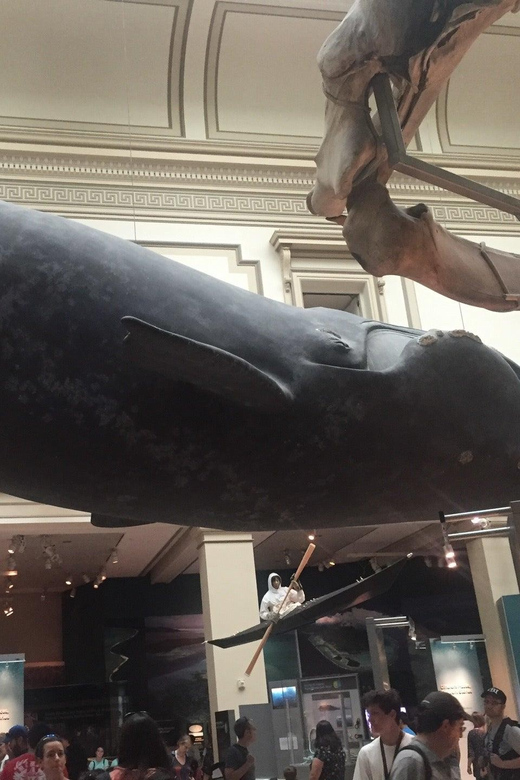
One of the most striking parts described is standing beneath a colossal blue whale suspended from the ceiling. That’s a classic “stop and stare” exhibit, but in a guided tour, it becomes more than a photo op.
Seeing something that large from below changes your sense of scale. A guide can help you interpret what you’re looking at, so the whale becomes part of Earth history and ecology instead of just an impressive installation.
This stop is also useful if you’re short on time. In the time it would take to wander and find the best-known exhibits on your own, a guide helps you hit a few crown-jewel moments while still keeping the science thread going.
Price and Value: Is $72 Worth It for This 2.5-Hour Tour?
At $72 per person, this is not a “budget” museum add-on. The value question comes down to what you get that you cannot easily recreate on your own.
In this case, you’re paying for three big value drivers:
- A live guide in English, so you’re not guessing what labels mean.
- A small group limited to 8, so the experience feels organized and interactive.
- Hands-on moments, including touching an actual dinosaur bone and touching a piece of Mars.
If you’re the kind of person who likes museums but struggles to prioritize, the guided structure is worth something. It also helps if you’re traveling with family or friends who want a memorable, organized experience rather than a long solo maze through galleries.
If you enjoy reading at your own pace and you don’t need interactive moments, you might decide the cost is harder to justify. But for hands-on science and a guided storyline in a museum this large, the price starts to feel more reasonable.
Who This Tour Suits Best
This tour is a strong fit if you want a guided path through major exhibits in a short window. It’s also a good choice if you want science moments you can physically experience, not just view behind glass.
I’d especially recommend it for:
- First-time visitors to the museum who want the highlight route with context.
- Families who will enjoy touch-based learning moments.
- People who like Earth science themes that connect geology, evolution, and ecology.
If you already know exactly what you want to see and you prefer quiet, slow exploring, you might be happier with self-guided museum time. This tour is structured, and that can feel like a limitation if you love to wander.
Should You Book This Natural History Museum Guided Tour?
Book this tour if you want a focused, high-impact visit that includes touch experiences plus a guided explanation of big-name exhibits like the Hope Diamond. For $72, you’re really buying the “guided plus interactive” combo, not just access to the museum.
Skip it if you plan to spend the day doing deep reading, personal photo walks, and slow comparison across every gallery. This is designed for highlights and story, in 2.5 hours.
FAQ
How long is the guided tour?
It runs for 2.5 hours.
How much does the tour cost?
The price is $72 per person.
Where do I meet the guide?
Meet at the front entrance of the Natural History Museum on the Constitution Ave side at 900 Constitution Ave NW.
Is the tour wheelchair accessible?
Yes, it is wheelchair accessible.
What group size should I expect?
The group is limited to 8 participants.
What language is the guide?
The live tour guide speaks English.
What does the tour include?
It includes fees for guided services.
Where does the tour end?
The activity ends back at the meeting point.
What are the cancellation terms?
Free cancellation is available up to 24 hours in advance for a full refund.
More Tour Reviews in Washington Dc





More Smithsonian Mornings





More to book around Washington Dc
- The Public Group Scooter Tour of DC’s National Mall
★ 5.0 · 3 reviews - National Mall Highlights with Cherry Blossom & Arlington Cemetery
★ 3.5 · 3 reviews - Private Washington DC Monuments Day or Night Bike Tour
★ 5.0 · 3 reviews - Private Tour with US Capitol Or Archives Or Washington Monument
★ 3.5 · 3 reviews - Washington DC Private Guided Bus Day Tour with Step Off Guide
★ 5.0 · 3 reviews - 3-Hour Small Group Memorial Tour in Washington, D.C.
★ 4.0 · 3 reviews
Smithsonian & Washington Museum Tours, compared.
 ★ 5.0Smithsonian Museum of Natural History – Exclusive Guided TourFrom $89446 reviews
 ★ 5.0Smithsonian Museums Walking Tour with Reserved Air & Space EntryFrom $79297 reviews
 ★ 5.0Smithsonian Museum of American History Exclusive Guided TourFrom $89245 reviews
 ★ 4.5Museum of the Bible Admission Ticket233 reviews
 ★ 5.0The Smithsonian National Air & Space Museum Exclusive Guided TourFrom $89214 reviews
 ★ 5.0Smithsonian Museum of Natural History Small Group Tour: 8ppl MaxFrom $89177 reviews
 ★ 5.0The National Gallery of Art DC – Exclusive Guided Museum TourFrom $89166 reviews
 ★ 4.1Smithsonian National Museum of Natural History Guided TourFrom $75159 reviews
Browse the lists this tour appears in