
REVIEW · BALTIMORE TOURS & CRUISES
Baltimore: Museum of Industry Admission Ticket
Time for tech history in Baltimore. The Baltimore Museum of Industry is a hands-on industrial time machine, where you can explore real artifacts and try interactive bits instead of just reading labels. From early port life to everyday gadgets, it helps you see how communications and manufacturing shaped the city.
What I like most is the mix of old tech you can actually operate and the way the museum connects it to Baltimore’s waterfront. I also loved how the displays jump from one theme to another without feeling random, like moving from the print world to shipping and back again.
One heads-up: if you want to see everything at a relaxed pace, plan on 2 to 3 hours. Short stopovers can feel rushed because there is a lot in here.
Key highlights worth planning for
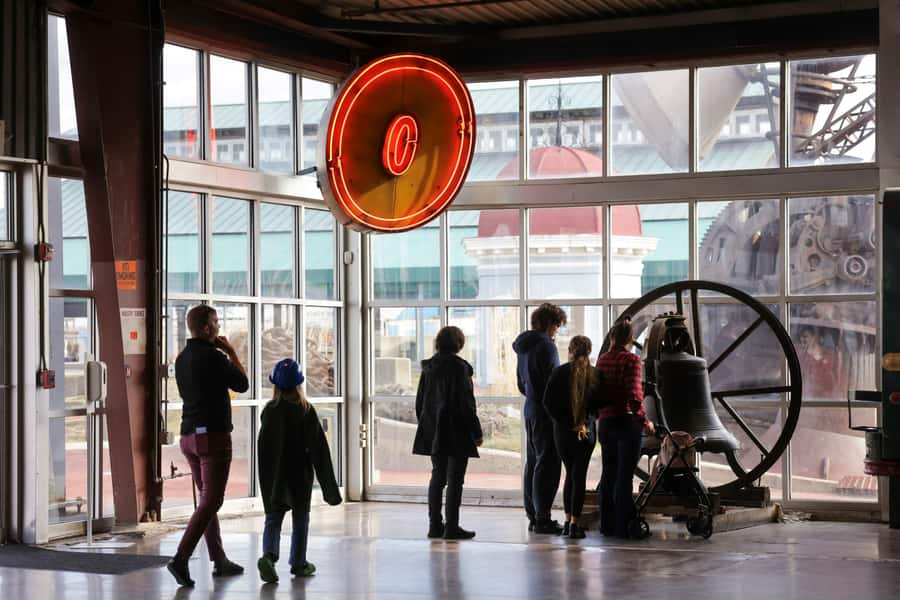
- Decker Gallery harbor views with floor-to-ceiling windows and the Mini Mariner overhead
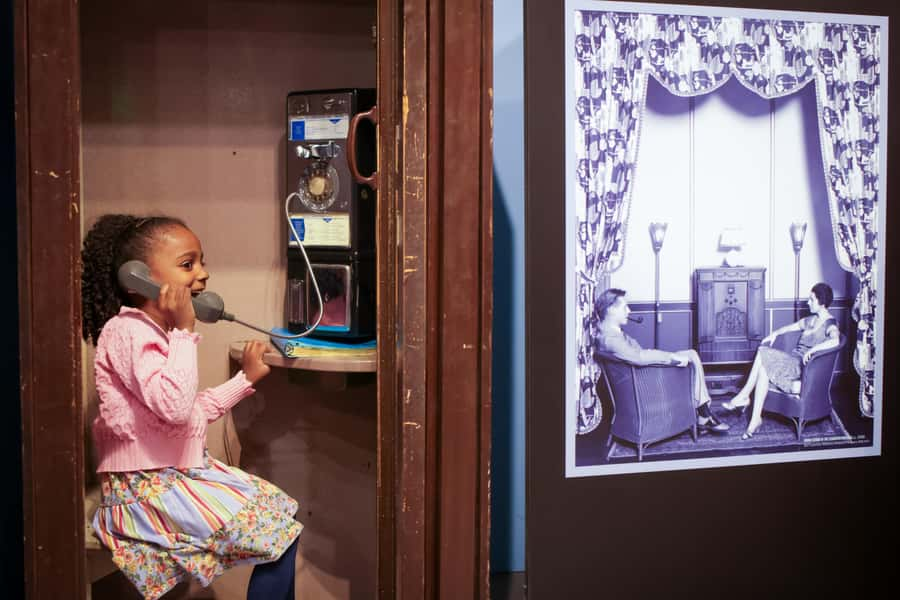
- Interactive communications from carrier pigeons to telegraphs and old pay phones
- Print shop tech tied to a watch-maker invention that changed the industry
- Hands-on history stations like the crank display for gasoline prices at different times
- Food, spice, and steel details including Chesapeake Bay oyster timing and Old Bay creator Gustav Brun
An hour up the parkway, there is more
Price and what $14 buys you in Baltimore

The ticket is $14 per person, which is a pretty solid deal for a museum visit that includes admission plus optional add-on formats once you’re inside. You can go with a guided tour, an audio tour, or explore on your own. That flexibility matters, especially if you’re traveling with kids, grandparents, or someone who learns better by listening versus wandering.
You’re also getting free onsite parking, which can quietly save you money in a city day. And because the ticket is valid for one month, you can pick the day that actually fits your schedule, not the other way around.
If your goal is a quick hit of industrial history, this still works. But if you’re a slow reader and you like hands-on stations, you’ll want the time.
Entering the Decker Gallery for harbor views and the Mini Mariner
Start with the Decker Gallery. The big draw is the view: floor-to-ceiling windows look out over the harbor, so your visit doesn’t stay stuck in old objects behind glass. You get a feel for how port work shaped the whole city, not just the machines.
Then look up. A Mini Mariner is suspended overhead. It’s one of those details that makes kids point and adults smile, because it breaks the strict museum vibe. The room’s layout also helps you orient fast, like you’re stepping into the museum from a working waterfront.
Practical tip: give yourself a minute at the windows before you plunge into hands-on rooms. The harbor view gives context, and suddenly the old communications and manufacturing displays make more sense.
Communications that go from carrier pigeons to telegraph machines
One of the most fun parts of this museum is the communications path. You can learn how messages moved before everyone had a smartphone. That includes carrier pigeons, telegraph-style tools, and old telephone designs.
As you move through the exhibits, you’ll also run into the kind of trivia that makes history stick. You’ll see why letters are called uppercase and lowercase, and you’ll learn about what the first telegraph message said. Small facts like this are exactly what make a museum feel alive, not like a checklist.
And yes, there are interactive moments. Tap your name out on a telegraph machine style display, and you’ll understand more than you would from a paragraph. It’s the difference between reading that people had to operate equipment carefully versus actually doing it with your own hands.
If you like tech history, this section is a strong anchor. If you’re traveling with kids, it can also be a magnet, because kids can participate right away.
Other entry tickets worth holding
- Baltimore: Ravens Football Game Ticket at M&T Bank Stadium★ 5.0 · 4 reviews
The print shop machine that shifted the industry
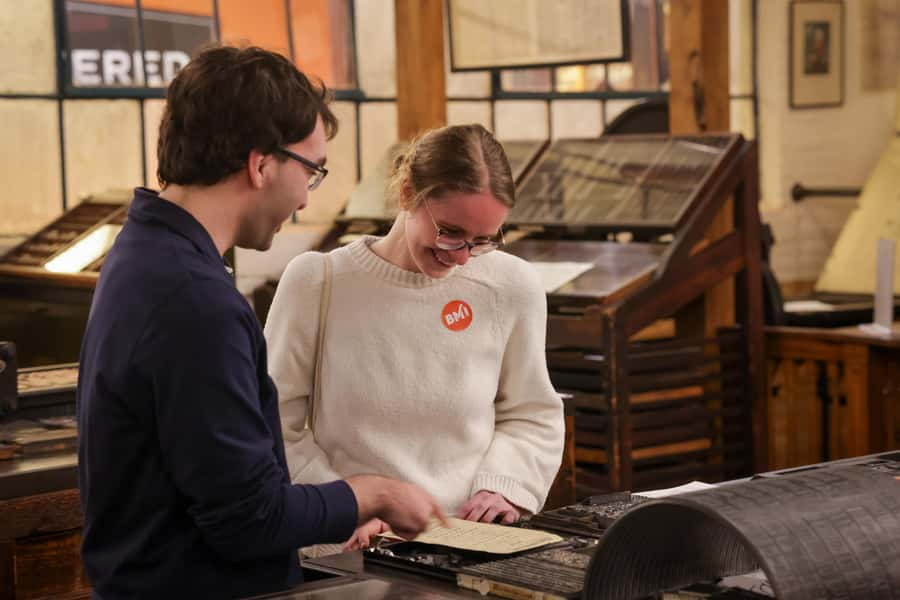
The print world here is more than old presses behind glass. You’ll encounter a machine invented by a watch-maker that changed the print industry. That idea alone is fascinating because it links two worlds: precision craft and mass communication.
You’ll also find yourself thinking about speed. Printing wasn’t just about making books. It shaped newspapers, advertisements, instructions, and public life. Once you see the machinery, you get why the invention mattered for everyday information.
If you choose a guided tour, ask about the print shop experience. A guided format tends to help you notice details you might otherwise miss, like how the process connects to the end result you can recognize.
For solo visitors, take your time with the stations. Read what the labels say, then watch how the mechanism works. Even when you do not operate every part, the physical logic is easy to understand once you see it moving.
The crank display for gasoline prices through history
Another standout interactive experience is the gasoline station history display. You can move a crank to see gasoline prices across different times in history.
This is one of those exhibits that feels small but lands big, because prices turn abstract economic history into something you can picture. You’ll connect inflation, supply, and changing daily life to a product people used constantly. It also makes a good conversation piece with teenagers, since they’ll compare it to today without needing a lecture.
Tip: when you try it, pause a moment after you turn the crank. Take in the number, then look around to see how the museum ties the exhibit to the broader industrial story.
Chesapeake Bay oysters, plus the practical science of harvest timing
The museum also tackles Baltimore-area food history in a clever way. You’ll find out what months were safe to harvest Chesapeake Bay oysters.
This is practical history, not just nostalgia. It reminds you that port cities are about food supply chains, weather patterns, and knowing the land and water. It also adds variety so the visit does not feel like only one industrial theme on repeat.
If you like local culture, you’ll appreciate that the museum brings in maritime realities. The oyster timing exhibit is the kind of detail that makes people remember the visit long after they forget a random museum artifact.
Period rooms: a 1920s pharmacy and a mid-century gas station feel real
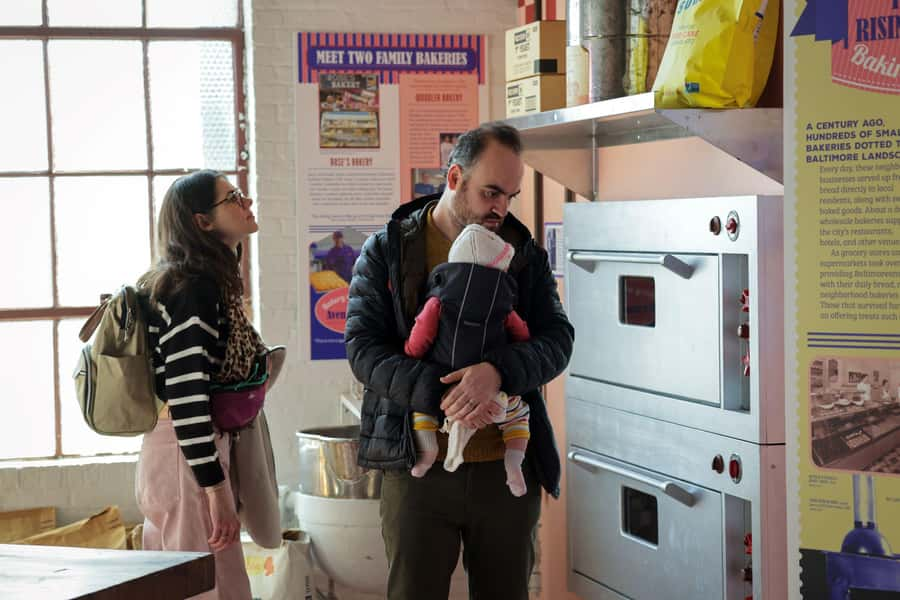
You don’t just see objects here. You get to step into the look and feel of earlier everyday places, including a 1920s pharmacy and a mid-century gas station.
These room-style exhibits help you picture how people actually lived. A pharmacy tells you about common products, packaging styles, and how medicine and consumer goods were presented. A gas station tells you about motoring culture and what drivers expected from fueling stations in that era.
Practical takeaway: if you’re the kind of traveler who loves setting details, rooms like these are worth slowing down for. Even quick glances help you understand the industrial displays as part of normal life, not isolated history.
Trying a 1953 Packard, old-world controls and design
One of the more memorable moments is the 1953 Packard that you can take for a spin. Even if you keep it brief, it’s a big shift from reading about transportation history to experiencing the vibe of a different era.
Cars also connect the dots. Gasoline prices, the design of fueling stations, and how people traveled all support each other across the museum. A lot of museums show transportation as a separate category. Here, it plays well with the rest of the industrial story.
If you’re visiting with kids, this is a good moment to hit your energy reset. If you’re visiting with adults, it can become a photo moment, but it also teaches you how equipment design reflects the time when it was built.
Steel manufacturing details and those huge wooden shoe protectors
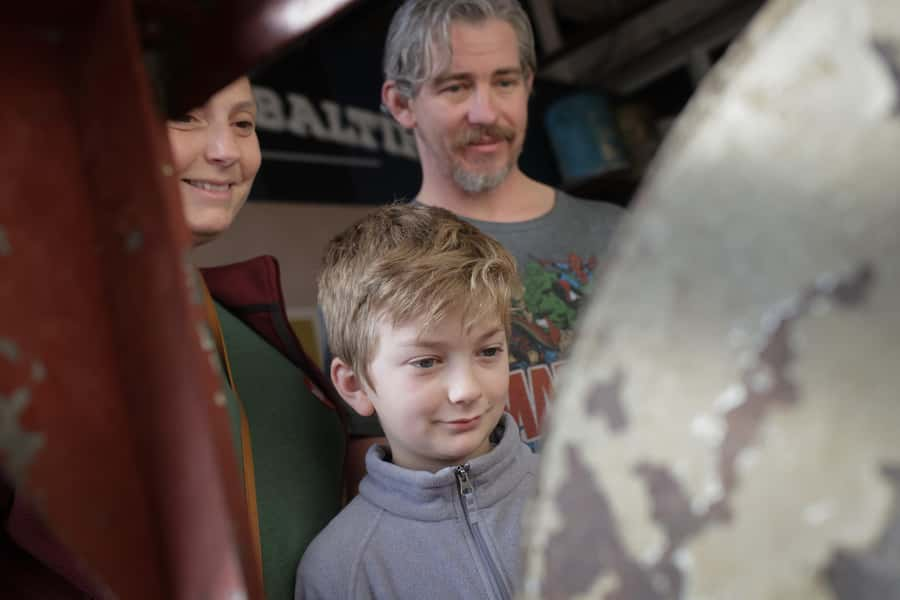
Steel making is a major theme, and the museum gives you the tools to picture the work. You’ll even see huge wooden shoe protectors that were used when making steel.
That detail matters because it grounds the idea of heavy industry in daily protection and real labor. You can almost feel the weight and routine of the job. It also keeps the exhibits from feeling too abstract. Instead of just talking about steel, it shows the equipment and precautions people used.
If you like industrial craftsmanship, this section can become your favorite. If you’re traveling with younger kids, it can be a visual wow moment, since the protectors look bigger than what you might expect.
The spice story from Gustav Brun and Old Bay in Baltimore
Baltimore has one iconic seasoning, and the museum ties it to a real person: Gustav Brun, a German-Jewish immigrant who created it when he arrived in Baltimore. This part of the visit gives you a different angle on industry.
Spices may not sound like industrial history, but think about it. Processing, supply chains, labeling, and distribution are all part of turning a product into something people recognize. It’s a reminder that industry is also about food culture and local identity.
If you like food history, this stop makes the whole museum feel more personal. It’s not only about factories. It’s about what people cooked, shared, and sold.
Touchable stations for kids, and why PLEASE TOUCH matters
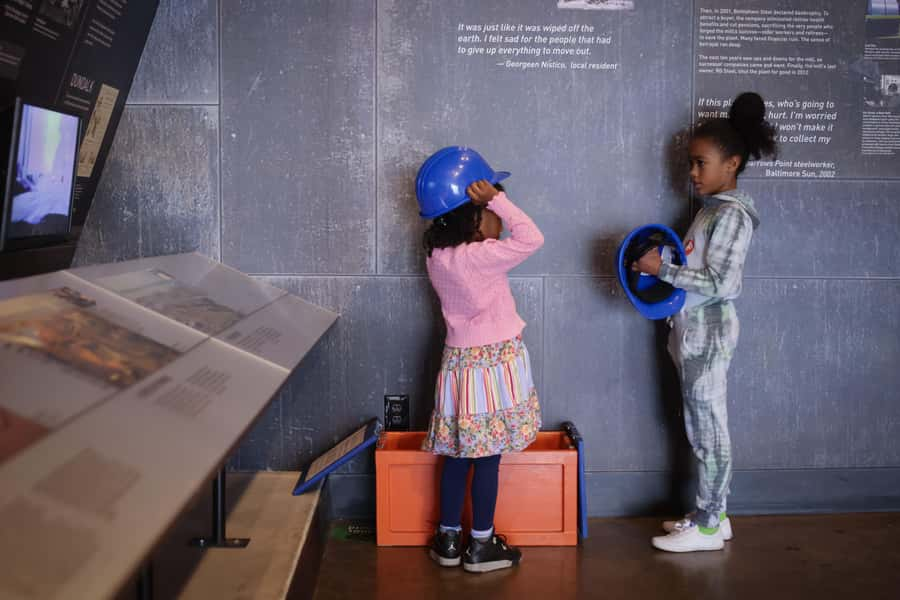
The museum is built to work for young visitors. Galleries feature real historic artifacts and colorful wooden boxes marked PLEASE TOUCH so children can explore through hands-on play.
That is a big deal for families. Instead of telling kids to stay behind the line, the museum gives them a path to participate. It also keeps you from doing the constant balancing act of rushing adults along while finding ways to entertain kids quietly.
Even if you travel solo, touch-based learning is part of what makes this place memorable. Interactivity turns museum time into active time.
A smart move with families: let kids lead for the first part of the visit. Once they’ve burned off energy on interactive stations, adults can guide the rest with more calm.
Guided tour vs audio vs self-guided, and how to pick
You’ve got three ways to experience the museum once you arrive: guided tour, audio tour, or explore on your own. Here is the simple way to choose.
Choose a guided tour if you want context. Guides tend to connect the dots across sections, and the print shop experience is a great example of something that benefits from explanation.
Choose audio if you like moving at your pace but still want background. It’s often the best middle option for couples, teens, or anyone who hates missing details but still wants freedom.
Choose self-guided if you already know what you’re into, like telegraph-style tech or industrial rooms. It’s also great if you have a tight schedule, because you can skip sections and focus on the interactive highlights.
My practical advice: if you’re not sure, go guided for one major theme like communications or print, then switch to self-guided for the rest. That gives you both meaning and freedom.
How long to plan, and how not to feel rushed
The exhibits cover a lot of ground, and the interactive elements take real time. I’d plan 2 to 3 hours if you want to browse comfortably and actually try the hands-on stations.
If you’re short on time, prioritize the sections that match your interests:
- If you love tech, hit communications and printing first.
- If you love everyday design, start with the pharmacy, gas station, and car.
- If you love local Baltimore stories, look for the oyster timing and Gustav Brun spice connection.
Also, leave a little buffer. Museums like this can surprise you with how long a single interactive station holds your attention.
Practical notes so you show up ready
This is a straightforward museum visit, but do keep the basics in mind:
- The museum is wheelchair accessible.
- Weapons or sharp objects are not allowed.
- Some ticketed events are not included in regular admission, so if you see a special event listed, confirm it before you count on it.
If you’re coming with a group, the on-site parking helps reduce the usual friction. And the host or greeter supports English and Spanish, which makes arrival smoother for families and language learners.
Who will enjoy the Baltimore Museum of Industry most
This is a great match if you like:
- Hands-on learning that does not rely only on reading
- Industrial and port-city history with local Baltimore details
- Tech history you can try, like telegraph-style inputs and crank-powered displays
- Family-friendly museum time with a clear kid play path
It may be less perfect if you want a very modern, blockbuster-style museum with lots of art collections or rotating exhibits. This one is more focused, more hands-on, and more about how things worked and how people made a living.
Should you book this $14 admission ticket?
If you want a value-packed museum day in Baltimore with real artifacts and interactive stations, yes, book it. The $14 price makes the risk low, and the freedom to choose guided, audio, or self-guided formats means you can shape the visit to your style.
I’d especially recommend it to families and to anyone curious about how communication, printing, transportation, and even spices connect to a working port city. It’s the kind of place where you leave with a few facts you didn’t know and a few hands-on moments you remember.
FAQ
How much is the Baltimore Museum of Industry admission ticket?
The price is $14 per person.
How long is the ticket valid?
The ticket is valid for one month.
What choices do I have once I arrive?
You can choose a guided tour, an audio tour, or explore the museum on your own.
Does the ticket include parking?
Yes, there is free onsite parking.
What languages are supported by the host or greeter?
English and Spanish.
Is the museum wheelchair accessible?
Yes, it is wheelchair accessible.
What is included in regular admission?
Admission to the museum, plus the choice of guided tour or audio tour or self-exploration.
What is not included with regular admission?
Some ticketed events are not included with regular admission.
Is free cancellation available?
Yes, you can cancel up to 24 hours in advance for a full refund.
More Tour Reviews in Baltimore





Baltimore, Beyond the Harbour
More to book around Baltimore
- Private Arrival Transfer from Baltimore Washington Airport BWI
★ 3.5 · 11 reviews - Luxury Gnocchi Making Class in Baltimore (Includes 3-Course Meal)
★ 4.5 · 4 reviews - NEON Starry Night Sip and Paint Experience
★ 5.0 · 4 reviews - Outdoor Escape Room in Baltimore – the Inner Harbor
★ 4.5 · 10 reviews - Baltimore Monuments Walking Tour
★ 4.0 · 9 reviews - Baltimore’s Private Cultural Tour
★ 5.0 · 10 reviews
Baltimore Tours & Cruises, compared.
 ★ 4.0City Cruises Baltimore: Signature Dinner CruiseFrom $94502 reviews
 ★ 4.5Baltimore’s Historical Sightseeing TourFrom $44437 reviews
 ★ 4.3City Cruises Baltimore: Brunch, Lunch, or Dinner CruiseFrom $75248 reviews
 ★ 5.0Baltimore Walking Foodie Tour in Fells PointFrom $104182 reviews
 ★ 4.5Baltimore Bewitched: Raven’s Revenge, Bones & Ballads Ghost TourFrom $32156 reviews
 ★ 4.2City Cruises Baltimore: Dinner & Dance Harbor CruiseFrom $112150 reviews
 ★ 5.0Fells Point Food Tour in BaltimoreFrom $78140 reviews
 ★ 4.0City Cruises Baltimore: Signature Lunch CruiseFrom $88123 reviews
Browse the lists this tour appears in